
Low cost used sports cars are often considered by overseas buyers seeking a lower purchase price than a comparable European or Japanese vehicle. However, the economics of importing a used vehicle depend on more than its advertised price. Mileage accuracy, accident history, mechanical condition, export documentation and destination-country regulations all affect the final cost and the risk of a transaction. For buyers in Ghana, Nigeria, Kenya, Uganda and Tanzania, these checks are particularly important when purchasing from China.
West African Demand and the Changing Used Vehicle Market
Demand for Chinese used vehicles in African markets is increasingly shaped by purchase budgets, maintenance costs and the availability of replacement parts. European and Japanese brands remain familiar choices in Ghana and Nigeria, partly because local mechanics have experience with established models. Chinese vehicles are gaining attention as buyers compare newer equipment, cabin space and purchase costs against older alternatives in similar price categories. This shift is gradual rather than uniform. Brand familiarity and access to servicing still influence purchasing decisions.
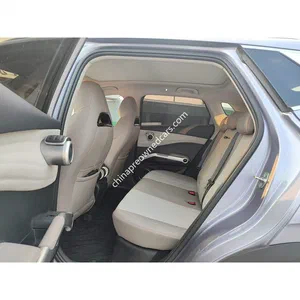
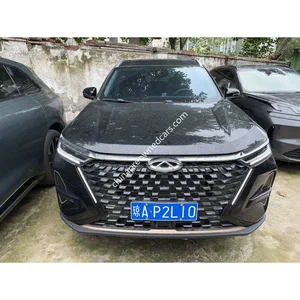
Although the search for low cost used sports cars often focuses on performance vehicles, the Chinese export market offers a different range of practical options. Models such as the BYD Atto 3, Chery Tiggo 7 Plus, Chery Tiggo 8 Pro, Geely Coolray and Haval H6 appeal to buyers considering SUVs rather than conventional sports coupes. Their positioning varies by powertrain, equipment and vehicle age. The BYD Atto 3 attracts interest from buyers evaluating electric mobility, while the Chery and Haval models provide conventional SUV alternatives. The Geely Coolray targets buyers who prefer a smaller SUV. Actual demand depends on local purchasing power and the availability of compatible servicing.
Price comparisons require a landed-cost calculation. A lower purchase price in China does not automatically translate into a cheaper vehicle after shipping, insurance, customs charges, port handling and local registration. Japanese and European used vehicles may have a stronger resale history in some African markets, while Chinese models can offer newer production years or different equipment at comparable purchase budgets. Buyers should compare vehicles with similar condition, mileage, specifications and ownership costs. Import duties and other charges must be checked against current destination-country rules rather than estimated from another market’s experience.
Vehicle Verification Before Payment
Mileage is one of the first details to investigate, but the odometer reading should never be treated as independent proof of vehicle condition. Request available service records, maintenance invoices and previous inspection documents. Compare recorded mileage with maintenance dates, tyre wear, steering-wheel condition, seat wear and other signs of use. Gaps in the service history should be explained before payment. A low-mileage vehicle with incomplete records may carry more uncertainty than a higher-mileage example with consistent documentation.
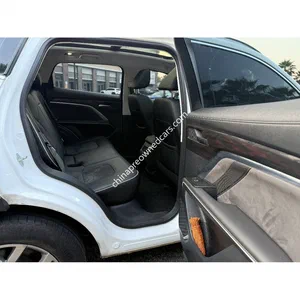
Accident history requires a separate assessment. Buyers should request clear photographs of the exterior, interior, engine compartment, chassis areas and underbody. An independent pre-shipment inspection should examine structural repairs, paint differences, panel alignment, suspension components, fluid leaks and warning lights. The inspection report should identify observed defects rather than simply describe the vehicle as being in good condition. VIN verification is equally important. Check that the vehicle identification number on the body, identification plate and registration or ownership documents matches. Any inconsistency should be resolved before the transaction proceeds.
Electric vehicles require additional checks. For a BYD Atto 3, buyers should request a battery state-of-health assessment where available, together with information about charging performance, battery warnings and repair history. Battery capacity and usable driving range can change with age, charging patterns and operating conditions. A dashboard range estimate alone does not establish battery health. Charging compatibility also matters. Buyers should confirm connector compatibility, charging equipment availability and the practicality of local charging infrastructure. Battery transport requirements may affect shipping arrangements, so the exporter and shipping provider should confirm the applicable procedures before loading.
Exporter Credibility, Documentation and Payment Risks

Exporter selection is a separate part of vehicle assessment. A credible supplier should be able to explain where the vehicle was sourced, how its condition was checked and which documents will be provided before shipment. Buyers should request the inspection report, vehicle identification details, purchase or ownership documentation, export license information and a written pro forma invoice. China’s used vehicle export process requires appropriate export licensing, customs declaration and pre-shipment inspection. Customs clearance paperwork should also be available as the export process advances. Document names and requirements can vary with the transaction and destination.
Payment terms deserve the same attention as vehicle condition. International used vehicle transactions commonly use a deposit followed by a balance payment at an agreed milestone, such as completion of inspection or confirmation of shipping arrangements. The exact structure should be written into the sales agreement. It should identify the vehicle, agreed specification, payment schedule, responsibility for charges and procedures if the inspection identifies material discrepancies. Buyers should verify the receiving company’s legal identity and bank account details independently. Payments to unrelated personal accounts, unexplained changes in banking instructions and pressure to transfer funds before receiving vehicle records are warning signs.
Shipping arrangements also affect the final purchasing decision. Roll-on/roll-off (RoRo) shipping is generally suitable for operational vehicles that can be driven onto and off the vessel. Container shipping provides an enclosed transport option and may suit vehicles requiring additional protection or consolidated cargo arrangements. Both methods have different costs, handling procedures and scheduling considerations. Buyers should obtain a written shipping quotation that identifies the destination port, freight charges, insurance arrangements and port-related costs. Shipping lead times depend on vessel schedules, export processing and destination clearance. They should not be treated as fixed delivery guarantees.
Import requirements must be checked before a purchase is finalized. Ghana, Nigeria, Kenya, Uganda and Tanzania each apply their own rules concerning vehicle age, emissions, roadworthiness, import documentation and taxation. Most Chinese domestic-market vehicles are left-hand drive, which makes drive-side compatibility especially important. Buyers should confirm whether the intended vehicle configuration is permitted for registration and road use in their destination. An exporter can coordinate inspection, documentation and shipping, but local import eligibility and customs obligations must be confirmed with the relevant authorities or a licensed clearing agent. After-sales support should also be discussed before payment, including access to diagnostic information, parts sourcing and assistance with shipping or documentation disputes.
FAQ
Q: What should buyers check before purchasing a used vehicle from China?
A: Verify mileage against service records, inspect accident and repair history, confirm VIN consistency and request an independent inspection report. Electric vehicles also require a battery health assessment where available.
Q: Are Chinese used SUVs suitable for Ghana and Nigeria?
A: Models such as the Haval H6, Geely Coolray and Chery Tiggo 7 Plus may suit buyers seeking SUV alternatives, but suitability depends on servicing access, parts availability, vehicle specifications and current import regulations.
Q: What documents should an overseas buyer request before shipment?
A: Request the inspection report, vehicle identification details, export license information, sales invoice and relevant ownership documents. Customs declaration and clearance paperwork should be confirmed as the export process progresses.