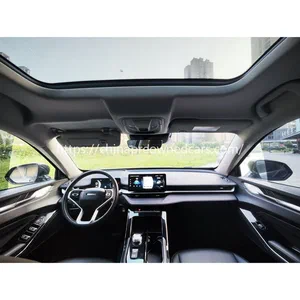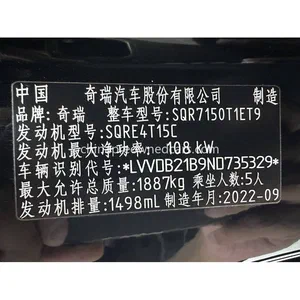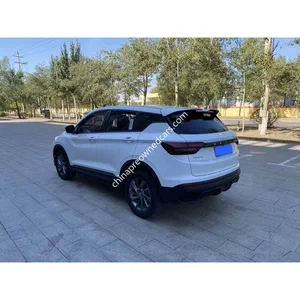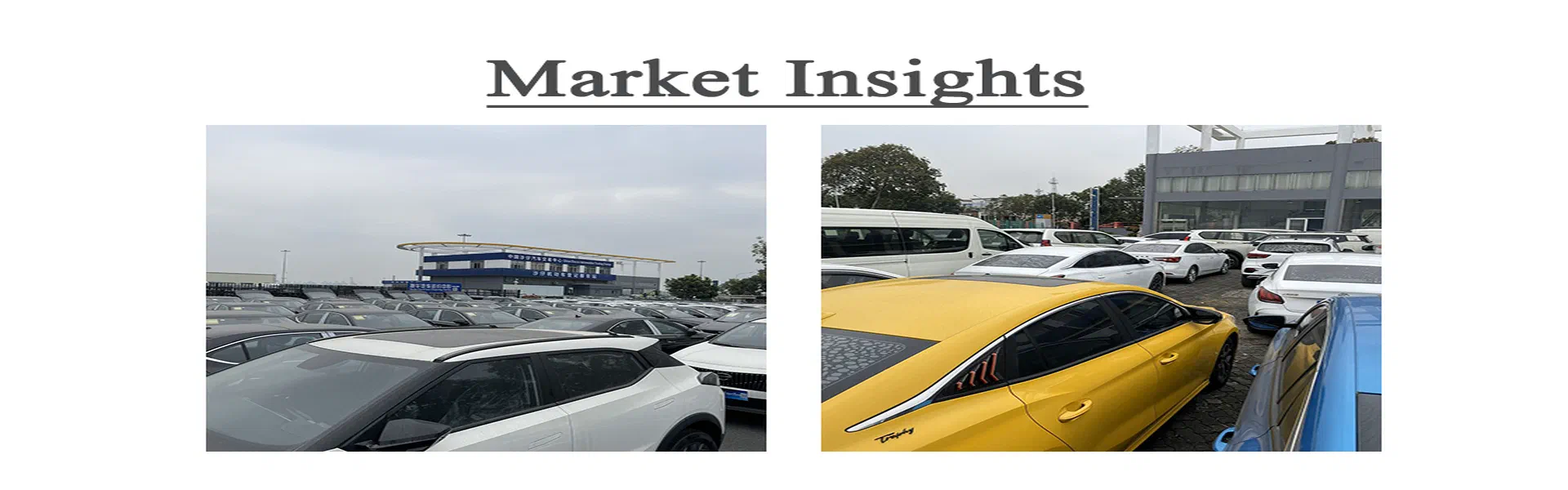

Electric vehicles are gaining traction in the used vehicle export market, particularly in regions like Africa, the Middle East, and South America. The rise of hybrid and electric vehicles, such as the BYD Atto 3, Chery Tiggo 7 Plus, and Haval H6, reflects a shifting demand influenced by environmental concerns and economic considerations. This article explores key aspects of exporting electric vehicles, focusing on technical specifications, export procedures, and practical buyer insights.
Battery Assessment and Standards
When exporting electric vehicles, assessing the battery state-of-health is crucial. Buyers should verify the battery’s capacity and overall condition, as these factors significantly impact resale value. Typical battery performance metrics include charge cycles, current capacity compared to original specifications, and any degradation over time. Various charging connector standards, such as GB/T, CCS, and CHAdeMO, are also worth noting. Acceptance of these standards varies by market; for instance, CCS is prevalent in European markets, while GB/T is more common in China. Buyers must ensure compatibility with the destination country’s charging infrastructure.
Transport Regulations and Shipping Methods
Exporting electric vehicles involves stringent regulations, particularly regarding battery transport. Compliance with UN 3480 guidelines for dangerous goods is mandatory, as lithium batteries are classified under hazardous materials. Proper labeling, packaging, and documentation are essential for safe transport. Shipping methods also vary; vehicles can be shipped as Roll-on/Roll-off (RoRo) or in containers, with RoRo generally being more cost-effective and faster. However, container shipping offers better protection against environmental factors during transit.
Destination Market Requirements
Each destination market has unique requirements for importing used vehicles. Most vehicles in the inventory are left-hand drive, which suits markets like Ghana and Nigeria but may not be compatible with purely right-hand drive regions. Emission standards and vehicle age limits differ by country and can change frequently. It is advisable for buyers to confirm the latest regulations for their intended market to avoid complications upon arrival.
Practical Buyer Guidance

Sourcing electric vehicles for export requires due diligence. Buyers should perform a thorough inspection of each vehicle, checking battery health, overall condition, and compliance with local regulations. Documentation is another critical aspect, including export licenses, customs clearance, and shipping documents. Payment terms can vary, often requiring a deposit followed by full payment upon shipping. Anticipated shipping lead times generally range from 15 to 25 days, but delays can occur, making it essential for buyers to plan accordingly.
Comparing Chinese and Other Used Vehicles
Chinese used electric vehicles, such as the Geely Coolray and Chery Tiggo 8 Pro, are increasingly seen as affordable alternatives to European and Japanese models. While they may not yet match the brand recognition of their competitors, they often offer competitive pricing and features tailored to local market needs. As buyer preferences shift towards more economical and environmentally friendly options, Chinese brands are positioning themselves effectively within emerging markets.
Future Demand Trends
The demand for electric and hybrid vehicles in export markets is expected to increase. Factors like rising fuel prices, government incentives for electric mobility, and heightened environmental awareness are likely to drive this trend. Additionally, improved battery technologies and charging infrastructure will further bolster the attractiveness of electric vehicles. As the market evolves, buyers will need to stay informed about technological advancements and regulatory changes that could impact their purchasing decisions.
FAQ
Q: What should I check before purchasing an electric vehicle for export?
A: Verify the battery state-of-health, vehicle condition, and compliance with local regulations in the destination market.
Q: What shipping methods are available for exporting electric vehicles?
A: Electric vehicles can be shipped via Roll-on/Roll-off (RoRo) or in containers, with each method having its advantages.
Q: Are there specific regulations for transporting batteries?
A: Yes, lithium batteries are classified as dangerous goods, and compliance with UN 3480 guidelines is required for safe transport.