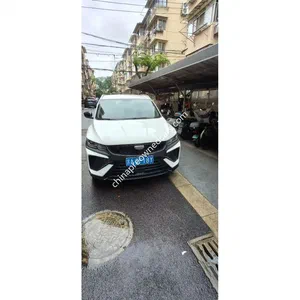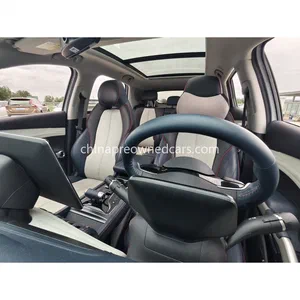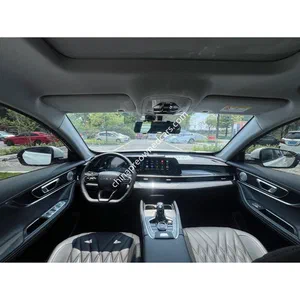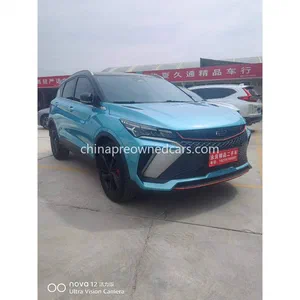
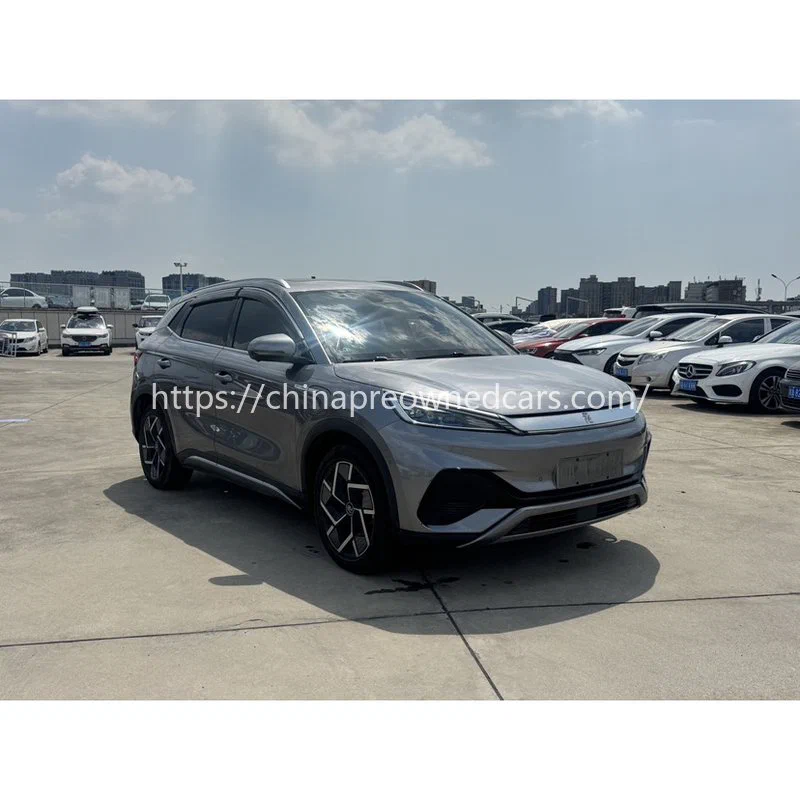
Exporting electric and hybrid vehicles requires careful consideration of battery health, as well as compliance with various regulations and market preferences. In the context of Chinese-brand SUVs, such as the BYD Atto 3 and Chery Tiggo models, understanding the nuances of battery state-of-health (SoH) assessments is crucial. A well-maintained battery not only ensures optimal performance but also affects resale value, particularly in countries with growing electric vehicle (EV) markets. Buyers should verify the battery’s SoH and inspect for any signs of degradation, as these factors can significantly impact the vehicle’s longevity and marketability.
Another essential aspect of exporting electric SUVs is adherence to charging connector standards and regulations. Different markets accept various standards such as GB/T, CCS, and CHAdeMO. For instance, countries in Africa and the Middle East may have specific preferences or infrastructure limitations affecting the choice of connectors. Additionally, battery transport regulations, such as UN 3480 for dangerous goods, must be followed during shipping. Exporters need to ensure that all batteries are packaged and transported according to safety standards to avoid potential issues at customs.

The demand for electric and hybrid vehicles in regions like Ghana and Nigeria is on the rise, with buyers increasingly leaning towards Chinese models due to their affordability and features. In comparison to European and Japanese alternatives, Chinese-brand vehicles often present a more competitive price positioning. However, buyers must stay informed about local import regulations, including age limits and emission standards, which can vary widely. It’s advisable to consult local authorities or reliable resources, including good websites for used cars, to confirm current rules before making a purchase. This approach will help mitigate risks associated with compliance and ensure a smoother export process.
FAQ
Q: What should I check regarding battery health before purchasing an electric vehicle for export?
A: Verify the battery state-of-health and any signs of degradation, as these factors directly influence performance and resale value.
Q: Are there specific regulations I should be aware of for exporting electric vehicles?
A: Yes, be aware of battery transport regulations such as UN 3480, along with local customs requirements regarding charging standards and vehicle age limits.