Exporting certified used vehicles involves a detailed workflow that ensures compliance with international standards and market regulations. The process begins with pre-shipment inspections, which are essential for verifying vehicle quality and ensuring they meet the standards expected in destination markets. Inspections typically include checks for mechanical condition, safety features, and overall roadworthiness. Moreover, obtaining certification from a recognized body can significantly enhance buyer confidence, as it indicates the vehicle has undergone thorough evaluations.
Once the inspection is complete, the next step involves preparing the necessary export documentation. Key documents include a customs declaration, a bill of lading, and a certificate of origin. The customs declaration outlines the vehicle’s specifications and value, which is crucial for customs clearance. The bill of lading serves as a receipt for the goods and a contract between the shipper and carrier, while the certificate of origin verifies the vehicle’s manufacturing origin, which is important for tariff assessments in the importing country.
The shipping method is another critical component of the export process. Vehicles can be shipped using RoRo (Roll-on/Roll-off) or container shipping. RoRo is often more cost-effective and faster, as vehicles are driven directly onto the vessel. However, it presents a higher risk of damage due to exposure during transit. Container shipping, while generally more expensive, provides better protection against environmental factors and potential theft. Buyers should consider their priorities—whether minimizing costs or maximizing vehicle protection—when selecting a shipping method.
Handling at the destination port must also be factored into the export workflow. Upon arrival, vehicles undergo an import process that includes customs clearance and inspection by local authorities. This stage can vary significantly by country, especially regarding regulations like emission standards and vehicle age limits. Buyers in markets such as Ghana, Nigeria, and Kenya must be aware of the specific requirements in their countries, as these can influence the vehicles’ suitability for import.
Lead times for shipping can vary based on the chosen method and distance to the destination. Typically, RoRo shipments may take around 15 to 25 days, while container shipping can take longer due to the additional logistics involved. Buyers should account for these variations when planning their purchases and ensure they have the necessary arrangements for timely vehicle delivery.
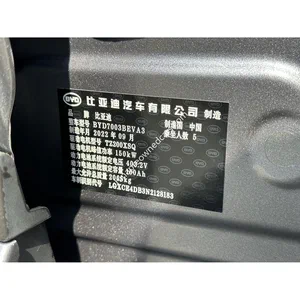
A crucial aspect of purchasing certified used vehicles is verifying the vehicle’s condition and history before committing to a sale. Buyers should request detailed inspection reports and service history documents from the exporter. Additionally, it’s advisable to conduct a VIN (Vehicle Identification Number) verification to ensure the vehicle’s legitimacy and to check for any outstanding recalls or safety issues. Understanding the specifics of the vehicle’s battery health is essential, especially for electric vehicles, as this can impact long-term performance and ownership costs.
Payment terms and after-sales support are also vital considerations. Exporters typically require a deposit upon order confirmation, with the balance due before shipment. Clear communication regarding payment methods and timelines can prevent misunderstandings. Post-sale support, including assistance with documentation and compliance with local regulations, can enhance the buyer’s experience and facilitate smoother vehicle integration into the local market.

FAQ
Q: What is a certified used vehicle?
A: A certified used vehicle has undergone a rigorous inspection and meets specific quality standards set by a recognized authority, ensuring reliability and performance.
Q: What should I check before purchasing a used vehicle for export?
A: Buyers should verify the vehicle’s inspection report, service history, and conduct a VIN verification to confirm its legitimacy and condition.