
Used car prices in Ghana are shaped by import costs, vehicle condition, model availability and changing buyer preferences. Chinese SUVs are becoming a more relevant option for importers comparing them with established Japanese and European brands, but their suitability depends on local regulations, driving conditions and ownership costs. Ghanaian buyers need to assess the full landed cost rather than relying on the advertised purchase price alone.
Ghana’s Used Car Market and Changing Price Patterns
Ghana’s used vehicle market has traditionally relied heavily on Japanese imports, particularly SUVs and passenger cars valued for their established maintenance networks and familiarity among local mechanics. European vehicles also attract buyers, especially in the premium segment, although maintenance costs and parts availability can influence purchasing decisions. Chinese brands are entering this competitive space with newer designs, updated cabin technology and a wider selection of SUVs. BYD, Chery, Geely and Haval offer alternatives for buyers who want more recent vehicle designs without automatically moving into the price bracket associated with some European models. A used cars price graph can help identify broad market movements, but it does not establish the actual import cost of an individual vehicle. Auction condition, mileage, manufacturing year, exchange rates, freight charges and customs valuation all affect the final figure. Importers should compare vehicles with similar specifications and condition rather than treating all examples of the same model as equivalent.

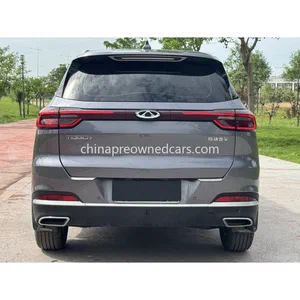
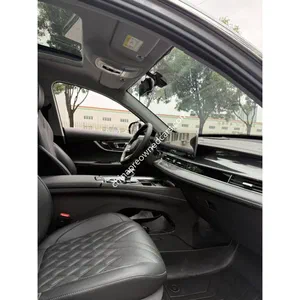
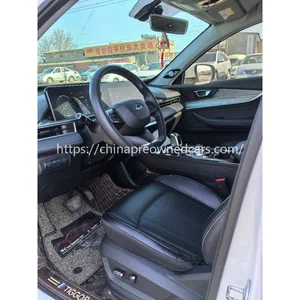
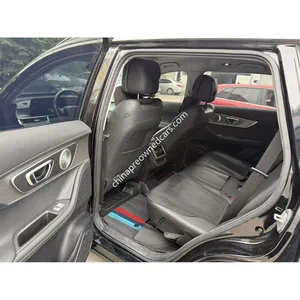
Price positioning is also changing as buyers pay closer attention to the equipment included in a vehicle. The BYD Atto 3 attracts interest from buyers considering electric mobility, while the Chery Tiggo 7 Plus and Geely Coolray address demand for compact and mid-size SUVs. The Chery Tiggo 8 Pro offers a larger vehicle format that may appeal to family buyers and commercial operators requiring additional cabin space. The Haval H6 competes in the established SUV segment, where buyers often compare interior features, engine configuration and practical running costs. These models do not serve identical customer groups. Their resale prospects in Ghana will depend on local familiarity, access to replacement parts and the availability of technicians who understand their electronic systems. Importers should therefore evaluate demand by model rather than assuming that a lower purchase price will translate into stronger sales.
Vehicle Suitability, Import Rules and Ownership Costs
Ghana’s road system includes paved urban routes, intercity highways and less-developed roads in some rural areas. Heat, seasonal rainfall, dust and uneven surfaces place practical demands on suspension components, tyres, cooling systems and underbody protection. An SUV can offer useful ground clearance, but body style alone does not establish suitability. Buyers should inspect suspension wear, steering components, brake condition, tyre age and evidence of previous accident repairs. Vehicles with extensive electronic equipment also require diagnostic checks. For the Tiggo 7 Plus, Tiggo 8 Pro, Coolray and Haval H6, the exact engine and transmission configuration should be confirmed before purchase because model specifications can differ between production years and domestic-market versions. A vehicle that appears competitively priced may require additional spending if its configuration is difficult to maintain locally.
Drive configuration is a fundamental consideration. Ghana operates on the right-hand side of the road, making left-hand-drive vehicles the appropriate configuration for ordinary use. Most vehicles sourced from China’s domestic market are left-hand drive, which makes them more relevant to this requirement than right-hand-drive imports intended for other markets. However, buyers should still verify steering configuration against the vehicle identification details and physical inspection. Import eligibility also requires attention to vehicle age, applicable emissions requirements, roadworthiness rules and customs procedures. These requirements can change, and the relevant restrictions should be confirmed with Ghanaian customs authorities or a qualified local clearing agent before payment. Import duties and other charges can materially change the landed cost, so an exporter quotation should be assessed separately from destination-side taxes and clearance expenses.
Electric vehicles introduce a different set of considerations. The BYD Atto 3 may suit buyers with access to dependable charging, predictable daily travel and suitable parking facilities. However, public charging availability and service coverage should be assessed in the intended operating area rather than assumed to be widespread. Battery condition is particularly important in the used EV market. Buyers should request a battery state-of-health assessment, diagnostic records where available, charging-system checks and information about previous repairs. Battery transport requirements must also be addressed during export planning. For buyers who cannot depend on convenient charging, a conventional petrol SUV may offer a more practical ownership arrangement. The other listed models should be evaluated according to their actual powertrain specifications rather than being treated as interchangeable electric or hybrid alternatives.
Comparing Purchase Prices with Total Import Costs
Chinese used SUVs compete with Japanese and European alternatives through different combinations of vehicle age, equipment and purchase price. Japanese models benefit from established recognition and familiar servicing practices in Ghana. European alternatives may attract buyers seeking particular performance or interior features, but parts and specialist labour can increase ownership expenses. Chinese models can offer newer cabin layouts and extensive equipment at competitive acquisition prices, although local resale demand and parts distribution need careful assessment. For commercial importers, the relevant comparison is not simply the price at the source. It is the landed cost after export documentation, inspection, freight, insurance where applicable, customs charges and local handling. RoRo shipping can be suitable for operational vehicles, while container shipping may be preferred when additional cargo protection or a particular loading arrangement is required. The best option depends on the vehicle, shipment arrangement and destination port.
Before confirming an order, Ghanaian buyers should request the vehicle identification number, manufacturing year, mileage records and available service history. A pre-shipment inspection should cover exterior damage, structural repairs, engine and transmission operation, diagnostic fault codes, suspension, tyres and interior condition. For the Atto 3, battery diagnostics deserve separate attention. Any condition grading should be supported by inspection findings and photographs, not treated as a guarantee of future performance. Exporters must also arrange the required export licensing, customs declaration and inspection procedures in China. Commercial documentation generally includes the sales invoice, vehicle identification details and relevant shipping documents, with additional paperwork determined by the shipment and destination requirements. Payment terms should identify the deposit, balance payment conditions and the documents supplied before shipment. Buyers should also establish who handles port charges, destination clearance and any costs arising from delays.
Supply conditions can influence purchasing decisions as well. China’s domestic used vehicle market provides access to several brands and model configurations, but availability changes with sourcing conditions and vehicle quality. An exporter may need to source a particular specification rather than rely on a continuously available supply of identical vehicles. Ghanaian importers should communicate their preferred model year, steering configuration, powertrain, equipment and acceptable condition before sourcing begins. Similar checks apply when considering future distribution opportunities in Nigeria, Kenya, Uganda and Tanzania, where import restrictions, road conditions, charging infrastructure and consumer preferences differ. A specification suitable for Ghana should not automatically be assumed suitable for another destination. Buyers who compare verified vehicle details with current local regulations are better positioned to control purchasing risk and avoid unexpected costs after arrival.
FAQ
Q: Are Chinese used SUVs suitable for the Ghanaian market?
A: Models such as the Chery Tiggo 7 Plus, Chery Tiggo 8 Pro, Geely Coolray and Haval H6 offer alternatives in the SUV segment. Suitability depends on vehicle condition, parts availability, servicing support and the specific requirements of the intended buyer.
Q: What should Ghanaian buyers check before importing a used BYD Atto 3?
A: Buyers should verify battery state of health, charging performance, diagnostic records, vehicle history and left-hand-drive configuration. They should also confirm current import requirements and charging access in the intended operating area.