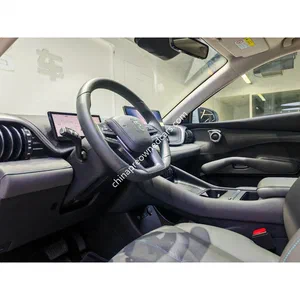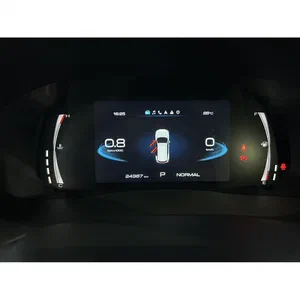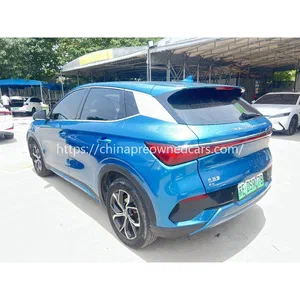
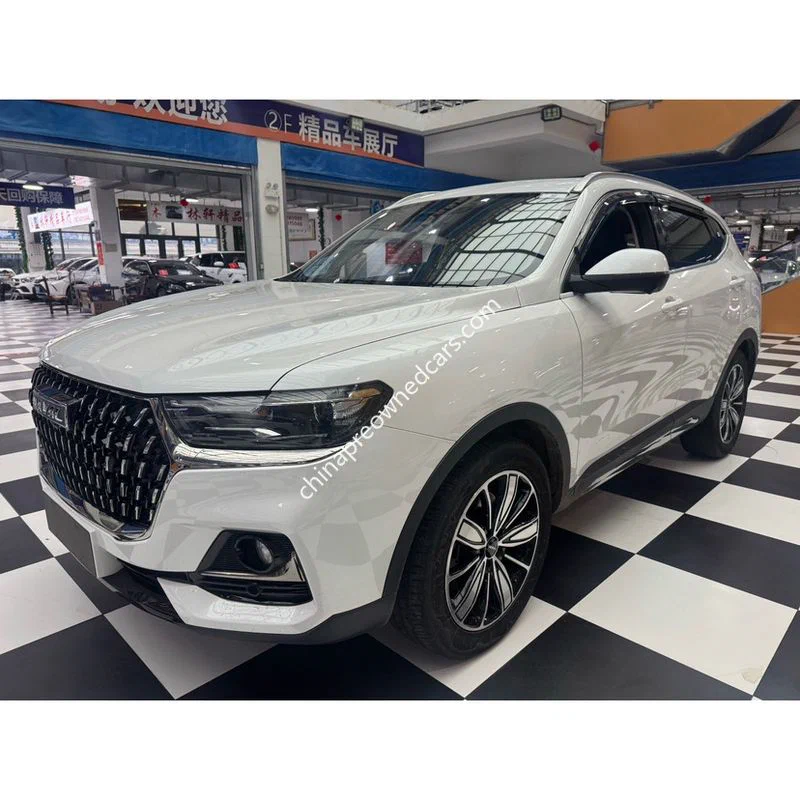
Exporting electric vehicles, particularly from China, requires careful consideration of several factors that influence their suitability for various markets. This analysis focuses on key features, specifications, and practical aspects that must be addressed when sourcing electric and hybrid SUVs like the BYD Atto 3, Chery Tiggo 7 Plus, and Haval H6 for export to regions such as Africa and the Middle East.
Battery State-of-Health and Regulations
Battery state-of-health is a critical component in the assessment of used electric vehicles. Buyers should prioritize vehicles with batteries that show minimal degradation. The state-of-health impacts both the vehicle’s performance and its resale value. In addition, compliance with international battery transport regulations, such as UN 3480, is crucial for ensuring safe shipping. This includes proper labeling and packaging to meet hazardous material standards. Exporters must also confirm that the vehicles are cleared for shipping and adhere to local regulations regarding battery health.
Charging Connector Standards
Compatibility with local charging infrastructure is vital for electric vehicles. Different markets may have varying standards for charging connectors, including GB/T, CCS, and CHAdeMO. For instance, countries like Nigeria and Ghana are increasingly investing in electric vehicle charging stations, but the types of connectors used can differ. Exporters should verify which charging standards are accepted in the destination market to ensure that the vehicles can be readily charged upon arrival.
Export Procedures and Documentation
The export process for used vehicles involves several steps, including pre-shipment inspection, customs clearance, and the choice between RoRo (Roll-on/Roll-off) and container shipping. Each method has its advantages; RoRo is generally more cost-effective, while container shipping offers better protection for vehicles. Proper documentation, including export licenses and customs declarations, is essential to avoid delays. Buyers should familiarize themselves with the required paperwork to facilitate a smooth transaction.
Market-Specific Requirements

Each destination market has unique regulations concerning vehicle importation. These include emission standards, vehicle age limits, and roadworthiness checks. For example, many African countries favor left-hand drive vehicles, which should be considered when sourcing inventory. Buyers should consult with local authorities or importation experts to confirm the current requirements and ensure compliance, as these can change frequently.
Evaluating Vehicle Condition
When sourcing electric vehicles for export, it is essential to conduct a thorough quality assessment. This includes verifying the vehicle’s history, mileage, and overall condition. Buyers should request detailed inspection reports and service records to evaluate whether the vehicles meet their standards. This step is particularly important for electric vehicles, where battery performance and overall condition can significantly affect resale value.
Demand Trends in Target Markets
The demand for Chinese electric SUVs in markets like Ghana and Kenya is rising, driven by affordability and increasing consumer interest in sustainable transportation. Compared to European and Japanese alternatives, Chinese brands often offer competitive pricing, appealing features, and a growing reputation for reliability. However, potential buyers should remain aware of shifting preferences as markets mature, which may lead to increased demand for higher-quality vehicles in the future.
Practical Buyer Guidance
Sourcing the best used vehicle to purchase involves several practical considerations. Buyers should establish clear payment terms and shipping lead times to avoid misunderstandings. After-sales support is also crucial; exporters should provide resources for maintenance and troubleshooting to ensure customer satisfaction. Transparent communication about the vehicle’s condition and specifications will further enhance trust between exporters and buyers.
FAQ
Q: What should I check when buying an electric vehicle for export?
A: Verify the battery state-of-health, charging compatibility, and ensure all necessary documentation is complete to facilitate smooth export and import processes.
Q: How do I choose the best vehicle for my market?
A: Consider the local demand trends, regulatory requirements, and the vehicle’s specifications to ensure it meets the expectations of your target consumers.