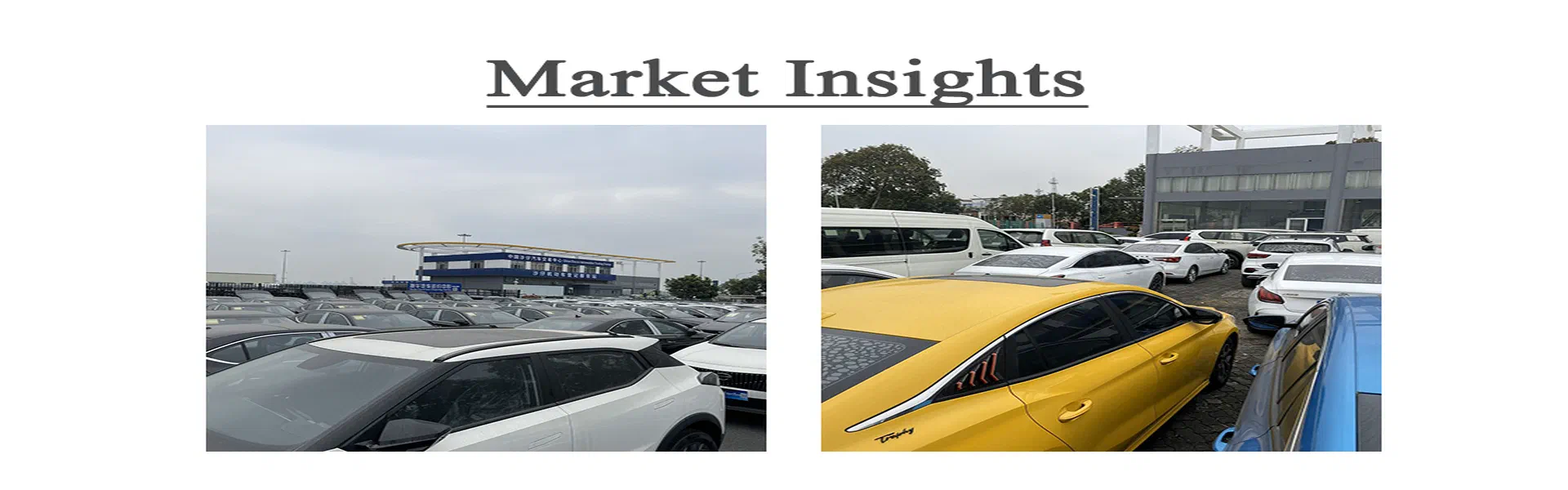
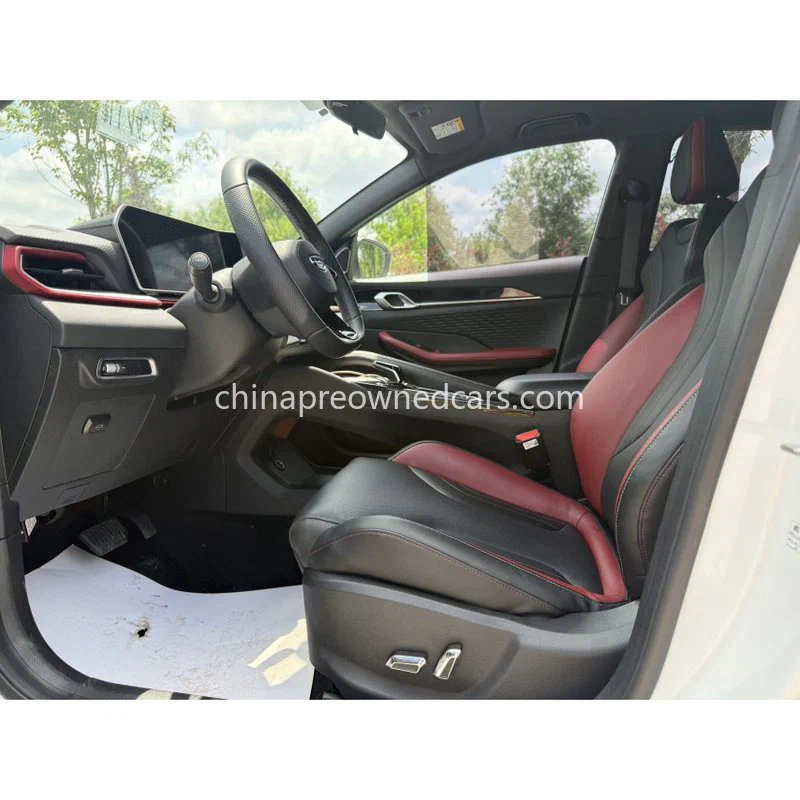
Finding where to buy 2nd hand cars for export to West Africa requires more than comparing advertised prices. Buyers need to assess the vehicle’s condition, verify the exporter’s documentation, and understand how local import requirements affect the final purchase. Chinese used SUVs have become an option for buyers in Ghana, Nigeria, Kenya, Uganda, and Tanzania, particularly in segments where equipment and purchase cost influence buying decisions.
Market Demand and Vehicle Selection
Demand for Chinese-brand used SUVs is developing alongside established trade in European and Japanese vehicles. Japanese models remain familiar to many buyers because of their long-standing presence in local markets and established spare-parts networks. European vehicles also retain appeal, particularly among buyers who prioritize brand familiarity and particular engine specifications. Chinese vehicles compete through relatively recent model years, modern interiors, and equipment levels that may be difficult to match at a similar used-vehicle budget.
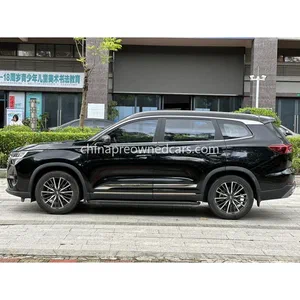
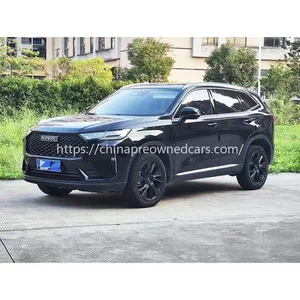
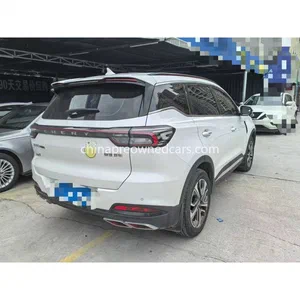
The Chinese SUV segment offers several different buying propositions. The BYD Atto 3 appeals to buyers interested in electric mobility, although its suitability depends heavily on charging access and battery condition. The Chery Tiggo 7 Plus and Geely Coolray address the compact and mid-size SUV segments, where buyers often compare cabin space, fuel consumption, and equipment. The Chery Tiggo 8 Pro provides a larger family-oriented option, while the Haval H6 competes in the established mid-size SUV category. Demand is not identical across the five destination markets. Buyers in Ghana and Nigeria may place particular emphasis on purchase cost, parts availability, and resale prospects, while buyers in Kenya, Uganda, and Tanzania also need to consider local road conditions and available servicing facilities.
Price positioning should be assessed against the full landed cost rather than the vehicle’s advertised value. Freight, insurance, customs duties, port charges, inspection costs, and inland transportation can change the economics of an apparently inexpensive purchase. European and Japanese alternatives may offer stronger familiarity in some markets, but Chinese SUVs can provide a different balance of vehicle age and equipment. The comparison should use vehicles of similar condition and specification.
Vehicle Verification and Exporter Due Diligence
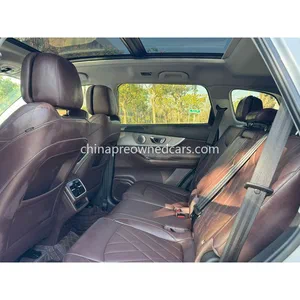
The first stage of purchasing is independent vehicle verification. Mileage should be checked against available service records, maintenance invoices, inspection documents, and electronic diagnostic information. A low odometer reading is not sufficient evidence of limited use. Buyers should also request photographs of the instrument cluster, interior wear, tyres, engine compartment, underbody, and exterior panels. Differences between the vehicle’s stated condition and visible evidence should be resolved before payment.
Accident history deserves separate attention. Buyers should request information about structural repairs, airbag deployment, repainting, flood exposure, and replaced body panels. A pre-shipment inspection report should identify the vehicle’s observed condition, rather than simply describe it as good or excellent. The VIN should be checked against the vehicle’s identification plates, registration or ownership records, and export paperwork. Any discrepancy needs clarification before the transaction proceeds.
Electric vehicles require additional checks. For a BYD Atto 3, battery state of health is a key purchasing consideration because remaining capacity affects driving range and future operating costs. Buyers should request available battery diagnostic results, charging-system checks, fault-code information, and details of previous battery repairs. A dashboard range estimate alone cannot establish battery condition. Battery transport and shipping arrangements also need to be confirmed with the carrier, since EVs have requirements that differ from conventional petrol vehicles.
Exporter credibility is equally important. A legitimate supplier should explain how vehicles are sourced, which inspections are performed, and which documents will be provided. Buyers should request the export license details, a sample inspection report, the proposed sales contract, and a clear breakdown of charges. Company registration information, business contact details, and consistency between the contracting party and payment beneficiary should also be checked. An exporter who avoids VIN disclosure or pressures buyers into immediate transfers creates unnecessary transaction risk.
Payment arrangements should be documented before funds are transferred. Commercial transactions commonly involve a deposit followed by payment against agreed milestones, such as inspection approval or completion of export documentation. The exact structure varies by exporter and contract. The agreement should specify the vehicle VIN, currency, payment schedule, inspection conditions, refund arrangements, and responsibility for unexpected charges. Payments to unrelated personal accounts should be treated cautiously.
Export procedures introduce another set of checks. Chinese used vehicle exports require the appropriate export licensing, customs declaration, and pre-shipment inspection. Buyers should establish which party handles each stage and request copies of relevant documents as they become available. Shipping may be arranged through Roll-on/Roll-off (RoRo) services or container loading. RoRo is generally suited to operable vehicles, while container shipping may provide additional protection and allow different cargo arrangements. The choice depends on the vehicle, carrier requirements, route, and total shipping cost.

Destination regulations must be confirmed before purchase. Ghana, Nigeria, Kenya, Uganda, and Tanzania have their own rules covering vehicle age, emissions, import duties, roadworthiness, and other clearance requirements. These rules can change. Most vehicles sourced from China’s domestic market are left-hand drive, so buyers must verify whether LHD vehicles are permitted for their intended registration and use. Import restrictions should be checked with the relevant customs authority or a licensed local clearing agent, not assumed from information supplied for another country.
Common problems arise when buyers confirm a vehicle before checking its destination eligibility, underestimate port and clearance charges, or accept incomplete inspection evidence. Shipping schedules can also change because of vessel availability, port congestion, and customs processing. The sales contract should distinguish estimated transit time from the full period required for delivery and clearance. Before ordering, buyers should also establish whether the exporter can assist with document corrections, shipping updates, and post-arrival enquiries. After-sales support should be defined in writing, particularly where replacement parts, technical information, or warranty arrangements are discussed.
FAQ
Q: Where is the best place to buy used Chinese SUVs for export to Ghana or Nigeria?
A: A specialist Chinese vehicle exporter can provide access to domestic-market SUVs and coordinate inspection, export documentation, and shipping. Buyers should independently verify the company, vehicle VIN, inspection evidence, and destination import eligibility before paying.
Q: What documents should buyers request before shipping a used vehicle from China?
A: Request the sales contract, VIN details, pre-shipment inspection report, applicable export license information, customs declaration and clearance paperwork, and shipping documents. The final document requirements should also be confirmed with the destination country’s customs authority or clearing agent.