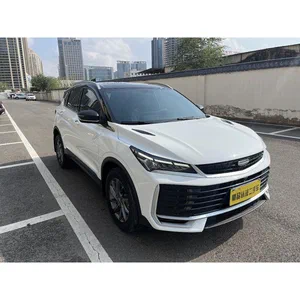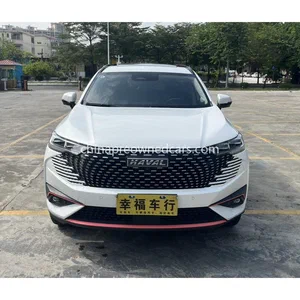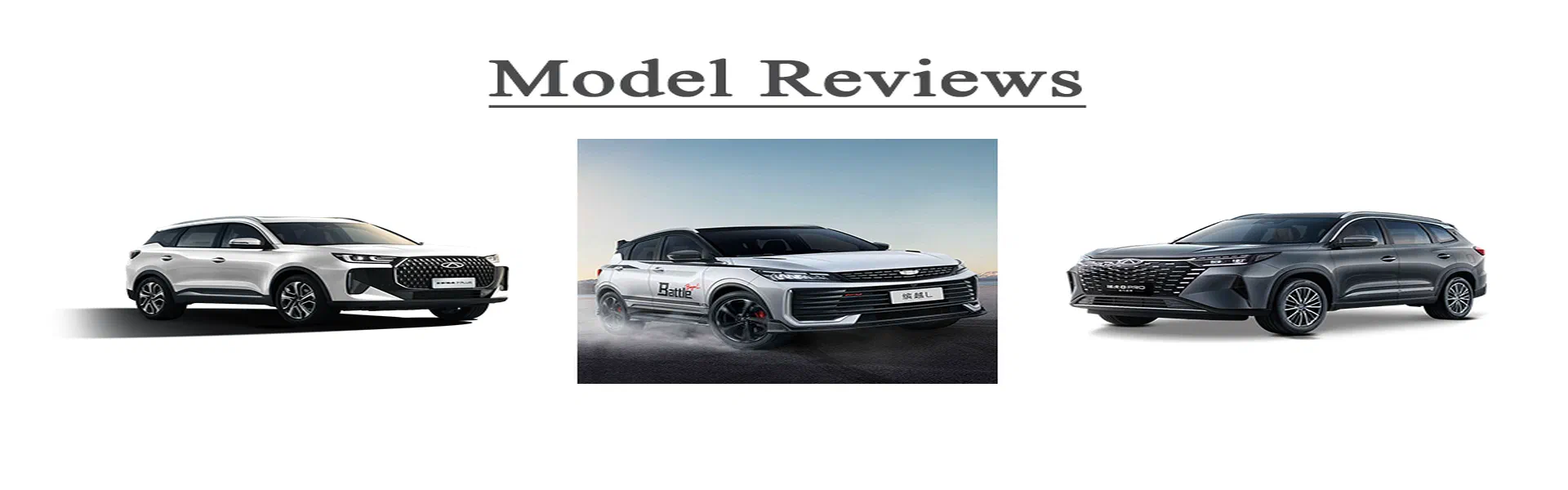
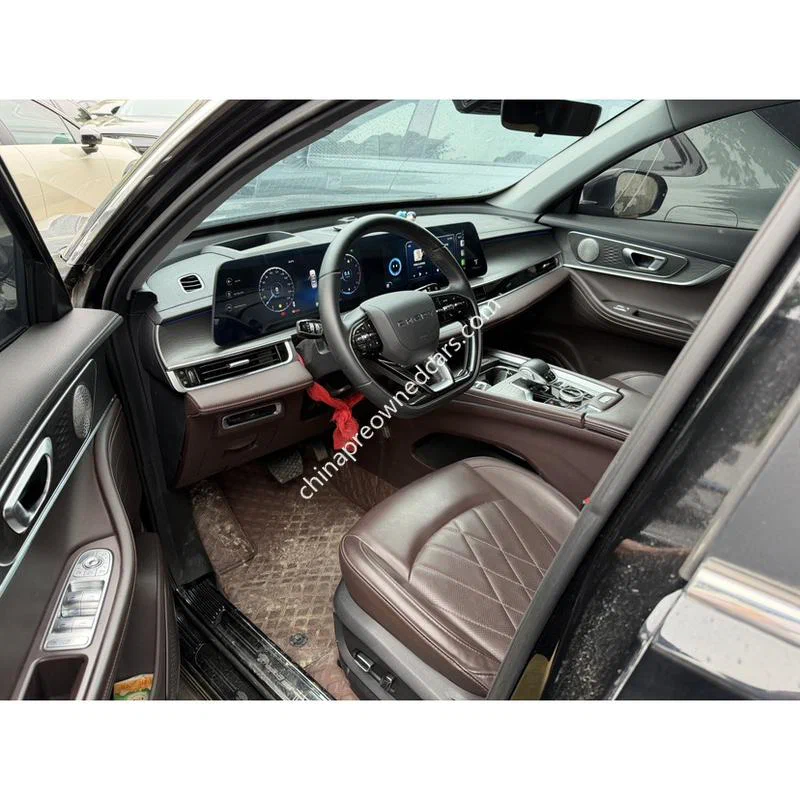
Chinese-brand electric and hybrid SUVs have gained prominence in the used vehicle export market, especially for regions like Africa. This article presents a technical comparison of battery electric vehicles (BEVs) and hybrids, focusing on critical aspects such as powertrain technology, range, fuel consumption, and compliance with emission standards relevant to export markets. The assessment will also cover models like the BYD Atto 3, Chery Tiggo 7 Plus, and Haval H6, which are suitable for various terrains and climates encountered in destination countries.
Powertrain Comparison
Battery electric vehicles operate purely on electric power, relying on a battery pack that is charged from an external source. In contrast, hybrid vehicles combine an internal combustion engine with an electric motor, allowing for greater flexibility in fuel sources. For markets such as Ghana and Nigeria, where charging infrastructure may still be developing, hybrids like the Chery Tiggo 8 Pro offer an advantage due to their dual power sources. The BYD Atto 3, being a fully electric model, requires buyers to consider the availability of charging stations, especially in urban areas.
Range and Fuel Consumption
Range is a crucial factor in determining the suitability of a vehicle for export. Electric vehicles like the BYD Atto 3 typically provide a range of around 300 to 400 kilometers on a full charge, depending on driving conditions and usage. In contrast, hybrid models can achieve higher combined ranges due to the assistance of their gasoline engines. For instance, the Haval H6 offers impressive fuel efficiency, making it a practical choice for long-distance travel in regions where fuel stations are plentiful.

Emission Standards and Compliance
Different countries have varying emission standards that heavily influence importability. Most of the inventory from this exporter features left-hand drive vehicles, which aligns with the needs of many African markets. Buyers should verify local regulations regarding emission standards and fuel type compatibility. Hybrid vehicles may have an edge in areas where older combustion engines are still prevalent, while BEVs like the Chery Tiggo 7 Plus may face restrictions based on battery age and performance metrics.
Parts and Service Availability
Reliability and ease of maintenance are essential considerations when choosing between EVs and hybrids. The Chery Tiggo models, for instance, have a solid track record in China, which often translates to better parts availability in Africa. However, as electric vehicles gain traction, the demand for EV-specific components is also increasing. Buyers should assess local service networks and the availability of spare parts for both electric and hybrid models.
Climate Adaptability and Reliability
The harsh climates of many African regions necessitate vehicles that can cope with extreme temperatures and rough terrains. Models like the Haval H6 are designed with ground clearance suitable for off-road conditions, making them reliable options for rural areas. Electric vehicles, while largely efficient, may face challenges in extreme heat, which can impact battery performance. Buyers should take local climate conditions into account when selecting a vehicle.
Practical Buyer Guidance
Before purchasing, potential buyers should conduct a thorough inspection of vehicle condition, focusing on battery health for electric models and engine performance for hybrids. Understanding payment terms is also crucial, as they can vary significantly between exporters. Shipping lead times typically range from 15 to 25 days, depending on logistics and chosen shipping methods, such as RoRo or container shipping. After-sales support should be confirmed to ensure that buyers have access to necessary services post-purchase.
FAQ
Q: What is the difference between BEVs and hybrids?
A: BEVs run entirely on electric power, while hybrids use both an electric motor and a combustion engine, offering more flexibility in fuel sources.
Q: How should I verify vehicle condition before purchase?
A: Conduct a pre-purchase inspection focusing on mechanical components, battery health for electric vehicles, and overall vehicle history.
Q: What payment terms should I expect when buying a used vehicle?
A: Payment terms can differ by exporter, so it’s essential to clarify conditions such as deposit amounts, final payment timing, and accepted payment methods.