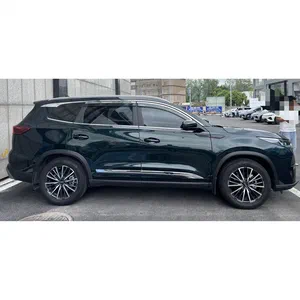

Assessing the condition and quality of pre-owned SUVs is essential for export buyers looking for reliable vehicles. This is particularly true for markets in Africa, where vehicle performance and durability can significantly impact user experience. Factors such as ground clearance for rough terrain, climate control for heat, and availability of parts are crucial when selecting models like the BYD Atto 3, Chery Tiggo 7 Plus, Chery Tiggo 8 Pro, Geely Coolray, and Haval H6.
Vehicle Condition Grading
Used vehicles are typically graded based on several criteria, including cosmetic condition, mechanical health, and mileage. Cosmetic condition refers to the exterior and interior appearance, while mechanical health assesses the vehicle’s operational status. Mileage bands, often categorized as low, moderate, or high, impact the perceived value of the vehicle. Buyers should also consider the service history, which provides insights into maintenance practices and potential recurring issues. It’s advisable to verify these claims through documentation and reputable inspection reports.
Typically, “export-grade” or “dealer-grade” vehicles meet specific standards for functionality and appearance. Export-grade vehicles often undergo rigorous inspections to ensure they are suitable for international shipping and meet destination country regulations. However, these terms can vary by seller and should not be taken at face value. Buyers are encouraged to request detailed inspection reports and verify the vehicle’s condition personally or through trusted third-party services.
Inspection and Verification
Pre-shipment inspections play a vital role in confirming the condition of used vehicles. These inspections usually cover essential aspects such as engine performance, transmission functionality, brake condition, and overall mechanical integrity. However, it is important to note that inspections may not always encompass every detail, particularly cosmetic flaws that do not affect vehicle performance. Buyers should be aware of common red flags, such as signs of previous accidents, rust, or unusual wear patterns, which may indicate underlying issues.
For models popular in the African market, such as the Haval H6, ensuring proper ground clearance is vital due to the often rough terrain. Additionally, features like effective climate control are essential to enhance passenger comfort in hot climates. Potential buyers should verify the functionality of these features during the inspection process.
Common Failure Points and Parts Availability

Each vehicle model has common failure points that buyers should be aware of. For instance, electrical issues may be prevalent in some models, while others might face engine-related problems after a certain mileage. It is advisable for buyers to research the specific models they are interested in to understand these potential issues better. Furthermore, availability of parts in destination markets can influence long-term maintenance and repair costs. Models that are widely recognized, such as the Chery Tiggo 8 Pro, may have better access to spare parts, aiding in efficient repairs.
Export Procedures and Documentation
Exporting used vehicles from China involves several steps, including obtaining export licenses, customs clearance, and preparing necessary documentation. Buyers should be familiar with the requirements for their specific destination markets, as regulations can vary widely. For instance, vehicle age limitations, emission standards, and drive-side requirements must be confirmed prior to purchase. Most Chinese domestic vehicles are left-hand drive, which is suitable for many markets in Africa but may not be ideal for others.
Shipping options, such as RoRo (Roll-on/Roll-off) or container shipping, also affect the overall cost and logistics. RoRo is often more economical for vehicles but may expose them to environmental elements during transit. Container shipping provides added protection but can be more expensive. Buyers should discuss shipping lead times and payment terms with their suppliers to ensure smooth transactions.
FAQ
Q: How should I verify the condition of a used vehicle before purchase?
A: Request detailed inspection reports and consider using trusted third-party services for verification. Inspect the vehicle personally, focusing on both mechanical and cosmetic aspects.
Q: What are the common red flags when assessing used SUVs?
A: Look for signs of previous accidents, rust, unusual wear patterns, and verify mechanical functionality, particularly for crucial systems like brakes and transmission.
Q: How can I ensure that the vehicle meets my destination country’s regulations?
A: Research the specific import regulations for your country, including age limits, emission standards, and drive-side requirements. Confirm these details with your supplier.