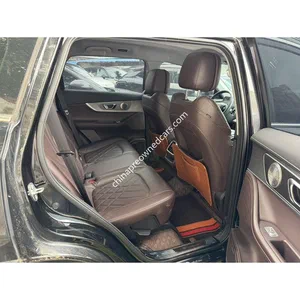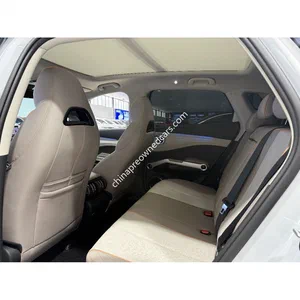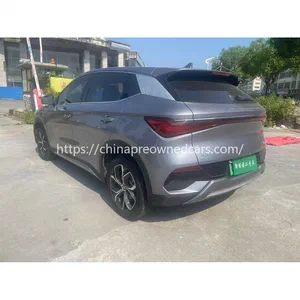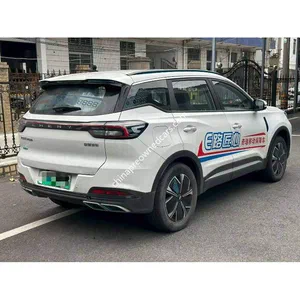

Assessing the quality of used vehicles is crucial for buyers, especially when considering models suitable for export to markets like Ghana, Nigeria, and Kenya. Understanding vehicle condition grading, inspection processes, and market-specific requirements can help buyers make informed choices. The following sections outline these key aspects.
Vehicle Condition Grading
Used vehicles are typically graded based on their cosmetic condition, mechanical health, mileage, and service history. Vehicles may be categorized as “export-grade” or “dealer-grade,” which indicates a higher standard of quality. Export-grade vehicles usually have fewer cosmetic blemishes and better mechanical integrity. Buyers should check for signs of wear and tear, such as rust, dents, or significant scratches. Mileage bands can provide insights into the wear of a vehicle; lower mileage is generally preferred, but the maintenance history and service records are equally important. A comprehensive service history can indicate how well the vehicle has been cared for, making it a critical aspect of the assessment.
Inspection Procedures
Inspection is a key part of the sourcing process for used vehicles. In China, pre-shipment inspections are often conducted to ensure that vehicles meet the necessary export standards. These inspections cover mechanical components, safety features, and overall roadworthiness. However, they may not always include a thorough evaluation of the vehicle’s cosmetic condition or hidden issues, such as engine problems or transmission wear. Buyers should consider arranging an independent pre-purchase inspection to verify claims made by sellers. This step can help uncover potential red flags, such as previous accidents or major repairs that might affect the vehicle’s reliability.
Export Considerations
Understanding the logistics of vehicle export is essential for smooth transactions. Vehicles can be shipped via RoRo (Roll-on/Roll-off) or in containers, with each method having its own advantages and disadvantages. RoRo shipping is generally more cost-effective but requires the vehicle to be operational for loading. On the other hand, container shipping offers better protection against damage but may incur higher costs. Documentation is also crucial, including export licenses and customs clearance paperwork, which can vary by destination market. Buyers must ensure that all documentation is in order to prevent delays or complications at customs.

Market-Specific Requirements
Different markets impose various requirements regarding vehicle age, emission standards, and drive side configurations. Most vehicles in the Chinese market are left-hand drive, which aligns with the needs of many African countries. However, it’s vital to verify the specific import regulations for each destination country, as these can change frequently. Emission standards may vary, and some countries have restrictions on the age of vehicles allowed for import. Buyers should confirm current regulations to ensure compliance and avoid potential issues upon arrival.
Practical Buyer Guidance
Before finalizing a purchase, buyers should conduct thorough due diligence. This includes verifying the vehicle identification number (VIN) to check for any discrepancies in its history. Payment terms should be clearly outlined before proceeding with the transaction to ensure mutual understanding. Shipping lead times can vary, often taking around 15-25 days, so buyers should factor this into their plans. After-sales support is another important consideration; reliable exporters often provide assistance with parts availability and service options in the destination market.
FAQ
Q: What does “export-grade” mean for used vehicles?
A: Export-grade vehicles typically meet higher quality standards, with fewer cosmetic defects and better mechanical reliability.
Q: How can I verify a vehicle’s history before purchase?
A: Buyers should check the VIN against service records, and consider ordering an independent inspection to uncover any hidden issues.