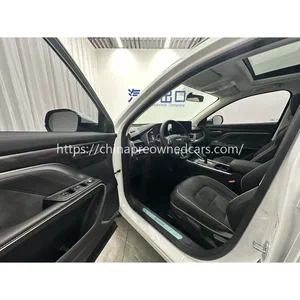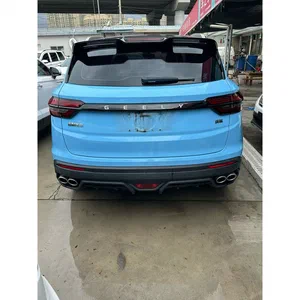
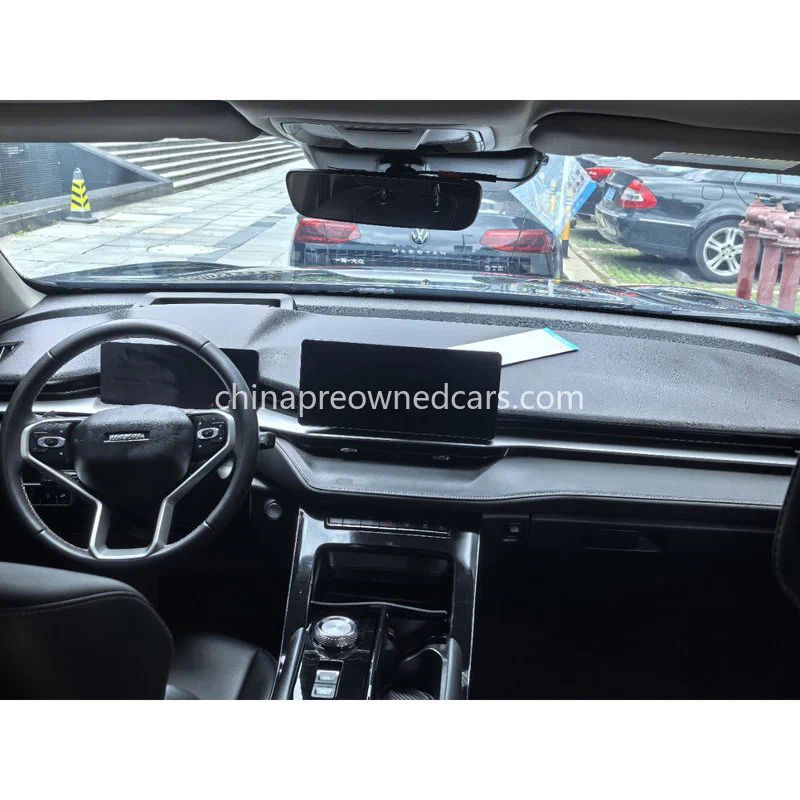
The BYD Atto 3 is a compact electric SUV built around a battery-electric powertrain, front-wheel drive and a practical five-seat layout. For African importers considering a cpo electric car from China, its suitability depends on battery condition, ground clearance, charging compatibility and the availability of technical support after arrival. These factors deserve closer attention than the vehicle’s advertised range alone.
Powertrain, Range and Export Specifications
The BYD Atto 3 uses a front-mounted electric motor driving the front wheels. Depending on the production year and market specification, output is commonly around 150 kW, with a torque rating of approximately 310 Nm. It is a single-motor, front-wheel-drive SUV rather than an all-wheel-drive vehicle. This distinction matters for buyers operating in areas with steep, muddy or poorly maintained roads.
Battery capacity varies by version. Common configurations include approximately 49.9 kWh and 60.5 kWh battery packs, with claimed driving ranges differing according to the test cycle and specification. Actual range depends on speed, air-conditioning use, passenger load, road surface and battery degradation. Buyers should request the original vehicle specification and confirm the battery configuration by VIN rather than relying on a model name alone.
The Atto 3 produces no tailpipe emissions during electric operation. However, this does not automatically establish compliance with every destination’s import or registration requirements. Ghana, Nigeria, Kenya, Uganda and Tanzania each have their own vehicle import procedures and applicable standards. Importers should confirm current requirements before purchasing, including vehicle age restrictions, documentation, inspection procedures and registration eligibility.
Drive side is another important consideration. Most vehicles sourced from China’s domestic market are left-hand drive. Buyers in markets where right-hand-drive vehicles are required must establish whether a particular LHD vehicle can legally be imported and registered. This should be checked before payment, not after the vehicle reaches the destination port.
Condition Assessment for African Roads
A used Atto 3 should be assessed according to its actual mechanical and electrical condition. A practical grading process separates cosmetic wear from defects that affect operation, safety or future maintenance costs. Grade descriptions are not universal across exporters, so the inspection report should define each category clearly.
A typical assessment covers the following areas:
- Grade A: Generally clean bodywork and interior, with limited visible wear and no identified major functional defects.
- Grade B: Normal signs of use, including minor scratches, interior wear or cosmetic repairs, with major systems requiring satisfactory inspection.
- Grade C: More noticeable wear or repair history, requiring a closer assessment of repair costs and suitability for the intended use.
These grades should never replace an independent inspection. For the Atto 3, the battery and electric drive system require particular attention. Buyers should request a battery state-of-health report showing the measured capacity against the original specification. The report should identify the testing method, date and diagnostic equipment used.
The battery enclosure also deserves a physical inspection. Look for impact marks, deformation, damaged underbody protection, signs of water ingress and evidence of previous repairs. These issues can be difficult to identify from exterior photographs. A diagnostic scan should check battery management system records, motor faults, charging errors and stored warning codes. Charging should also be tested using compatible equipment.
Suitability, Maintenance and Common Inspection Points
The Atto 3’s compact dimensions make it easier to operate in urban environments than a larger SUV. Its electric powertrain also avoids conventional engine oil changes, exhaust-system repairs and fuel-system maintenance. Regenerative braking can reduce brake-pad wear, although brake condition still needs checking, particularly on vehicles that have spent long periods in humid or coastal environments.
Ground clearance is a more important limitation for some African operating conditions. The Atto 3 is designed primarily for paved roads and ordinary urban use. It is not a dedicated off-road vehicle. Rough access roads, deep potholes, exposed stones and heavily rutted surfaces can increase the risk of underbody and battery-enclosure damage. Buyers planning regular rural operation should inspect the underside and compare the vehicle’s ground clearance with the actual routes it will use.
Climate control is another practical consideration. Air-conditioning performance should be tested under sustained operation, not simply switched on during a brief inspection. In hot conditions, cabin cooling places an additional demand on the battery. Check compressor operation, refrigerant performance, cabin filters, ventilation controls and any unusual noise. The cooling system serving the battery and electric motor should also be examined for leaks and diagnostic faults.

The Atto 3 does not yet have the same long-established international used-car maintenance history as some conventional petrol SUVs. BYD’s domestic market presence provides a useful parts and technical support base in China, but that does not guarantee equivalent support in every destination. Before ordering, importers should identify local workshops familiar with BYD electric vehicles, confirm access to diagnostic equipment and investigate the availability of replacement components.
Parts planning should include charging connectors, suspension components, brake parts, sensors, exterior panels and electrical components. The availability of routine service items is not the same as the availability of high-voltage battery components. A buyer operating in Ghana or Nigeria, for example, should establish a realistic repair route before committing to a fleet purchase. The same principle applies to Kenya, Uganda and Tanzania.
Export Checks Before Purchase
A suitable Atto 3 needs to pass both vehicle-level checks and export compliance checks. The exporter should provide clear photographs, a VIN, production details, mileage information and available service records. Mileage should be compared against maintenance documentation and diagnostic information where available. Any discrepancy deserves investigation.
The purchase agreement should identify the exact vehicle specification, condition grade, disclosed defects, included equipment and payment milestones. It should also clarify who bears responsibility for inspection, export documentation, inland transport and shipping charges. Avoid treating a general vehicle description as a substitute for a written specification.
China’s used vehicle export process involves export licensing, customs declaration and pre-shipment inspection. Documentation normally includes the commercial invoice, vehicle identification details, export-related documents and shipping paperwork. The required document set can vary according to the destination and shipping arrangement.
RoRo shipping is one option for an operable vehicle that meets the carrier’s acceptance requirements. The vehicle is driven onto and off the vessel, generally without an individual shipping container. Container shipping provides a different arrangement, with the vehicle secured inside a container. This can offer additional control over how the vehicle is packed, although loading, securing and handling costs must be considered.
For an electric vehicle, shipping arrangements require particular attention to battery condition and carrier requirements. The exporter and shipping agent should confirm the applicable battery transport documentation, charging level, handling procedures and vessel acceptance conditions before booking.
Buyers should also obtain confirmation of the estimated shipping schedule, transshipment arrangements and destination port charges. A departure estimate is not a guaranteed arrival date. Port congestion, vessel schedules and customs processing can affect the final timeline. The receiving importer remains responsible for confirming current local import requirements and arranging clearance and registration.
FAQ
Q: Is the BYD Atto 3 suitable for African roads?
A: It is suitable for many urban and paved-road applications, but its ground clearance and underbody protection should be considered before regular use on rough rural roads.
Q: What battery checks should buyers request when importing a used BYD Atto 3?
A: Request a dated battery state-of-health report, diagnostic scan, charging test and physical inspection of the battery enclosure. The results should be reviewed alongside mileage and available service records.
Q: Can a left-hand-drive BYD Atto 3 be imported into Ghana, Nigeria, Kenya, Uganda or Tanzania?
A: Import and registration rules differ by country and can change. Buyers should confirm current drive-side, vehicle-age and technical requirements with the relevant destination authorities before purchasing.