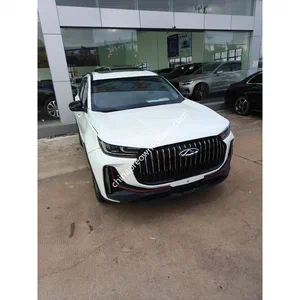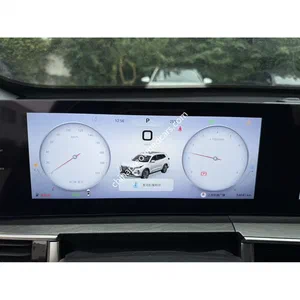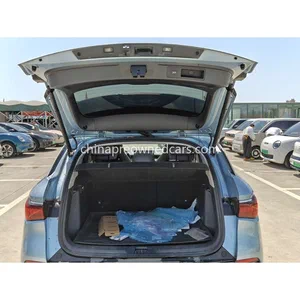

The BYD Atto 3 and Chery Tiggo 7 Plus represent two different approaches to the used SUV market: a fully electric drivetrain and a conventional petrol engine. For importers in Ghana, Nigeria, Kenya, Uganda and Tanzania, the choice depends on charging access, fuel costs, road conditions and local vehicle regulations. Both models are available through China’s pre-owned vehicle export market, but their inspection priorities and operating requirements differ.
The BYD Atto 3 uses a battery-electric drivetrain, delivering immediate torque and quiet operation without an internal combustion engine. Its driving range depends on battery capacity, battery state of health, speed, temperature, air-conditioning use and road conditions. Buyers should request a battery health assessment rather than rely solely on the dashboard range figure. Charging compatibility also requires attention. The vehicle’s charging port, connector standard, onboard charging capability and available charging equipment must match the destination’s infrastructure. Public charging coverage remains uneven across the five target markets, making access to reliable home or depot charging an important purchasing consideration. The Tiggo 7 Plus uses a petrol engine, avoiding charging infrastructure requirements and allowing refuelling through established fuel networks. Actual consumption varies with engine configuration, transmission, traffic and maintenance history. Its exhaust emissions must be assessed against the destination country’s current import requirements. The Atto 3 has no tailpipe emissions, but that does not automatically exempt it from vehicle registration, import approval or other applicable regulations. For buyers comparing used cars online for sale, powertrain suitability should come before advertised range or fuel economy figures.

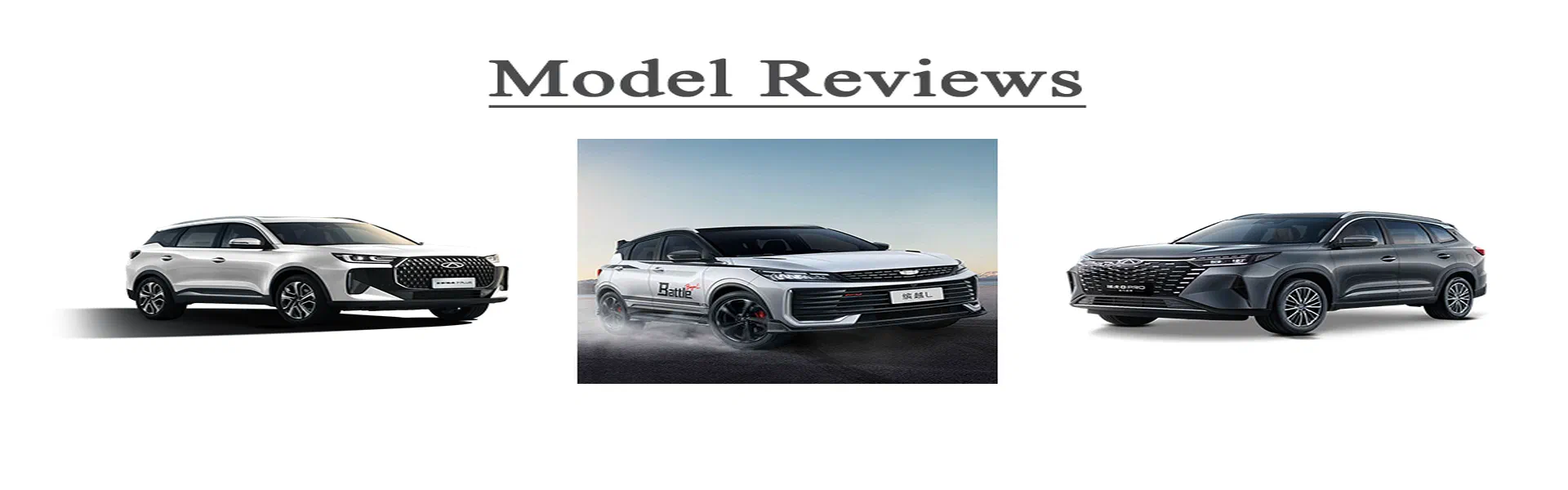
Road conditions create another distinction. The Tiggo 7 Plus is a practical option for buyers who regularly travel between urban areas and regional roads, although it remains a road-oriented SUV rather than a dedicated off-road vehicle. The Atto 3 is similarly suited to paved routes and maintained urban roads. Neither should be selected on appearance alone for frequent travel over severely damaged surfaces. Ground clearance, tyre condition, suspension wear and underbody damage deserve particular attention during inspection. In hot African climates, both vehicles require a proper air-conditioning assessment, including compressor operation, cooling performance and refrigerant-system condition. The Atto 3 also needs battery thermal-management checks, cooling-system inspection and diagnostic scans for charging or high-voltage faults. For the Tiggo 7 Plus, inspectors should examine engine oil leaks, cooling-system performance, transmission behaviour, turbocharger operation where fitted and evidence of irregular servicing. Parts availability is a separate consideration from initial purchase cost. BYD components and EV diagnostic support may require specialist suppliers, while petrol-engine servicing is generally more familiar to independent workshops. However, availability of model-specific Chery components should be confirmed locally rather than assumed. The BYD Atto 3, Chery Tiggo 8 Pro, Geely Coolray and Haval H6 offer additional reference points when comparing the exporter’s wider SUV inventory.
Drive configuration can determine whether either vehicle is eligible for import. Most vehicles sourced from China’s domestic market are left-hand drive (LHD). Ghana, Nigeria, Kenya, Uganda and Tanzania operate predominantly right-hand-drive road systems, so buyers must verify vehicle import eligibility and registration rules before committing to an LHD unit. Any requirement for vehicle age, emissions, roadworthiness or inspection documentation must also be checked against current national regulations. Export preparation involves vehicle identification verification, condition assessment, pre-shipment inspection, export licensing, customs declaration and shipping documentation. RoRo shipping is generally suitable for operable vehicles, while container shipping provides enclosed transport and may suit buyers with particular handling or cargo requirements. Before payment, request the VIN, mileage evidence, service records, inspection photographs, diagnostic results and, for the Atto 3, a battery health report. The exporter’s inspection and logistics arrangements should be agreed in writing, including payment stages, document responsibilities and destination-port arrangements. After-sales support should also be discussed, particularly access to diagnostic equipment and replacement parts. The lower operating cost of an EV is not automatic if charging access or specialist repairs remain difficult.
FAQ
Q: Is the BYD Atto 3 suitable for African markets?
A: It can suit urban and regional buyers with dependable charging access and qualified EV servicing. Battery health, charging compatibility and local support should be verified before purchase.
Q: Is the Chery Tiggo 7 Plus better for rough African roads?
A: Its petrol drivetrain offers convenient refuelling, but it is not a dedicated off-road SUV. Ground clearance, suspension condition, tyres and underbody protection should be assessed for the intended routes.
Q: Can left-hand-drive BYD and Chery SUVs be imported into Ghana, Nigeria or Kenya?
A: Import eligibility depends on current national regulations and registration requirements. Buyers should confirm LHD restrictions and applicable inspection rules before arranging shipment.