Exporting electric and hybrid vehicles from China requires careful consideration of several factors, particularly regarding battery health. Battery state-of-health is crucial for ensuring the vehicle’s reliability and longevity, especially in markets like Africa, where charging infrastructure may vary. Buyers should assess the battery’s capacity retention and look for any signs of degradation. This assessment can significantly impact resale value and the overall customer satisfaction of the end-users.
Charging connector standards are another important aspect to consider. Different regions utilize various standards, such as GB/T, CCS, and CHAdeMO. For instance, while the CCS standard is gaining acceptance in many markets, some regions still predominantly use the GB/T standard, particularly in China. Buyers must ensure that the vehicles they are sourcing will be compatible with the charging infrastructure available in their destination markets, like Ghana or Nigeria. This includes understanding any additional adapters that may be required.
Transport regulations also play a key role in the export process. Electric vehicles are classified as dangerous goods under UN 3480 due to their lithium-ion batteries. This classification necessitates special handling during shipping. Exporters must ensure compliance with international regulations to avoid delays or additional costs. Vehicles can be shipped using either RoRo (Roll-on/Roll-off) or container shipping methods, with each having its own advantages. RoRo is typically more cost-effective and faster, while container shipping provides additional protection against potential damage.
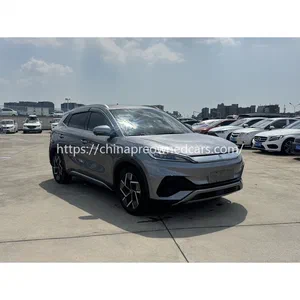
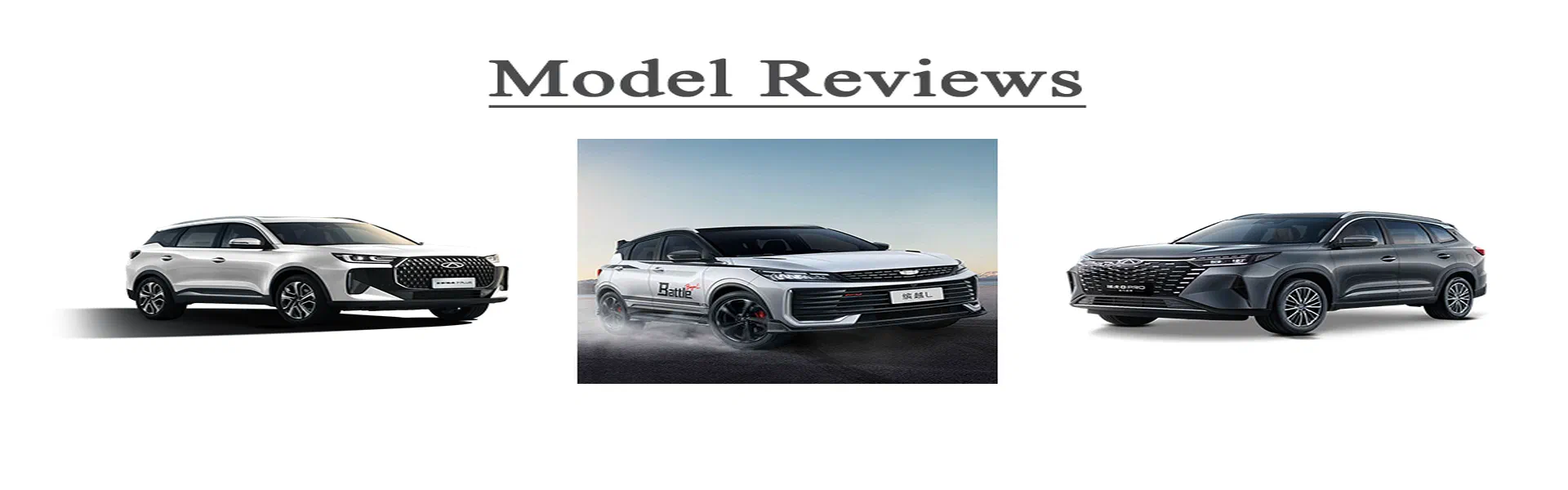
The current infrastructure for electric vehicles in destination markets must be carefully evaluated. Countries in Africa are rapidly developing their charging networks, but the availability of charging stations can still be limited. Buyers should investigate the existing and planned charging infrastructure to determine whether the imported electric vehicles can be adequately supported. This consideration is particularly important for hybrids and fully electric models, such as the BYD Atto 3 or Chery Tiggo 8 Pro, which may require frequent charging.

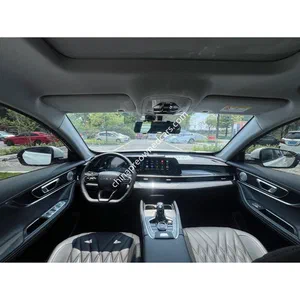
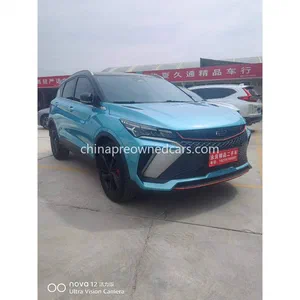
When sourcing used electric vehicles, it is essential to conduct thorough inspections. This includes checking for any battery health reports, verifying the vehicle’s condition, and understanding the maintenance history. Factors like mileage, previous accidents, and the overall condition of the vehicle can significantly affect its performance and resale value in the target market. Buyers should also confirm that all necessary documentation for customs clearance is in order, including export licenses and inspection reports.
FAQ
Q: How can I assess the battery state-of-health before purchasing an electric vehicle?
A: Buyers should request detailed battery health reports from the seller or arrange for a professional inspection to check capacity retention and any signs of degradation.
Q: What shipping method is recommended for exporting electric vehicles?
A: RoRo shipping is often recommended for its cost-effectiveness and quick turnaround, but container shipping may be preferable for added protection against damage.