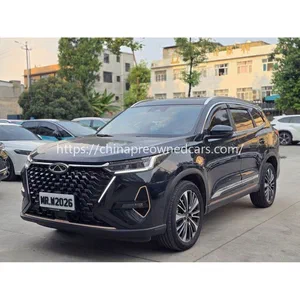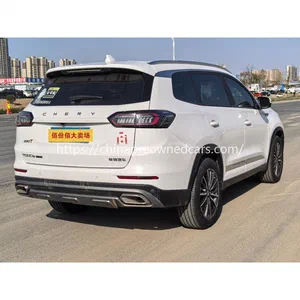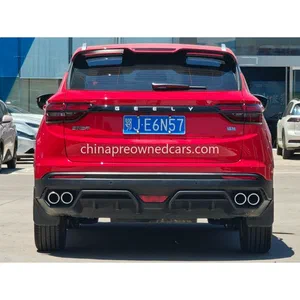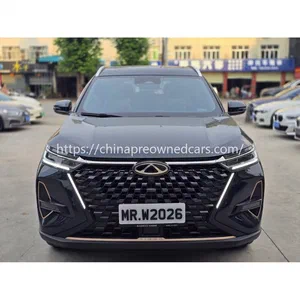
The export process for a used Chinese SUV involves more than agreeing on a vehicle value and arranging ocean freight. Buyers need to understand how inspection, export documentation, customs clearance, shipping selection and destination-port handling fit together. The condition and suitability of the vehicle also matter, particularly for African road conditions.
Vehicle Valuation and Pre-Shipment Inspection
Valuation starts with the model, production year, mileage, equipment level and recorded condition. Buyers looking to price a used car should compare similar specifications and account for any repairs identified during inspection. For African buyers, ground clearance, suspension condition and cooling performance deserve particular attention.
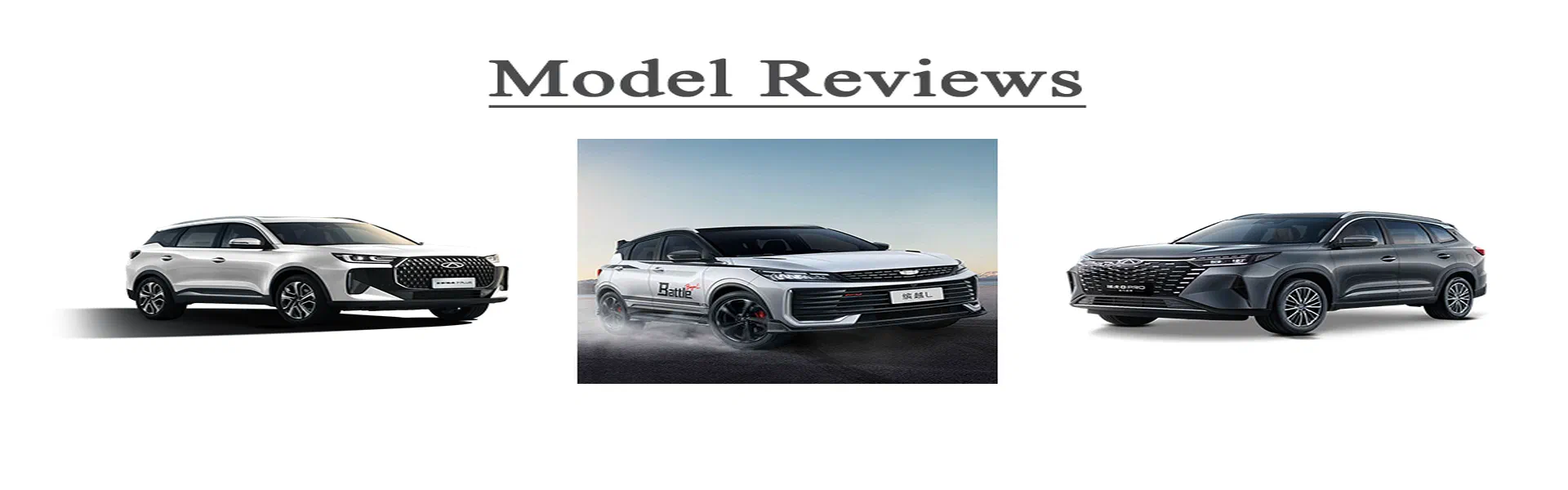
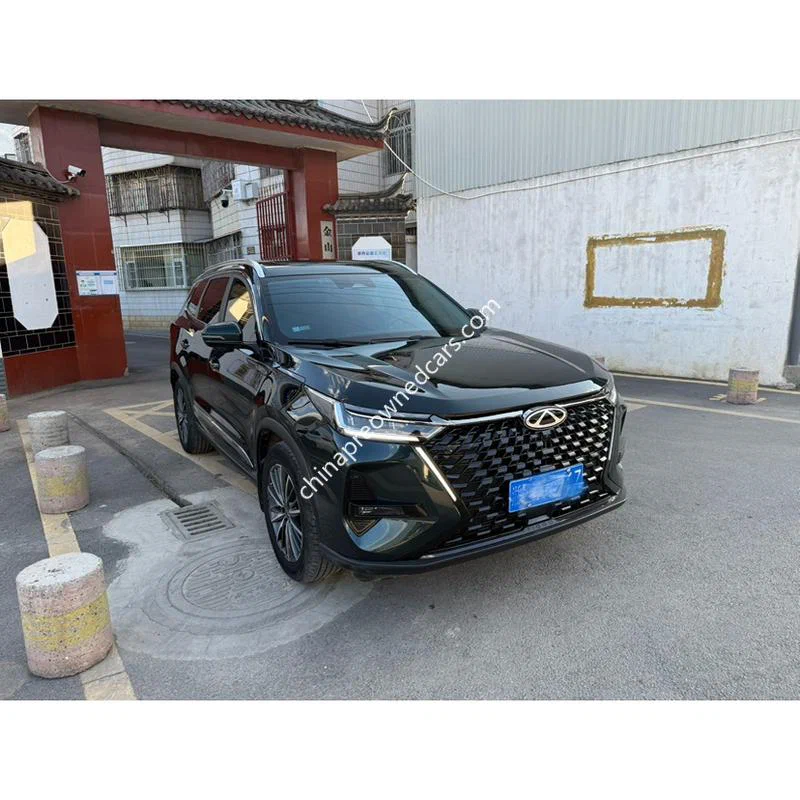
The BYD Atto 3 offers electric SUV practicality, while the Chery Tiggo 7 Plus, Chery Tiggo 8 Pro, Geely Coolray and Haval H6 provide petrol or hybrid-market alternatives depending on the specific version. Ground clearance and suspension performance vary by model. Air conditioning should be tested under sustained operation, not simply switched on briefly. Inspection should also cover underbody damage, tyres, brakes, steering, transmission operation, diagnostic fault codes and signs of previous repairs. For the Atto 3, battery state of health, charging operation and battery fault records require additional checks. No condition grade replaces a vehicle-specific report.

Export Documentation and Customs Clearance
Once the vehicle is selected, the exporter arranges pre-shipment inspection and prepares the required export paperwork. Inspection findings should be documented, with supporting certification provided where required by the destination authority. China-side procedures include export licensing, customs declaration and applicable inspection requirements.
The document package generally includes the commercial invoice, vehicle purchase or sale documentation, export declaration details, certificate of origin where required and shipping instructions. The carrier issues the bill of lading after loading. VIN details should match across the vehicle and relevant documents. Buyers in Ghana, Nigeria, Kenya, Uganda and Tanzania should confirm current rules on vehicle age, emissions, roadworthiness and left-hand-drive acceptance before payment and shipment.
RoRo Shipping, Container Loading and Port Handling
RoRo shipping suits vehicles that can be driven or moved onto a vessel under their own wheels. It is often the simpler option for standard vehicles, although exposure during port handling and the voyage should be considered. Container shipping offers enclosed transport and can reduce exposure to weather and handling risks. It may suit higher-value vehicles or shipments involving multiple units, but loading, securing and container handling add costs.
After customs release at the Chinese port, the vehicle is transferred to the shipping terminal, processed for loading and documented by the carrier. At destination, the consignee or appointed clearing agent handles arrival procedures, import duties, taxes and vehicle release. Port congestion, customs processing and vessel schedules affect the total lead time. Preparation and export handling may take several weeks, while ocean transit varies by destination and sailing route.
FAQ
Q: What certification is required before exporting a used vehicle from China?
A: The vehicle must meet applicable Chinese export inspection and documentation requirements. Additional inspection certificates may be required by the destination country.
Q: Is RoRo or container shipping better for African vehicle imports?
A: RoRo is generally suitable for individual standard vehicles, while containers provide enclosed transport and can accommodate multiple units. The choice depends on budget, vehicle value and handling requirements.
Q: How long does the complete export process take?
A: Preparation, inspection, customs clearance and vessel scheduling can take several weeks. Actual delivery time depends on the shipping route, sailing frequency and destination-port clearance.