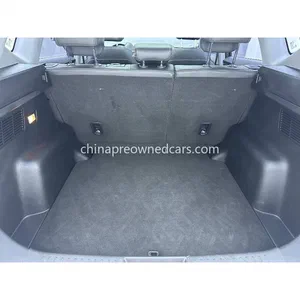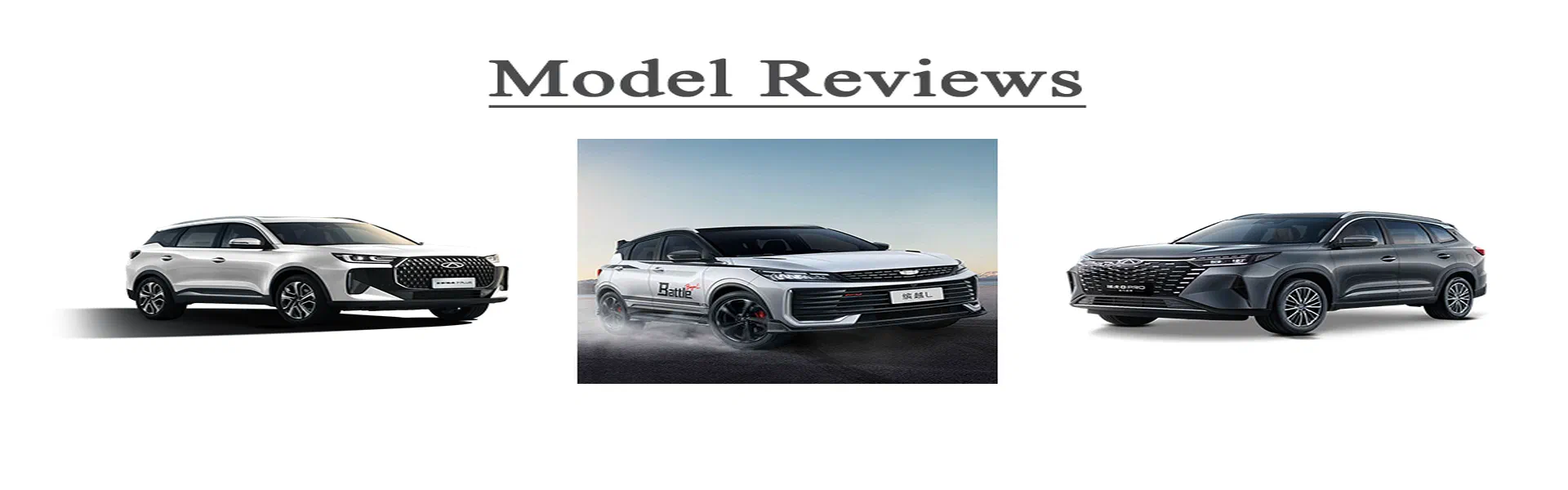
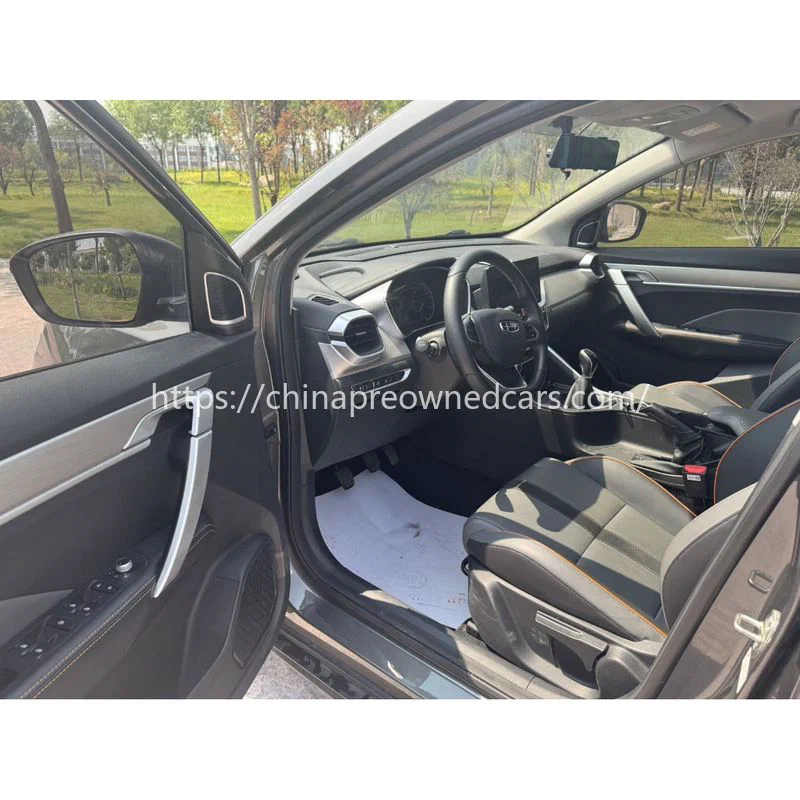
The Geely Coolray and Chery Tiggo 7 Plus occupy different positions in China’s used SUV market, particularly when assessed for export to African destinations. Their engine configurations, cabin equipment, fuel requirements and suitability for rough roads affect the total ownership cost after arrival. For buyers in Ghana, Nigeria, Kenya, Uganda and Tanzania, the comparison should also account for local servicing options and import regulations.
The Geely Coolray is a compact SUV generally equipped with a turbocharged petrol engine and automatic transmission, depending on model year and specification. Its smaller footprint makes it easier to handle in congested urban areas, while its power delivery suits regular paved-road driving. The Chery Tiggo 7 Plus is a larger SUV, with turbocharged petrol powertrain options and more cabin space. Engine output and transmission specifications vary across production years, so buyers should request the exact factory specification rather than compare model names alone. Neither vehicle is a pure electric SUV. Fuel consumption should be assessed using the specific engine, transmission, mileage and operating history. For buyers considering an electric alternative, the BYD Atto 3 requires a separate assessment of battery state of health, usable range and charging compatibility.
Road conditions create another distinction. The Tiggo 7 Plus offers a larger body and a more spacious cabin, which can suit family and passenger transport. The Coolray is more compact and may be easier to manoeuvre on narrow streets. Neither should be treated as a dedicated off-road vehicle. Ground clearance, tyre condition, suspension wear and underbody damage deserve particular attention where unpaved roads and potholes are common. In hot climates, both models should undergo air-conditioning checks, including compressor operation, cooling performance and refrigerant leaks. Inspect the turbocharger, transmission response, engine cooling system, electronic sensors and suspension components. A vehicle’s service records and diagnostic scan provide more useful evidence than appearance alone. Parts availability should also be checked locally, since access to replacement components and technicians familiar with each brand can differ between African markets.
For export selection, the exact vehicle specification matters more than a general model comparison. Most Chinese domestic-market vehicles are left-hand drive, which suits some markets but requires particular attention in countries such as Ghana, Nigeria, Kenya, Uganda and Tanzania, where right-hand-drive regulations can affect eligibility. Buyers must confirm current import rules before purchase. Vehicle age restrictions, emission standards, roadworthiness requirements and applicable duties vary by destination and may change. The Coolray and Tiggo 7 Plus use conventional petrol refuelling rather than EV charging infrastructure, so charging-standard compatibility is not a deciding factor for these two models. China’s used vehicle export process involves export licensing, pre-shipment inspection and customs declaration. Shipping can be arranged by RoRo or container, depending on vehicle dimensions, cargo arrangements and buyer requirements. When researching the best websites to sell used cars, buyers should also distinguish between listing platforms and exporters capable of handling documentation and port delivery.
A sound purchase process starts with the VIN, manufacturing date, ownership and accident history, odometer consistency and maintenance records. Request inspection photographs, a diagnostic report, cold-start evidence and confirmation of the vehicle’s actual configuration. For the Coolray, pay attention to turbocharger behaviour, transmission shifts and cooling performance. For the Tiggo 7 Plus, inspect the same mechanical systems alongside its additional electronic equipment and cabin functions. Condition grading should reflect documented findings rather than an unconditional promise of future reliability. Payment terms, inspection responsibilities, shipping arrangements and after-sales support should be agreed in writing before funds are transferred. An exporter should clarify which documents will be supplied and which import charges remain the responsibility of the destination-side buyer.

FAQ
Q: Is the Geely Coolray or Chery Tiggo 7 Plus better for African roads?
A: The Tiggo 7 Plus offers more cabin space, while the Coolray is easier to manoeuvre in urban conditions. The better choice depends on ground clearance, suspension condition, road use and local parts availability.
Q: Can both models be exported to Ghana, Nigeria, Kenya, Uganda and Tanzania?
A: Export arrangements can be considered for these markets, but import eligibility depends on current vehicle age, emissions, roadworthiness and steering-side requirements. Buyers should verify destination regulations before confirming a purchase.