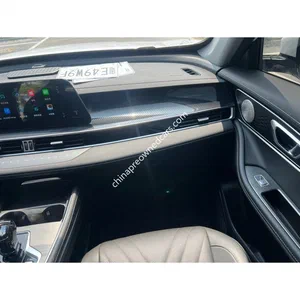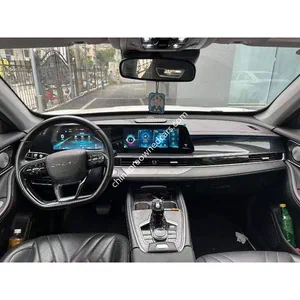
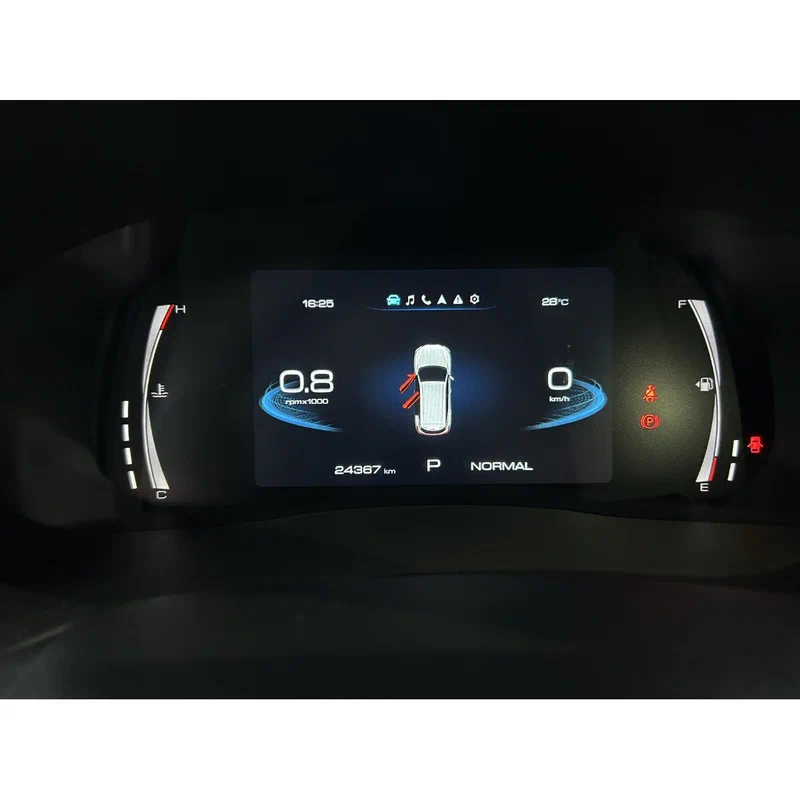
Electric vehicles (EVs) and hybrids represent a growing segment of the used vehicle market, particularly in regions such as Africa, the Middle East, and South America. For buyers looking to export these vehicles, understanding battery health is crucial. Battery state-of-health assessments, charging connector standards, and local infrastructure can significantly influence the viability and resale value of these vehicles.
Battery health is a key consideration for used electric vehicles. It affects range, performance, and ultimately, the vehicle’s resale value. Assessments should include tests for battery capacity and degradation. A battery with significant degradation may not meet the expectations of buyers in markets where long-range travel is expected. For instance, many potential buyers in markets like Ghana and Nigeria seek vehicles that can comfortably handle both urban commuting and longer trips without frequent recharging.
Charging connector standards also play a significant role in the export of electric vehicles. Different regions utilize various charging standards, such as GB/T, CCS, and CHAdeMO. For example, CCS is commonly used in Europe and parts of Africa, while GB/T is prevalent in China. Buyers should ensure that the vehicles they are sourcing will be compatible with the charging infrastructure in their destination markets. Understanding these technical specifications can aid in selecting the best used cars models for export.
Transporting electric vehicles involves compliance with strict regulations. Vehicles must adhere to battery transport regulations, such as UN 3480, which classifies lithium batteries as dangerous goods. This necessitates careful handling and proper documentation during shipping. Exporters must prepare for pre-shipment inspection and customs clearance, ensuring all relevant regulations are met. This process is essential not only for avoiding fines but also for ensuring the safe transport of vehicles.
Infrastructure for charging electric vehicles varies significantly across different regions. In many African countries, the charging network is still developing. Buyers should assess the availability of charging stations in their target markets. For example, while urban areas may have growing infrastructure, rural regions often lack adequate charging facilities. This discrepancy can impact the practicality of electric vehicles in less developed areas, making hybrids or vehicles with alternative fuel options more appealing.
Reliability is another critical factor. Models such as the BYD Atto 3 and Chery Tiggo 7 Plus have a reputation for durability and performance in varied conditions. Buyers should inquire about the vehicle’s service history and inspect common failure points. For electric vehicles, this includes the battery and electrical systems, while hybrid models may require a focus on both the combustion engine and electric components. Parts availability in local markets can also influence long-term reliability.
After-sales support is essential for any vehicle purchase, especially for used electric and hybrid models. Buyers should verify what support is available from the exporter. This includes warranty information, repair services, and access to spare parts. A robust after-sales service can enhance the buyer’s confidence, ensuring they are equipped to handle any issues that may arise post-purchase.

FAQ
Q: How can I assess the battery health of an electric vehicle before purchase?
A: Buyers should request a battery health report, including tests for capacity and degradation levels, to understand the vehicle’s performance potential.
Q: What should I consider regarding the charging infrastructure in my destination market?
A: Assess the availability and compatibility of local charging stations with the vehicle’s charging standards to ensure practicality for users.
Q: What are the key steps involved in exporting electric vehicles?
A: Key steps include obtaining the necessary export licenses, conducting pre-shipment inspections, and ensuring compliance with local customs regulations.