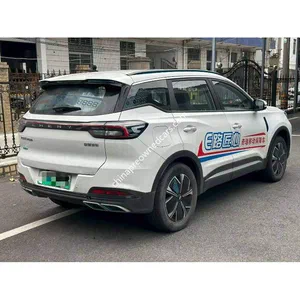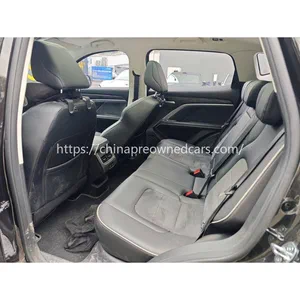
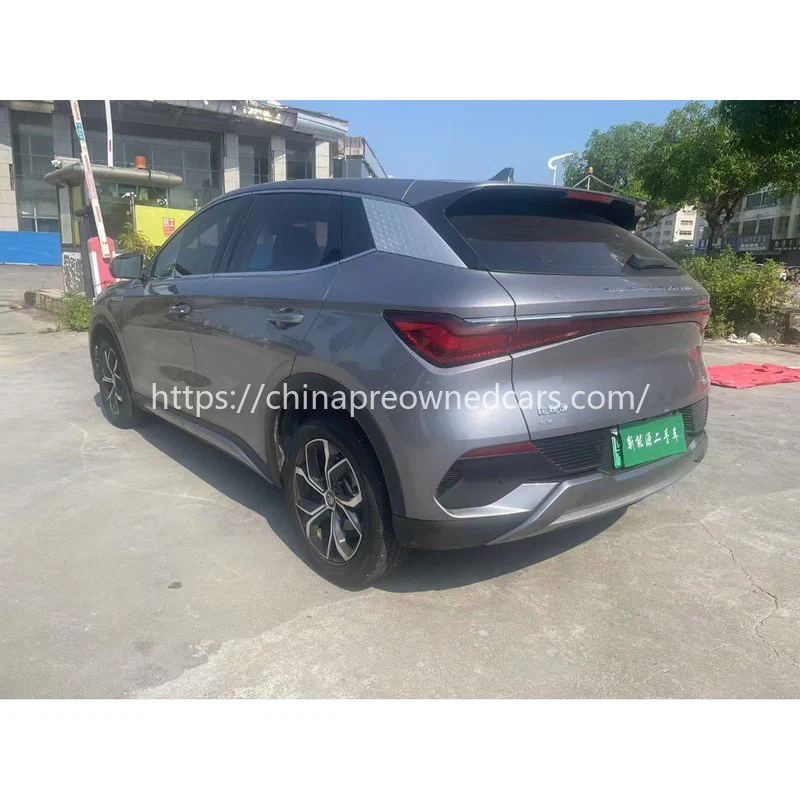
A fair export price for a used car starts with the vehicle’s verified condition, mileage, equipment and preparation costs, not simply its advertised asking price. When negotiating a price on a used car, buyers should compare equivalent vehicles and account for inspection findings, export expenses and the requirements of the destination market.
Establish a Realistic Vehicle Value

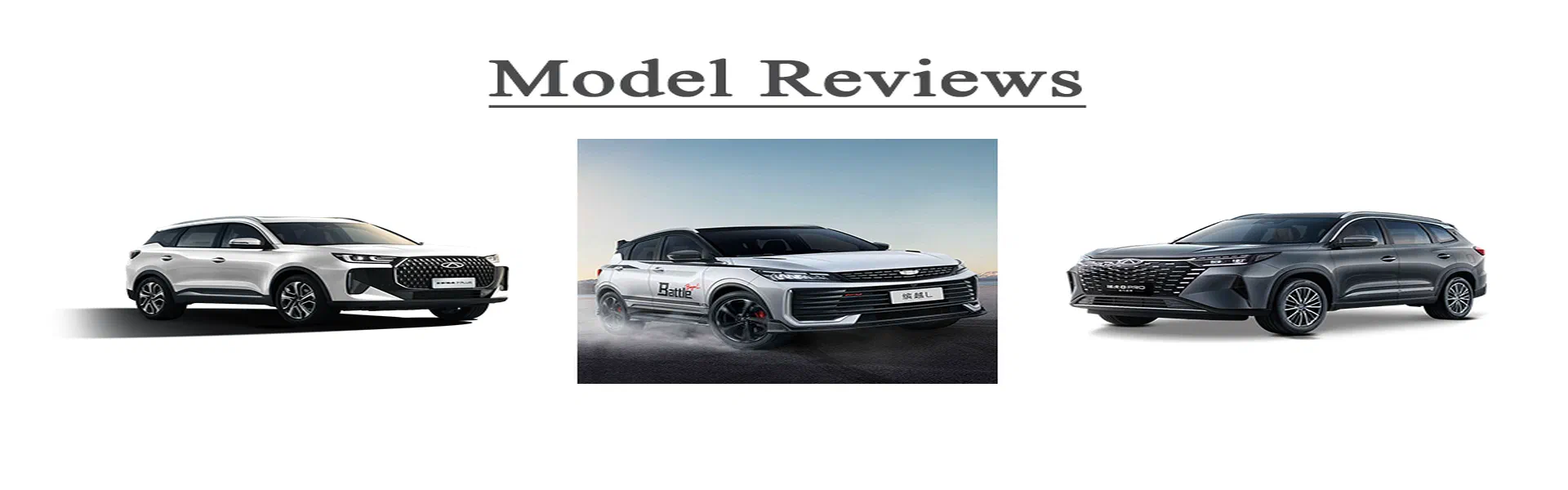
The first step is to compare vehicles of the same model, year, trim and powertrain. A BYD Atto 3 should be compared with other Atto 3 units of similar specification, rather than with a petrol SUV at a superficially similar price. The same principle applies to the Chery Tiggo 7 Plus, Chery Tiggo 8 Pro, Geely Coolray and Haval H6. Differences in equipment, production year and recorded mileage can produce substantial variations in asking prices.
For African buyers, the comparison should also consider how the vehicle will perform after arrival. Ground clearance matters on uneven roads, particularly where damaged surfaces, steep entrances and unpaved routes are common. The Haval H6 and Chery Tiggo 8 Pro offer larger SUV bodies, while the Geely Coolray is a more compact option. Buyers should examine actual clearance figures for the specific version rather than assume every trim has identical dimensions. A lower-priced vehicle may require additional attention to underbody condition before it is suitable for the intended routes.
Price comparisons should use export-ready vehicles where possible. A domestic-market listing may exclude inspection, document processing, inland transport or port handling. Another supplier’s quotation may already include some of these services. Comparing the headline figures without checking what each includes can lead to a misleading assessment of value. Request an itemised quotation that separates the vehicle cost from preparation, export handling and international freight.
Use Inspection Findings to Support Negotiation
Condition is one of the strongest grounds for adjusting an asking price. Buyers should request recent photographs, a walk-around video and an independent pre-shipment inspection report. The report should identify body repairs, paintwork differences, accident evidence, corrosion, tyre wear, suspension condition and signs of water damage. A vehicle described as having good condition should still be assessed against documented findings.
Mechanical checks deserve particular attention. On the Chery Tiggo 7 Plus, Tiggo 8 Pro, Geely Coolray and Haval H6, inspectors should examine engine operation, transmission response, cooling performance, steering, suspension and braking. Leaks, unusual noises, warning lights and inconsistent transmission behaviour can indicate repair costs that affect the vehicle’s value. In hot climates, the air-conditioning system should be tested under operating conditions, not merely switched on briefly. Cooling performance, radiator condition and evidence of previous overheating also deserve attention.
Electric vehicles require a different inspection approach. For the BYD Atto 3, buyers should request a battery state-of-health assessment and check the battery management system for fault records. Charging performance, connector condition, thermal management and the operation of the cabin cooling system should also be examined. Battery condition has a direct effect on the vehicle’s remaining practical range and resale value. If the assessment identifies reduced capacity or unresolved faults, the findings provide a reasonable basis for renegotiation. Battery transport and shipping requirements should also be confirmed before the export arrangement is finalised.
A useful negotiation method is to connect each requested price adjustment to a specific finding. Instead of making a general claim that the vehicle is overpriced, identify the repair or replacement item, obtain a reasonable estimate and explain how it changes the purchase value. Normal wear should be distinguished from defects requiring repair. This creates a clearer basis for discussion and reduces disagreements during final inspection.
Account for African Market Suitability and Export Costs
A vehicle’s purchase price should reflect its intended destination. Ghana, Nigeria, Kenya, Uganda and Tanzania have different import requirements, including rules concerning vehicle age, emissions, roadworthiness and documentation. These rules can change, so buyers should confirm current requirements with the relevant authorities or a qualified customs agent before committing to a purchase. Most Chinese domestic-market vehicles are left-hand drive. This is an important consideration for markets where right-hand-drive vehicles are required or preferred, and buyers should confirm that the selected configuration is eligible for import and registration.
Climate and local servicing conditions also affect the practical value of a used SUV. Strong air-conditioning performance is important in hot operating environments, while suspension components, tyres and underbody protection deserve attention where roads are rough. Parts availability should be checked before purchase. Buyers should ask local distributors or repair workshops whether commonly serviced components, such as brake pads, filters, suspension parts and electronic components, can be obtained without excessive delays. A model with an attractive purchase price may become expensive to operate if replacement parts are difficult to source.
The export quotation needs to account for more than the vehicle itself. Chinese used vehicle exports require the appropriate export licensing, customs declaration and pre-shipment inspection. Buyers should establish which party is responsible for each stage and whether the quoted amount includes inland transport, port charges, documentation and shipping. RoRo shipping generally involves driving or loading the vehicle onto a specialised vessel, while container shipping places it inside a freight container. The choice depends on vehicle dimensions, route availability, cargo protection requirements and total freight cost.
Payment terms should follow a documented transaction process. Buyers can request the vehicle identification number, ownership and export documentation details, inspection findings and a written breakdown of charges before transferring funds. The agreed payment schedule should specify when the deposit is due, what conditions apply to the balance and which documents will be provided at each stage. Any material difference between the inspected vehicle and the agreed specification should be addressed before final payment. Shipping lead times should be treated as estimates because vessel schedules, customs processing and port conditions can change.
For exporters sourcing Chinese SUVs, price discussions are most productive when both sides work from the same vehicle specification and inspection evidence. Buyers should also agree on how defects discovered before shipment will be handled, whether repairs or price adjustments are acceptable, and what after-sales assistance is available for documentation or technical enquiries. These terms should appear in the purchase agreement rather than remain informal promises. A lower purchase figure is not necessarily a better deal if it excludes essential export services or leaves unresolved condition issues with the buyer.
FAQ
Q: What is the best way to negotiate a used SUV export price?
A: Compare equivalent models and specifications, then use inspection findings and itemised export costs to support any requested adjustment.
Q: Should battery health affect the price of a used BYD Atto 3?
A: Yes. Battery state of health, charging performance and recorded faults affect the vehicle’s remaining usability and should be assessed before agreeing on a price.
Q: Are export and shipping costs normally included in the vehicle price?
A: Not necessarily. Buyers should confirm whether the quotation includes inspection, export documentation, customs handling, port charges and RoRo or container freight.