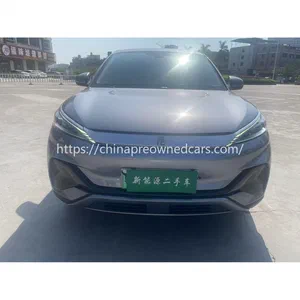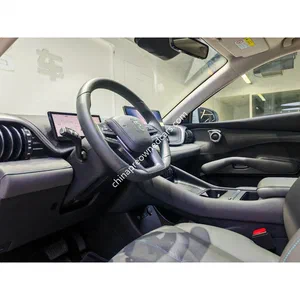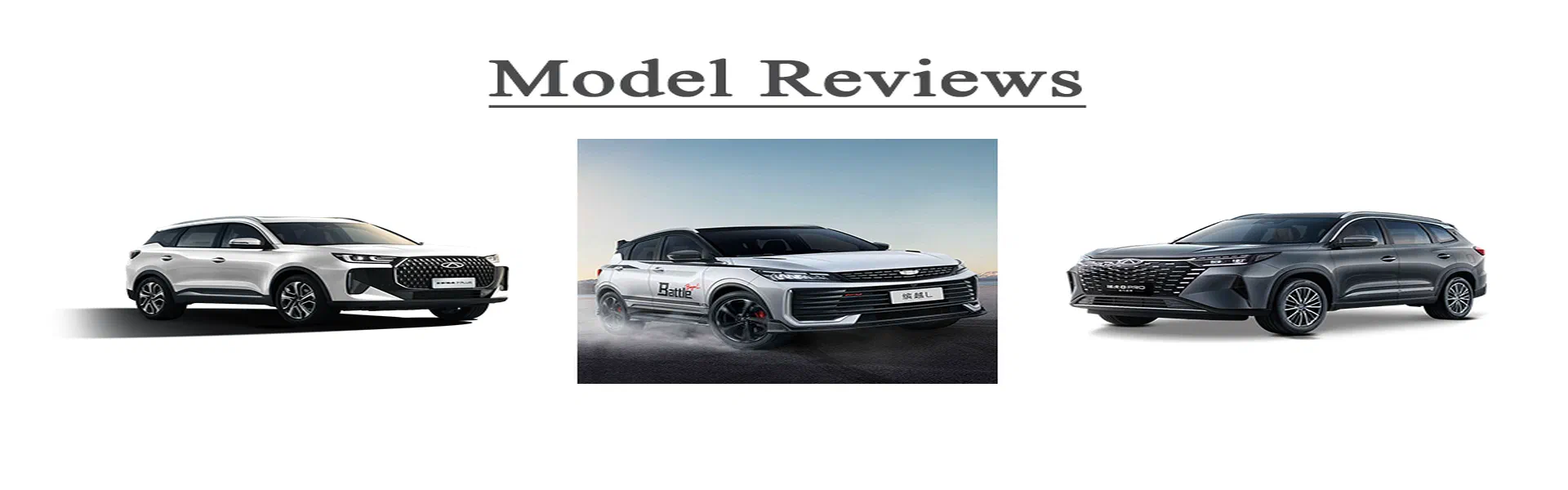

Exporting electric and hybrid vehicles requires careful consideration of various factors, particularly when targeting markets in Africa, the Middle East, and South America. This article provides insight into key aspects such as vehicle specifications, export procedures, and market-specific requirements, focusing on models like the BYD Atto 3, Chery Tiggo 7 Plus, Chery Tiggo 8 Pro, Geely Coolray, and Haval H6.
Vehicle Specifications and Features

When evaluating electric SUVs for export, buyers should assess battery state-of-health, which is crucial for determining the vehicle’s performance and longevity. Battery assessments often utilize specific metrics such as capacity, charge/discharge cycles, and degradation rates. Buyers should also be aware of the charging standards accepted in their destination markets, including GB/T, CCS, and CHAdeMO. Understanding which standards are compatible with local infrastructure can influence charging convenience and costs.
Export Procedures
The process of exporting used electric vehicles involves several logistical steps. Pre-shipment inspections are mandatory to ensure compliance with safety and emission regulations, which may vary by destination. Documentation must include export licenses, customs declarations, and inspection reports. Vehicles can be shipped either as RoRo (Roll-on/Roll-off) or in containers, with each method having implications for shipping costs and delivery timelines. Typically, shipping lead times vary based on the destination port and shipping method, usually ranging from 15 to 25 days.
Market-Specific Requirements
Each destination market has its own set of import regulations regarding vehicle age, emission standards, and drive side configurations. Most vehicles from China are left-hand drive, which may not be suitable for markets that require right-hand drive. It is critical for buyers to verify current regulations governing importation, including any restrictions related to battery health and vehicle condition. Additionally, potential buyers should consider the local charging infrastructure, as this can significantly impact the usability of electric vehicles.
Practical Buyer Guidance
Before finalizing a purchase, buyers should conduct thorough verification processes. This includes a pre-purchase inspection to evaluate the vehicle’s overall condition, including wear and tear on key components. Additionally, understanding the resale value is essential, as factors like battery degradation and range can affect marketability in competitive environments. Buyers should also clarify payment terms upfront to avoid misunderstandings later in the process.
Common Failure Points and Reliability
When sourcing used electric SUVs, reliability is a vital consideration. Common failure points may include battery management systems, electric drive components, and software issues. It is advisable to check for service history and parts availability in local markets to ensure long-term maintenance. The Chery Tiggo 7 Plus and Haval H6, for instance, have shown reliability in various conditions, making them suitable candidates for export to regions with challenging terrains and climates.
FAQ
Q: What should I check before purchasing a used electric vehicle for export?
A: Buyers should verify battery state-of-health, inspect the vehicle’s overall condition, and ensure compliance with local import regulations.
Q: How long does it typically take to ship a vehicle from China to Africa?
A: Shipping lead times usually range from 15 to 25 days, depending on the shipping method and destination port.