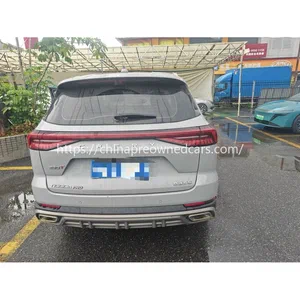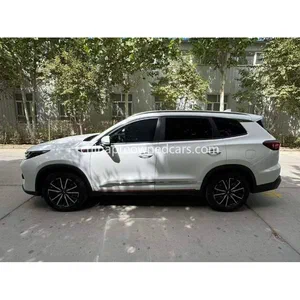
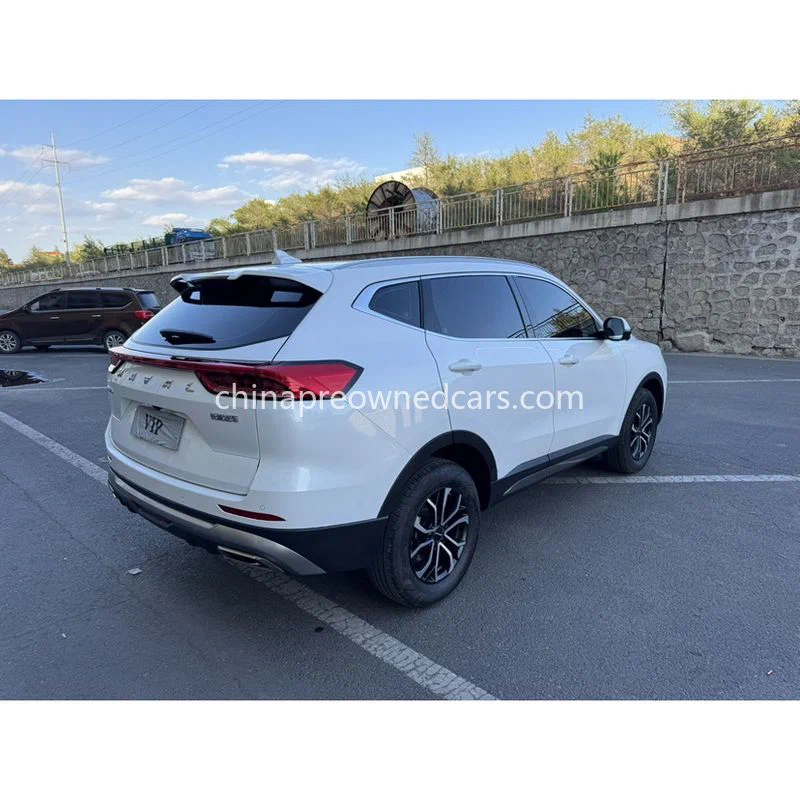
Exporting used electric cars involves a detailed workflow that begins with pre-shipment inspections. These inspections are crucial to ensure that each vehicle meets the destination market’s requirements. The checks typically include assessing the vehicle’s overall condition, battery health, and functionality of key components. In addition, exporters must secure appropriate certifications, which may vary depending on the export destination. For example, documentation might be needed to prove that the vehicle complies with local emission standards and safety regulations.
Once the inspection is completed, the next step is export documentation. This includes preparing a customs declaration, which outlines the vehicle’s specifications and value, as well as a bill of lading that serves as a receipt for the goods being shipped. A certificate of origin may also be required, detailing the vehicle’s country of manufacture. These documents are essential for customs clearance at the destination port, ensuring that the vehicle meets the local import regulations. Buyers should confirm the specific documentation requirements for their country to avoid delays.

Shipping methods play a critical role in the export process. Vehicles can be shipped via Roll-on/Roll-off (RoRo) or loaded into containers. RoRo shipping tends to be more cost-effective and is suitable for larger shipments; however, it exposes vehicles to potential damage from weather and handling. Container shipping offers better protection but may incur higher costs. The choice of shipping method often depends on the destination market and the value of the vehicles being transported. For example, more valuable models may warrant the additional protection of container shipping. Shipping lead times usually vary, but a typical range can be around 15 to 25 days, depending on the origin and destination ports.
For markets such as Ghana, Nigeria, and Kenya, buyers should be aware of specific requirements. Most vehicles in the inventory are left-hand drive, which aligns with the driving regulations in these regions. However, potential buyers must verify and comply with local emission standards, vehicle age limits, and other import regulations, as these can change frequently. It’s advisable to conduct thorough checks on the vehicle’s condition, including mileage and maintenance history, before finalizing a purchase. After-sales support may also be available, depending on the exporter, to assist with any issues post-delivery.
FAQ
Q: What should I check during the pre-purchase inspection?
A: Buyers should verify the vehicle’s overall condition, battery health, and functionality of critical components, along with maintenance history.
Q: How long does shipping usually take?
A: Shipping lead times typically range from 15 to 25 days, but this can vary based on the origin and destination ports.
Q: Are there specific regulations for importing used electric cars?
A: Yes, regulations can vary by country, covering aspects such as emission standards, vehicle age limits, and documentation requirements. It’s essential to confirm the current rules for your destination.