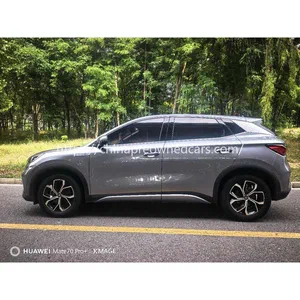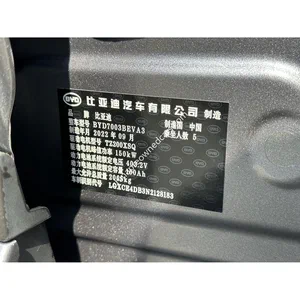

Sourcing quality used vehicles from China requires understanding several key processes, especially for models like the BYD Atto 3 and Chery Tiggo 7 Plus. This article outlines the export workflow, covering pre-shipment inspections, necessary documentation, shipping methods, and market-specific considerations relevant to African destinations such as Ghana and Nigeria.
Pre-shipment inspections are critical to ensure that vehicles meet the required standards before exporting. Inspections typically cover vehicle condition, mileage, and operational functionality. Certification from a recognized authority is usually required to confirm the vehicle’s roadworthiness and compliance with destination regulations. Buyers should verify the inspection results and ensure that they receive all necessary documentation, including a customs declaration and a certificate of origin.

Export documentation plays a significant role in the shipping process. Key documents include the bill of lading, which serves as a receipt for the shipment, and the customs declaration, which must be accurately completed to avoid delays. Depending on the shipping method—RoRo (Roll-on/Roll-off) or container shipping—additional documentation may be necessary. RoRo is often more cost-effective for larger shipments but carries a higher risk of damage during transit. Container shipping, while typically more expensive, offers better protection for vehicles.
Shipping lead times can vary based on the destination and shipping method. Generally, the process takes several weeks, with typical transit times ranging from 15 to 25 days. Port handling at the destination involves customs clearance, which can be complex and time-consuming. Buyers should be prepared for potential delays and ensure they have all necessary paperwork ready for a smoother transition through customs.
When considering models like the Haval H6 or Geely Coolray for export, it’s essential to assess their suitability for African roads. Ground clearance is a key factor, especially in rural areas with rough terrain, while climate control features are critical for hot climates. Additionally, understanding the vehicle’s reliability track record and parts availability in the destination market can guide informed purchasing decisions. Common failure points should also be inspected thoroughly to ensure a sound investment.
FAQ
Q: What are the main documents required for exporting vehicles from China?
A: The main documents include a customs declaration, bill of lading, and certificate of origin. Additional requirements may vary by destination.
Q: How long does shipping typically take for used vehicles?
A: Shipping lead times usually range from 15 to 25 days, depending on the shipping method and destination.
Q: What should buyers check regarding vehicle condition before purchase?
A: Buyers should verify the inspection results, check for any signs of damage, and ensure that all features are operational.