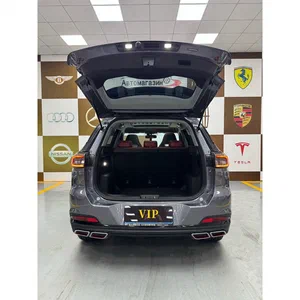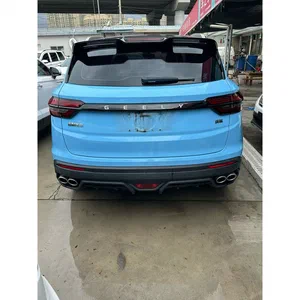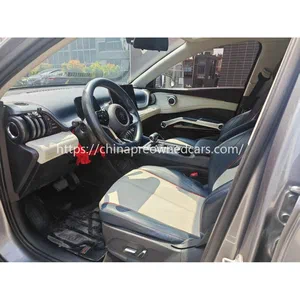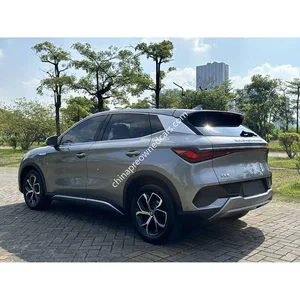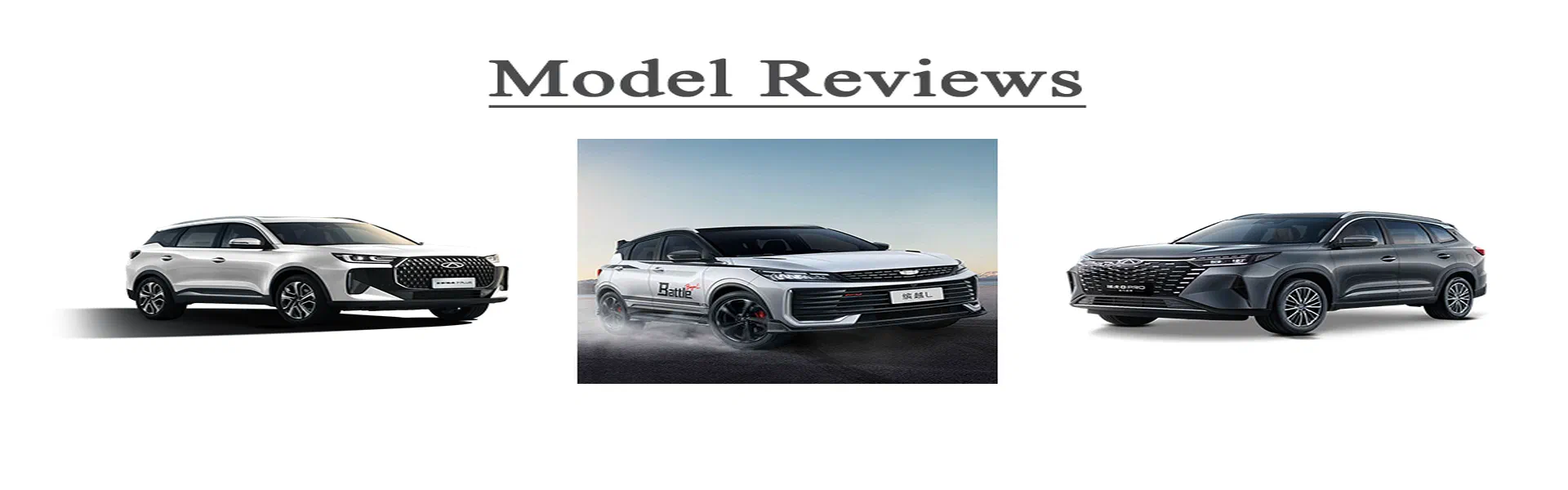
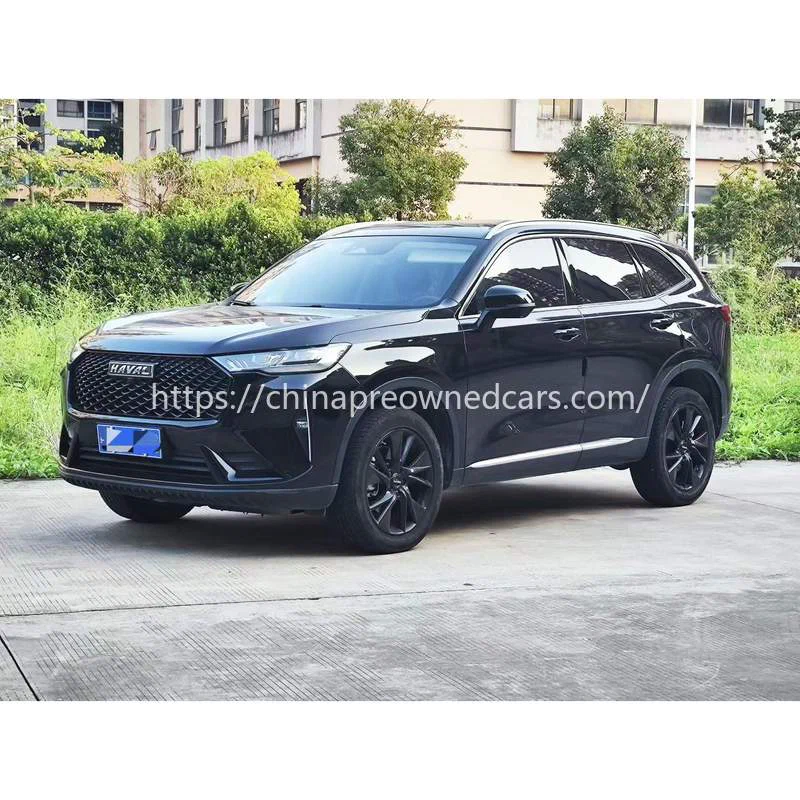
Choosing between an electric SUV and a hybrid SUV under $20,000 for export to Africa requires more than comparing purchase prices. Powertrain design, battery condition, ground clearance, charging access and destination-country import rules all affect the vehicle’s suitability. For buyers considering used vehicles under 20k, the BYD Atto 3, Chery Tiggo 7 Plus, Chery Tiggo 8 Pro, Geely Coolray and Haval H6 offer different ownership and operating considerations.
EV and hybrid SUVs: the practical differences
The BYD Atto 3 is the fully electric option in this inventory. Its main advantage is the absence of a combustion engine, which removes routine engine oil changes and reduces the number of conventional drivetrain components requiring maintenance. However, battery condition becomes a central purchasing consideration. A used Atto 3 should undergo a battery state-of-health assessment, with particular attention to usable capacity, charging performance, cell imbalance and any battery management system warnings. Advertised driving range is not a reliable substitute for measured battery performance. Air-conditioning use, high temperatures, driving speed and road conditions can all reduce practical range.
Hybrid and conventional petrol SUVs involve a different set of trade-offs. The Chery Tiggo 7 Plus, Chery Tiggo 8 Pro, Geely Coolray and Haval H6 should be assessed according to their exact engine and drivetrain configurations. Buyers should distinguish mild-hybrid, full-hybrid and plug-in hybrid specifications rather than treating all electrified vehicles as equivalent. A conventional hybrid generally offers more flexibility where charging facilities are limited, while a plug-in hybrid requires access to suitable charging to make full use of its electric driving capability. Fuel consumption also depends on traffic, load, road gradient and maintenance history. For buyers operating vehicles outside major cities, these factors can matter more than laboratory consumption figures.
The budget category also requires careful interpretation. A vehicle advertised below $20,000 may not remain within that amount after export-related expenses. Inspection, inland transport, export documentation, customs processing, freight, insurance and destination charges affect the landed cost. The appropriate comparison is therefore between complete vehicle specifications and estimated landed costs, not simply the advertised purchase price. Buyers should request an itemised quotation and establish whether shipping, port charges and destination duties are included or excluded.
Suitability for African roads and ownership conditions
Ground clearance and suspension condition deserve particular attention when evaluating SUVs for Ghana, Nigeria, Kenya, Uganda and Tanzania. Potholes, uneven secondary roads and occasional unpaved routes place additional demands on tyres, suspension joints, shock absorbers and underbody protection. The Tiggo 8 Pro offers a larger cabin and additional passenger capacity, making it relevant for family or commercial applications. The Tiggo 7 Plus provides a more compact alternative. The Coolray is smaller and may suit urban driving, although buyers should assess its clearance and tyre configuration against their intended routes. The Haval H6 is another practical SUV candidate, with the exact engine and equipment specification determining its suitability. None should be treated as an off-road vehicle without checking the actual drivetrain and underbody configuration.
Climate control is another operational consideration. High ambient temperatures and prolonged air-conditioning use can affect both fuel consumption and EV range. Before purchase, test the air-conditioning system at idle and during a road test, checking cooling speed, compressor noise, airflow consistency and temperature stability. Inspect the radiator, cooling fans, coolant condition and visible signs of leakage. On electric vehicles, the battery thermal-management system also deserves attention. A vehicle that cools its cabin effectively but has unresolved battery cooling faults may create more serious ownership costs later.
Parts availability and repair capacity should influence the model selection. Chinese-brand vehicles have different levels of service coverage across African markets, and availability cannot be assumed to be identical between countries. Buyers should check whether local workshops can access diagnostic equipment, electronic control modules, suspension components, body panels and model-specific software. For the Atto 3, battery diagnostics and high-voltage repair capability are particularly important. For petrol and hybrid models, inspect the transmission, engine cooling system, turbocharger where fitted, electronic sensors and hybrid components where applicable. A documented service history helps identify recurring repairs, but independent inspection remains necessary.
Drive configuration can determine whether an otherwise suitable vehicle is importable. Most vehicles sourced from China’s domestic market are left-hand drive. This suits some markets and applications, but Ghana, Nigeria, Kenya, Uganda and Tanzania generally operate right-hand-drive road systems. Buyers must therefore verify each destination’s current rules on steering position, vehicle age, emissions, roadworthiness and registration before committing to a purchase. A left-hand-drive vehicle should not be assumed eligible simply because it can physically be shipped to the destination. Sourcing a right-hand-drive specification, where available, requires separate confirmation.

Export preparation should establish the vehicle’s identity and condition before shipment. Buyers should request the VIN, registration and ownership documentation, service records where available, mileage evidence and a detailed inspection report. The inspection should cover accident repairs, chassis damage, corrosion, tyre wear, warning lights, transmission operation and diagnostic fault codes. For the Atto 3, request battery state-of-health information and charging tests. For hybrid vehicles, check both the combustion engine and electrical drive components. China’s used vehicle export process requires the appropriate export licensing, customs declaration and pre-shipment inspection. Vehicles can be shipped by RoRo or in containers, depending on dimensions, routing, cargo arrangements and buyer requirements. Export documentation and payment milestones should be agreed before dispatch, while freight schedules and destination clearance arrangements should be confirmed with the relevant shipping and customs providers.
FAQ
Q: Is an electric SUV or hybrid SUV more suitable for African export markets?
A: A hybrid or petrol SUV may be easier to operate where charging infrastructure is limited. The BYD Atto 3 can suit buyers with dependable charging access and local high-voltage service support.
Q: What should buyers verify before importing a used Chinese SUV?
A: Check the VIN, vehicle history, mechanical condition, mileage evidence, battery health where applicable, steering configuration and destination import requirements. Also confirm export documentation, shipping arrangements and the estimated landed cost before payment.