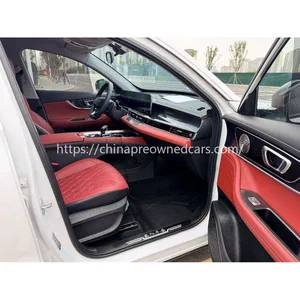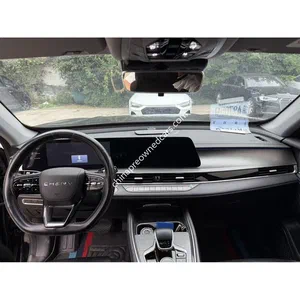
The best way to buy a second-hand car for export involves thorough research and understanding of the vehicle’s specifications, export processes, and market requirements. This guide will provide essential details on buying Chinese-brand electric and hybrid SUVs suitable for markets in Africa, particularly Ghana, Nigeria, Kenya, Uganda, and Tanzania.
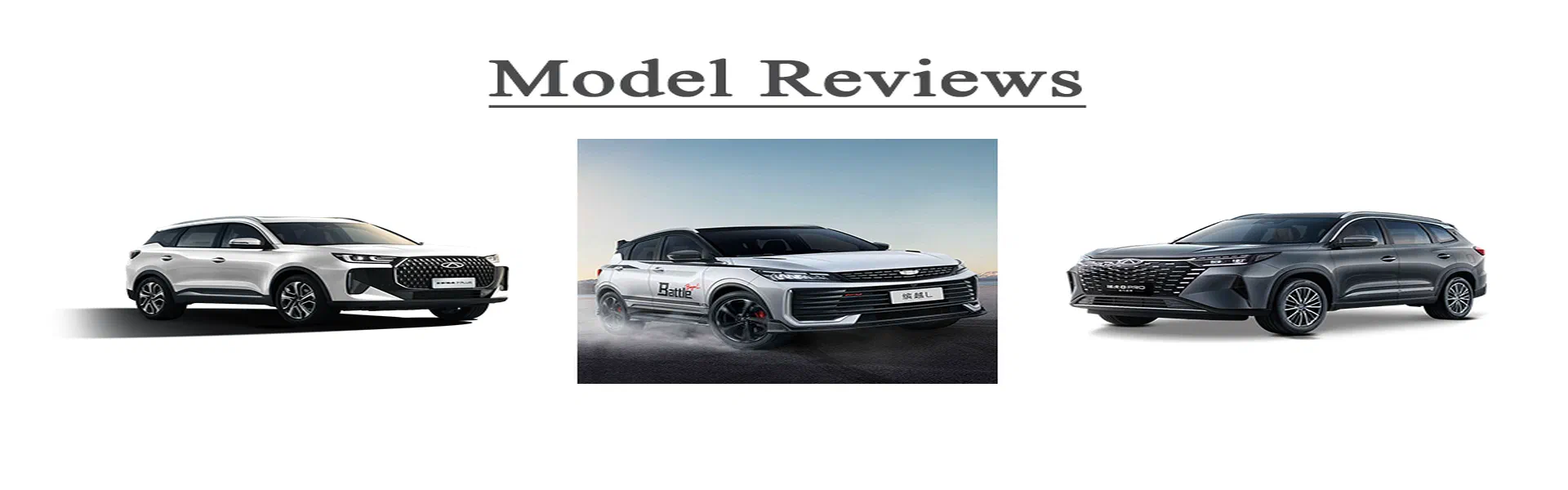
When considering a second-hand vehicle, factors such as model reliability, features, and condition grading are crucial. Models like the BYD Atto 3, Chery Tiggo 7 Plus, Chery Tiggo 8 Pro, Geely Coolray, and Haval H6 are popular among buyers for their performance and suitability for rough terrains. For instance, the Haval H6 offers notable ground clearance, making it effective on unpaved roads commonly found in various African regions. Buyers should assess these specifications to ensure the chosen vehicle can handle local driving conditions.
The vehicle’s climate control system is another important aspect. Given the often hot weather in target markets, effective air conditioning is essential for driver and passenger comfort. Electric models like the BYD Atto 3 not only provide modern amenities but also contribute to reduced emissions, aligning with the growing demand for environmentally friendly vehicles. Understanding the reliability track record of each model can further inform the choice, as parts availability and common failure points may vary.
Export procedures are complex and involve multiple steps that buyers must understand. Vehicles require export licensing, customs clearance, and pre-shipment inspection. Knowing these requirements helps ensure a smooth purchasing experience. Buyers should verify that the vehicle has passed the necessary inspections and that it complies with the destination country’s regulations. Shipping methods such as RoRo (Roll-on/Roll-off) and container shipping each have their pros and cons; buyers should choose based on their specific needs and logistics preferences.
Market-specific requirements also play a significant role in the purchasing process. Most vehicles in the inventory are left-hand drive, which is suitable for most African countries but may not be ideal for every market. Additionally, emission standards and vehicle age limits can differ significantly between countries. It’s advisable to confirm the current rules for importation in the respective target country, as these regulations can change frequently.
Before finalizing a purchase, potential buyers should conduct thorough inspections of the vehicle. Key areas to inspect include the battery health in electric models, overall condition, and any signs of wear or previous damage. Understanding the vehicle’s history can aid in determining its reliability and longevity. After purchasing, consider the payment terms and shipping lead times, which usually range from 15 to 25 days depending on the chosen shipping method.

After-sales support is another vital consideration. Establishing a relationship with the exporter can provide ongoing assistance, including warranty options, maintenance recommendations, and access to spare parts. A reliable exporter will typically offer guidance on local service centers or technicians familiar with the vehicle model.
FAQ
Q: What should I check before purchasing a used vehicle for export? A: Inspect the vehicle’s condition, verify its history, and ensure it meets the destination country’s import regulations.
Q: How long does shipping usually take for used vehicles? A: Shipping lead times typically range from 15 to 25 days, depending on the shipping method chosen.