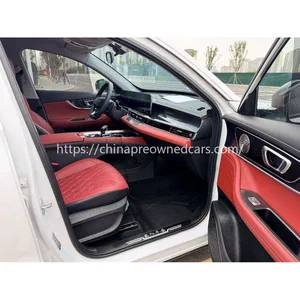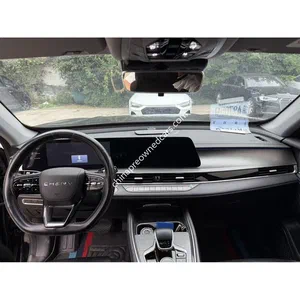
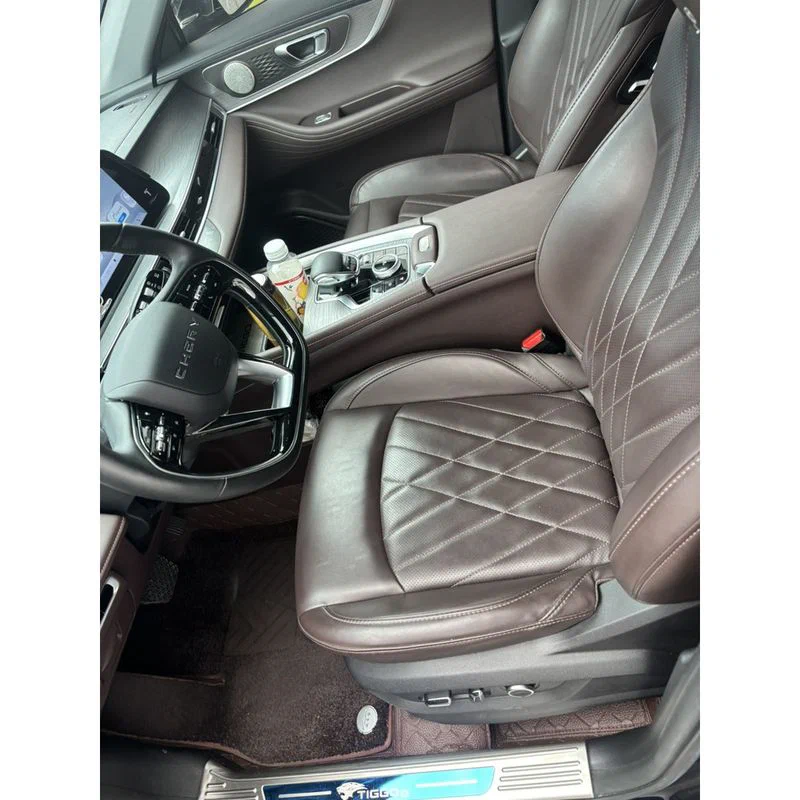
A top used car dealer for exports should prioritize quality vehicles and transparency in their offerings. Buyers should look for a dealer who conducts thorough inspections and provides detailed documentation about the vehicles. This includes not only the car’s specifications but also its condition, history, and suitability for the target market.
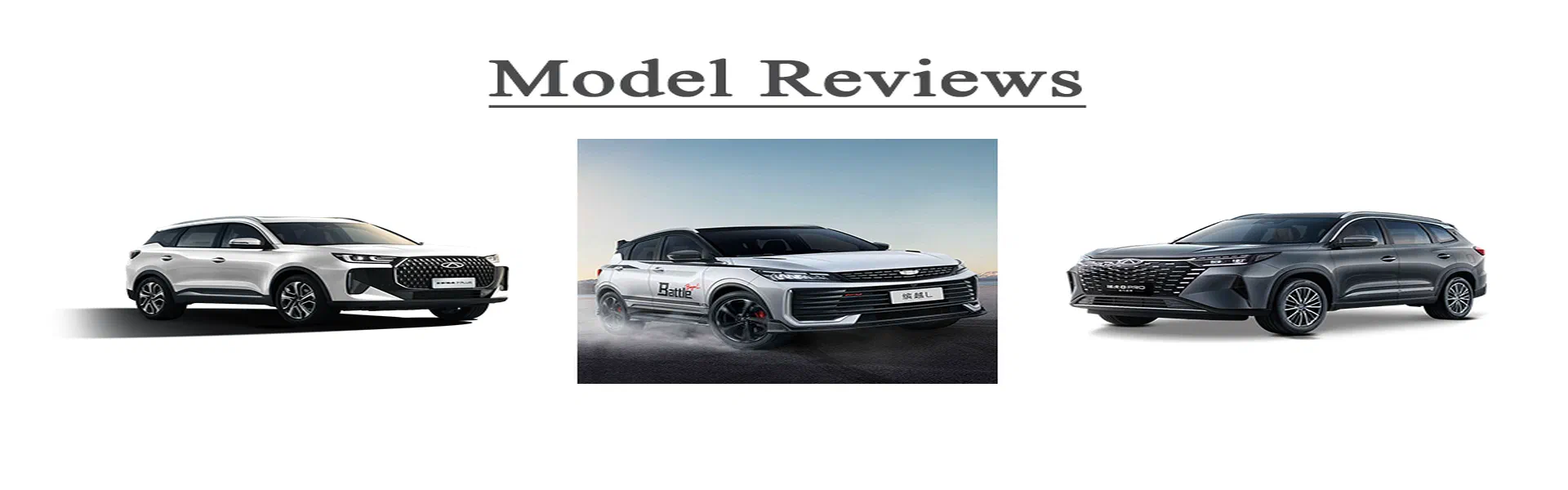
Models such as the BYD Atto 3, Chery Tiggo 7 Plus, Chery Tiggo 8 Pro, Geely Coolray, and Haval H6 are popular choices for export to markets in Africa due to their reliability and features that cater to various driving conditions. These vehicles typically offer adequate ground clearance for rough terrain, essential in many African countries, and climate control systems designed to handle high temperatures. When assessing a vehicle, buyers should also consider the availability of parts in their respective markets, as this can significantly impact maintenance and repair costs.
Export procedures play a crucial role in the purchasing process. Vehicles must undergo a pre-shipment inspection to ensure they meet the necessary quality standards before leaving China. This inspection usually covers vehicle condition, compliance with emission standards, and overall roadworthiness. Following inspection, the necessary documentation, including export licenses and customs declarations, must be prepared. Understanding the logistics of RoRo (Roll-on/Roll-off) shipping versus container shipping is also essential. RoRo is often more cost-effective for larger vehicles, while container shipping provides added security for high-value cars.
Destination markets often impose specific regulations regarding vehicle age, emission standards, and drive side compatibility. Most vehicles in the inventory are left-hand drive, making them suitable for countries like Ghana, Nigeria, Kenya, Uganda, and Tanzania. However, buyers should verify the latest import regulations for their target market, as these can change frequently and may require specific compliance measures.
Potential buyers should conduct due diligence before purchasing a used vehicle. This includes verifying the vehicle identification number (VIN) for any discrepancies in history reports, ensuring that the mileage matches the condition of the vehicle, and checking for any signs of previous damage. Buyers should also pay attention to common failure points, such as battery health in electric vehicles and the condition of tires and suspension systems.
Payment terms are another factor that can influence the purchasing decision. Buyers should inquire about acceptable payment methods and any financing options that may be available. Additionally, understanding shipping lead times is crucial; typically, it can take around 15-25 days for vehicles to arrive at destination ports after shipping. Buyers should factor in these timelines when planning their vehicle purchases.

After-sales support is essential for buyers, especially when importing vehicles from overseas. A reliable dealer should offer assistance with any post-purchase issues, including warranty services and parts availability. This support can be invaluable for ensuring the longevity and performance of the vehicle in its new environment.
FAQ
Q: What should I check before purchasing a used vehicle for export?
A: Verify the vehicle’s VIN, inspect its condition, and confirm mileage accuracy. Additionally, check for previous damage and ensure parts availability in your market.
Q: How long does shipping typically take for exported vehicles?
A: Shipping usually takes around 15-25 days, depending on the method chosen and the destination port.
Q: What are common failure points to inspect in electric vehicles?
A: Common failure points include battery health and condition, as well as the functionality of electric components and systems.