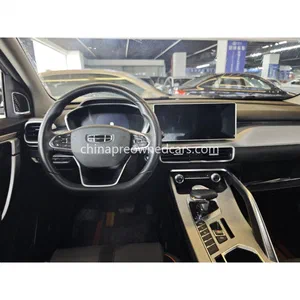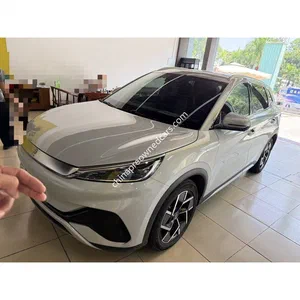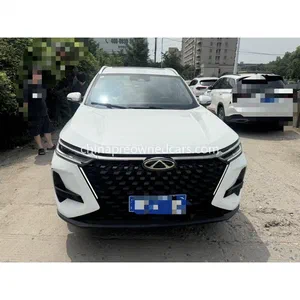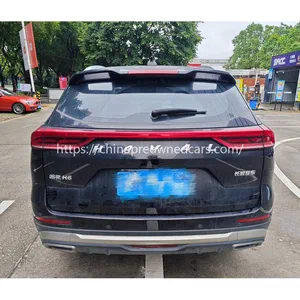
The BYD Atto 3 and Geely Coolray represent two different ownership and export options: a battery-electric SUV and a petrol-powered SUV. For buyers shipping vehicles from China to Ghana, Nigeria, Kenya, Uganda or Tanzania, the decision involves more than purchase cost. Powertrain compatibility, local servicing, charging access and shipping arrangements all affect the final operating cost.
Powertrain and Destination Compatibility

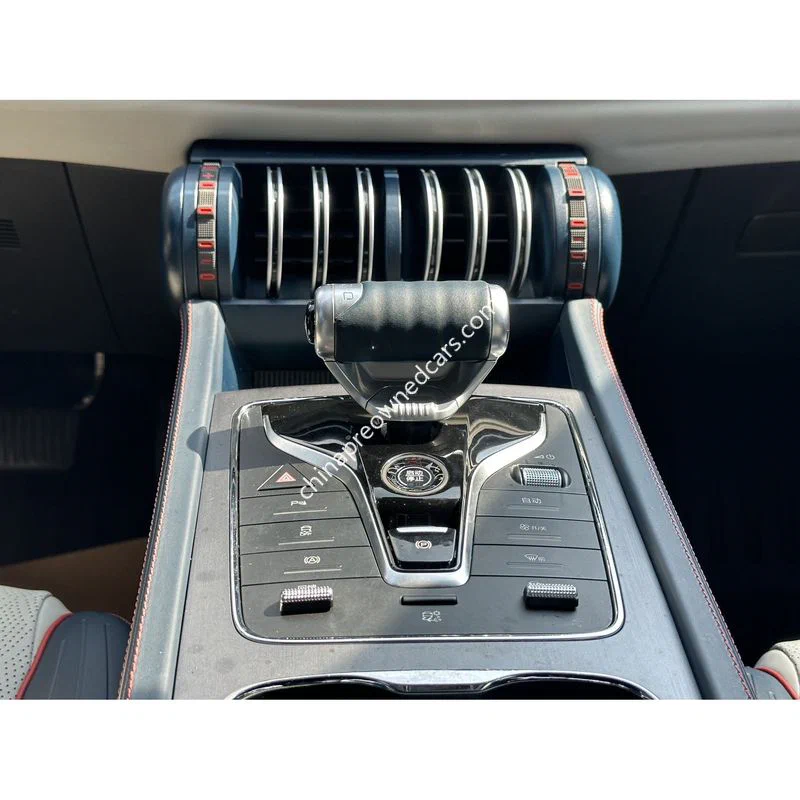
The BYD Atto 3 uses a fully electric powertrain, while the Geely Coolray uses a petrol engine. The Atto 3 produces no tailpipe emissions and avoids dependence on imported petrol during daily operation. Its practical range, however, depends on battery condition, driving speed, climate and air-conditioning use. Buyers should request a battery state-of-health assessment, charging history and confirmation of the vehicle’s charging connector standard. Local charging infrastructure and electricity reliability also need checking.
The Coolray offers conventional refuelling, which can be more practical where public charging remains limited. Fuel consumption depends on engine condition, transmission behaviour and driving conditions. Emission compliance must be checked against the destination’s current import rules. Ghana, Nigeria, Kenya, Uganda and Tanzania each have their own requirements concerning vehicle age, emissions and roadworthiness. Most Chinese domestic-market vehicles are left-hand drive. Buyers should confirm whether LHD vehicles are permitted before arranging shipment. A certified used car vs used comparison should also distinguish documented inspection from any unsupported guarantee of condition.
Shipping from China to West Africa
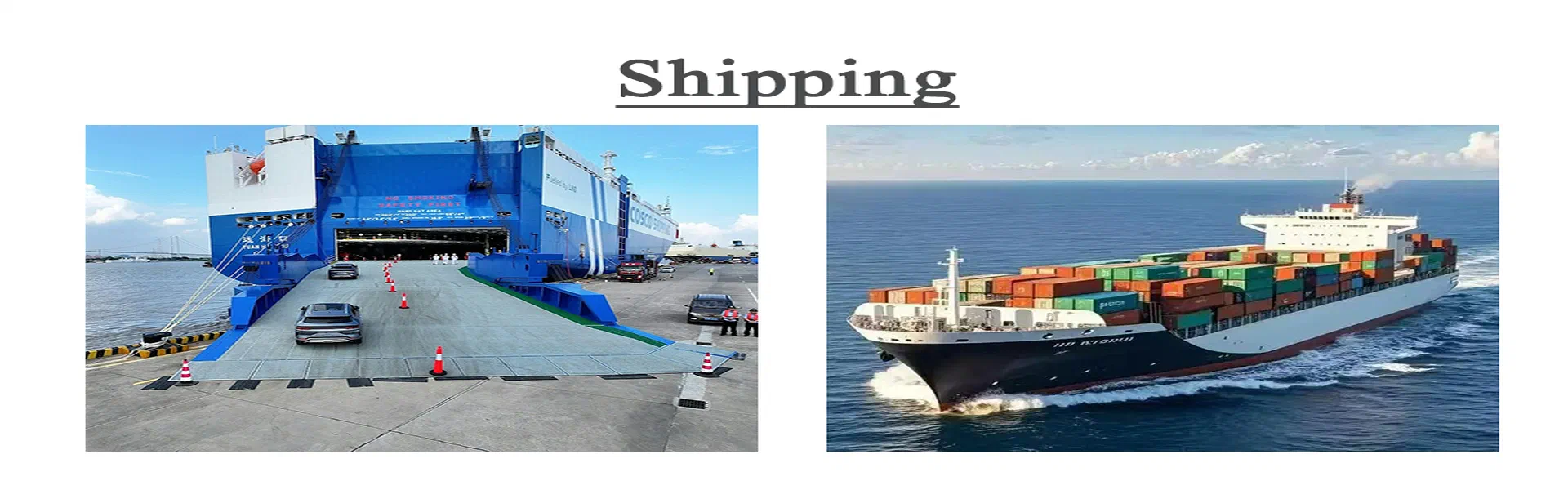
RoRo shipping is generally suitable for vehicles that can be driven or rolled onto a vessel. It often reduces handling and loading costs, but vehicles remain exposed to port and voyage environments. Container shipping offers greater physical protection and may suit higher-value EVs or shipments involving multiple vehicles. However, container dimensions, securing arrangements and loading costs must be considered. EV battery transport requirements should be confirmed with the carrier before booking.
Freight quotations depend on vehicle dimensions, departure port, destination port, vessel availability, fuel-related surcharges and seasonal demand. Transit to West African ports such as Tema in Ghana or Lagos in Nigeria varies with the sailing route and transshipment arrangements. Buyers should allow for several weeks rather than treating a quoted schedule as a guaranteed arrival date. Marine insurance should cover the agreed transport risks, with exclusions and claims procedures reviewed before payment. The bill of lading records the shipment and is essential for cargo release.
Before departure, the exporter coordinates vehicle inspection, export licensing, customs declaration and required documentation. Buyers should verify the VIN, condition report, ownership records and export paperwork. At destination, the consignee or appointed clearing agent presents the bill of lading, completes customs procedures, pays applicable charges and arranges port collection. Demurrage and storage fees can accumulate if documents or clearance payments are delayed. Payment terms, insurance coverage and responsibility for destination charges should be agreed in writing.
FAQ
Q: Is container shipping better for a BYD Atto 3 than RoRo?
A: Container shipping can offer additional protection, but the choice depends on freight costs, carrier acceptance and battery transport requirements. RoRo may be suitable when the carrier accepts the EV under its applicable procedures.
Q: What should buyers verify before shipping a Geely Coolray to Ghana or Nigeria?
A: Confirm LHD import eligibility, current vehicle age and emission requirements, VIN records, mechanical condition and export documents. Obtain a written freight quotation and confirm destination port charges before shipment.