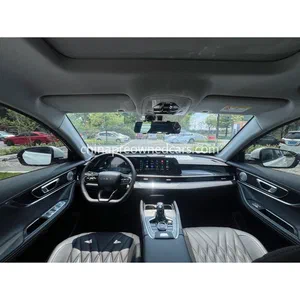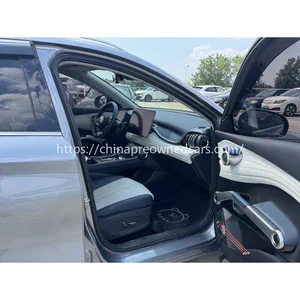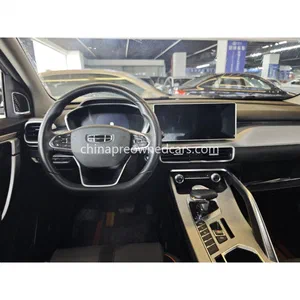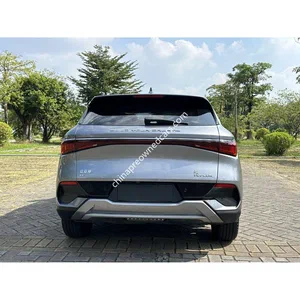
The BYD Atto 3 and hybrid SUVs serve different operating needs in West African export markets. The choice affects charging requirements, fuel consumption, maintenance planning and the shipping method used to move vehicles from China to destination ports in Ghana and Nigeria.
Powertrain Choice and Export Compatibility
The BYD Atto 3 is a fully electric SUV. Its operating range depends on battery condition, driving conditions, temperature and charging habits. A buyer considering an electric car for sale second hand should request a battery state-of-health assessment, charging records where available, and confirmation of the vehicle’s charging connector and supported charging standards. Local compatibility matters. Access to suitable charging equipment and dependable electricity also affects daily usability.
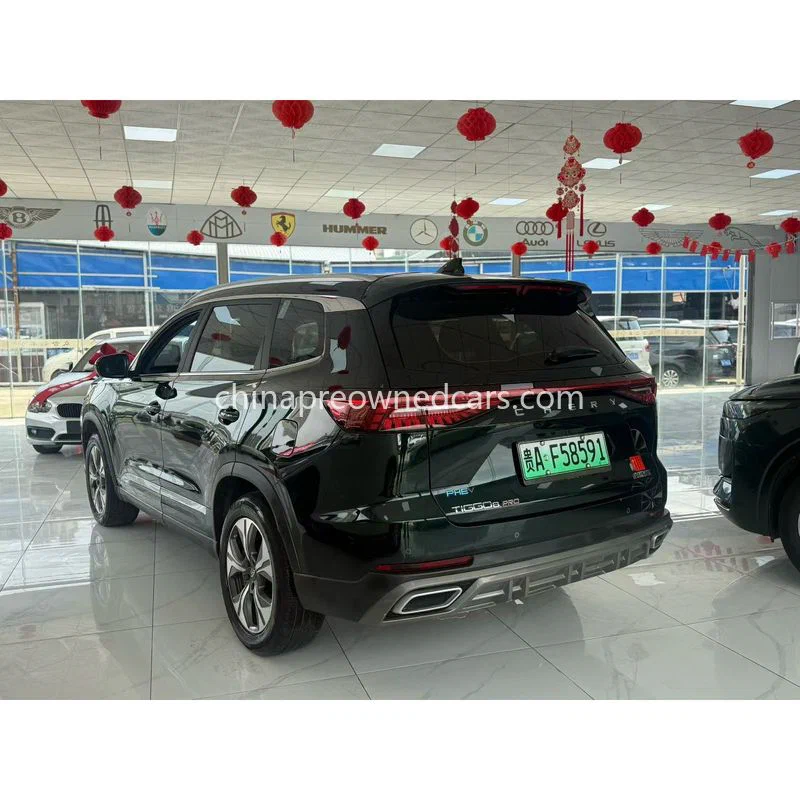
Hybrid SUVs offer a different balance. The Chery Tiggo 7 Plus and Chery Tiggo 8 Pro provide hybrid options depending on the specific version sourced, while the Geely Coolray and Haval H6 include conventional petrol configurations. Hybrid systems combine an internal combustion engine with electric assistance, reducing dependence on external charging. Fuel consumption varies by powertrain and driving conditions. Parts availability, diagnostic equipment and technician experience should be checked before selecting either technology. Destination emission rules also differ, so the exact model year, engine specification and applicable documentation need review before shipment. Most vehicles sourced from China’s domestic market are left-hand drive (LHD). This requires particular attention because Ghana and Nigeria operate right-hand-drive road systems. Buyers must confirm vehicle eligibility before committing to an order.
RoRo and Container Shipping to West Africa
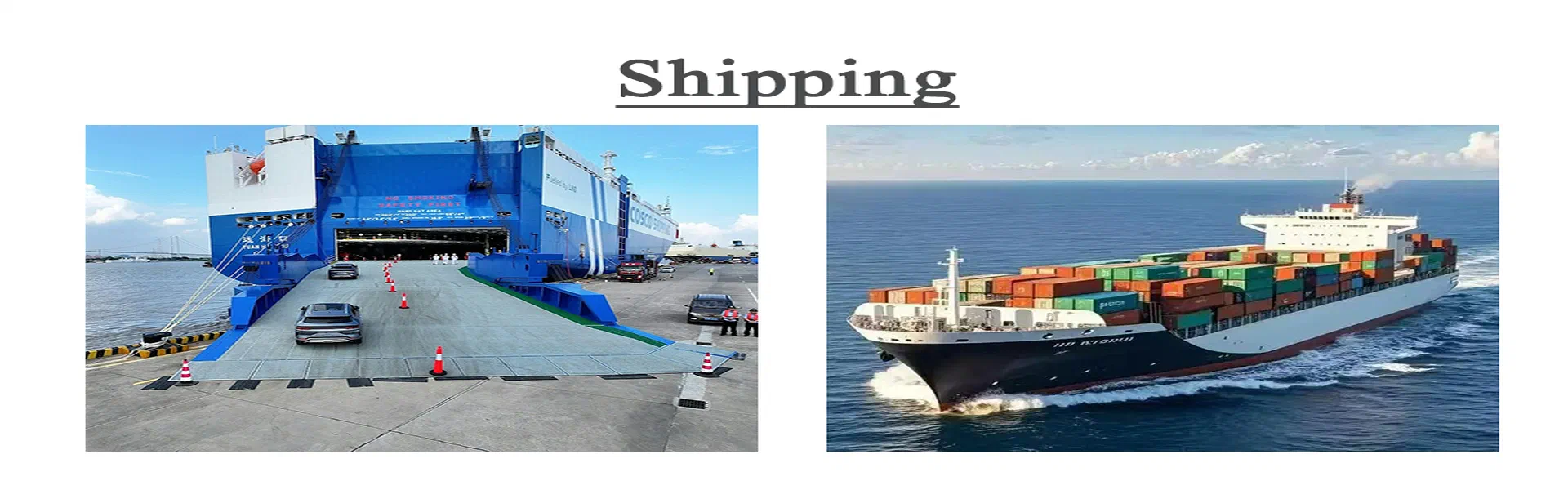
Shipping arrangements affect the landed cost and condition risks. Roll-on/roll-off (RoRo) vessels carry vehicles driven onto and off the ship. This option generally suits operational vehicles and can be more economical than container freight. However, vehicles remain exposed to shared vessel handling and port environments. Container shipping provides enclosed protection and may suit higher-value EVs or shipments requiring additional protection. It involves loading, securing and unloading work, while container dimensions, vehicle height and weight determine loading constraints. Battery-powered vehicles also require carrier acceptance and applicable dangerous-goods documentation where relevant.

Freight rates depend on vehicle dimensions, shipping route, vessel availability, fuel surcharges, port charges and seasonal demand. Transit to West African ports, including Tema in Ghana and Lagos in Nigeria, varies with the sailing schedule and transshipment arrangements. A typical ocean transit may take several weeks, but this is not a guaranteed delivery period. Marine insurance should be arranged with coverage terms and exclusions checked before departure. The bill of lading records the shipment and serves as a key transport document. Export preparation also includes licensing, customs declaration, pre-shipment inspection and commercial documentation. At destination, the consignee or appointed clearing agent handles customs entry, applicable duties and taxes, port charges, and vehicle release. Port storage can increase costs if documents or clearance arrangements are delayed.
Pre-Shipment Checks Before Booking
Before payment and shipping confirmation, buyers should verify the VIN, ownership and available service history, mileage records, accident repairs and inspection findings. EV buyers need battery diagnostics and charging compatibility checks; hybrid buyers should request powertrain diagnostics and evidence of hybrid-system operation where applicable. Export documentation should match the vehicle identification details, and the shipping booking should specify the agreed destination port and freight arrangement. Condition grading should be supported by photographs and an inspection report rather than treated as a guarantee. Payment milestones, insurance responsibility and after-sales support should also be agreed in writing. These checks help buyers compare the actual landed cost of an Atto 3 against a hybrid or petrol SUV before selecting a shipment method.
FAQ
Q: Is RoRo or container shipping better for a BYD Atto 3?
A: RoRo may offer lower freight costs, while container shipping provides enclosed protection. EV battery transport requirements and carrier acceptance should be confirmed before booking either option.
Q: Can Chinese LHD SUVs be imported into Ghana and Nigeria?
A: Both markets have vehicle import and roadworthiness requirements that must be checked against the specific vehicle. Since both use right-hand-drive road systems, buyers should confirm whether a particular LHD vehicle is legally eligible before purchase.