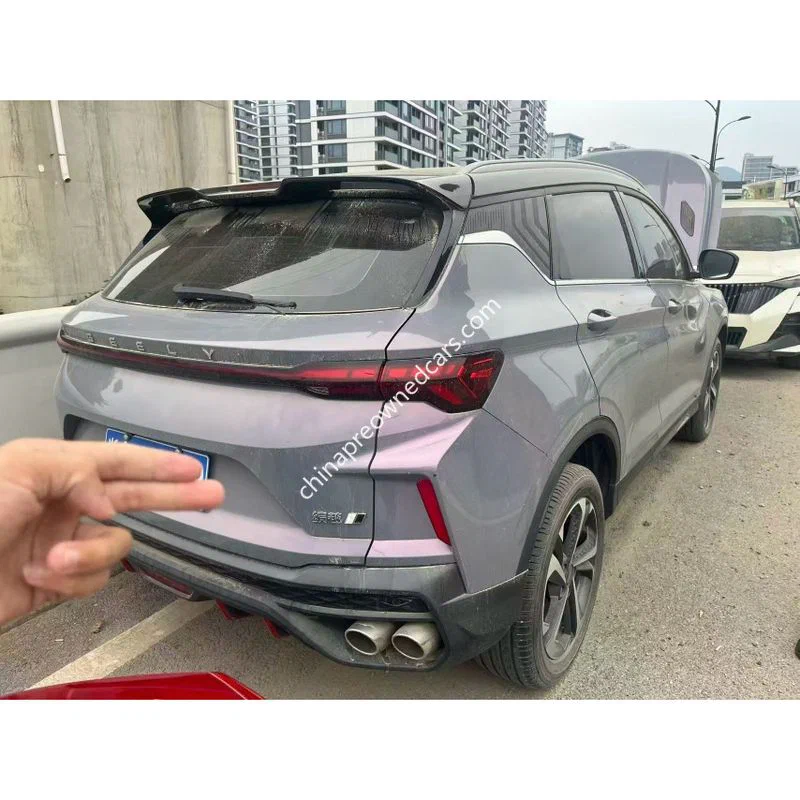
Chinese hybrid and electric SUVs can suit parts of East Africa, but their suitability depends on more than ground clearance or fuel economy. Buyers in Kenya, Uganda and Tanzania need to assess steering position, import eligibility, road conditions and energy infrastructure before arranging shipment from China. Freight selection also matters: the wrong shipping method can increase landed costs or expose a vehicle to avoidable handling risks.
East African Market Requirements and Vehicle Suitability
The first check is steering position. Most Chinese domestic-market vehicles available for export are left-hand drive (LHD). This presents a practical restriction in Kenya, Uganda and Tanzania, where road traffic generally keeps to the left and right-hand-drive vehicles are the conventional choice. Import rules and registration eligibility must be confirmed before purchase. A vehicle that passes inspection in China is not automatically eligible for registration at its destination. Buyers should obtain confirmation from the relevant local authorities or a licensed clearing agent before paying a deposit. Sourcing a right-hand-drive vehicle may be necessary for some transactions, but availability should never be assumed.
Vehicle age and emissions requirements are another early consideration. Kenya, Uganda and Tanzania apply their own import controls, including restrictions that may relate to manufacturing year, vehicle condition and emissions. These requirements can change, and exemptions or administrative interpretations may differ. Buyers should check the current rules for the intended port and registration jurisdiction rather than rely on an old shipping quotation or another importer’s experience. Import duties, taxes and port charges also affect the final landed cost. A search for used car 25k may establish an initial purchasing budget, but the comparison is incomplete until freight, insurance, customs charges and inland transport are included.
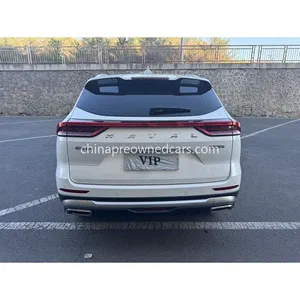
Road and climate conditions influence which vehicle deserves priority. East African routes range from paved urban roads to uneven rural surfaces, steep gradients and sections affected by heavy seasonal rain. Ground clearance, suspension condition, tyre specification and underbody damage therefore deserve close inspection. The Chery Tiggo 8 Pro offers a larger SUV format that may suit buyers requiring additional cabin space, while the Tiggo 7 Plus provides a smaller alternative. The Haval H6 is another option worth assessing for mixed urban and regional use. However, model name alone does not establish suitability. Buyers should compare the actual trim, drivetrain, tyre condition and service history of each vehicle.
Powertrain choice requires a separate assessment. The BYD Atto 3 is a battery-electric SUV, not a conventional hybrid, so its suitability depends heavily on charging access and battery condition. Public charging coverage remains uneven across East African markets, particularly outside major urban centres. A buyer in Nairobi may have different operating options from one using a vehicle in a remote part of Uganda or Tanzania. Battery state of health, charging performance, battery diagnostic records and available charging connectors should be checked before purchase. For combustion-powered or hybrid variants of other listed models, verify the exact powertrain rather than assume that every trim has the same technology. Fuel availability and local maintenance capability also affect long-term operating costs.
Shipping from China: RoRo or Container?
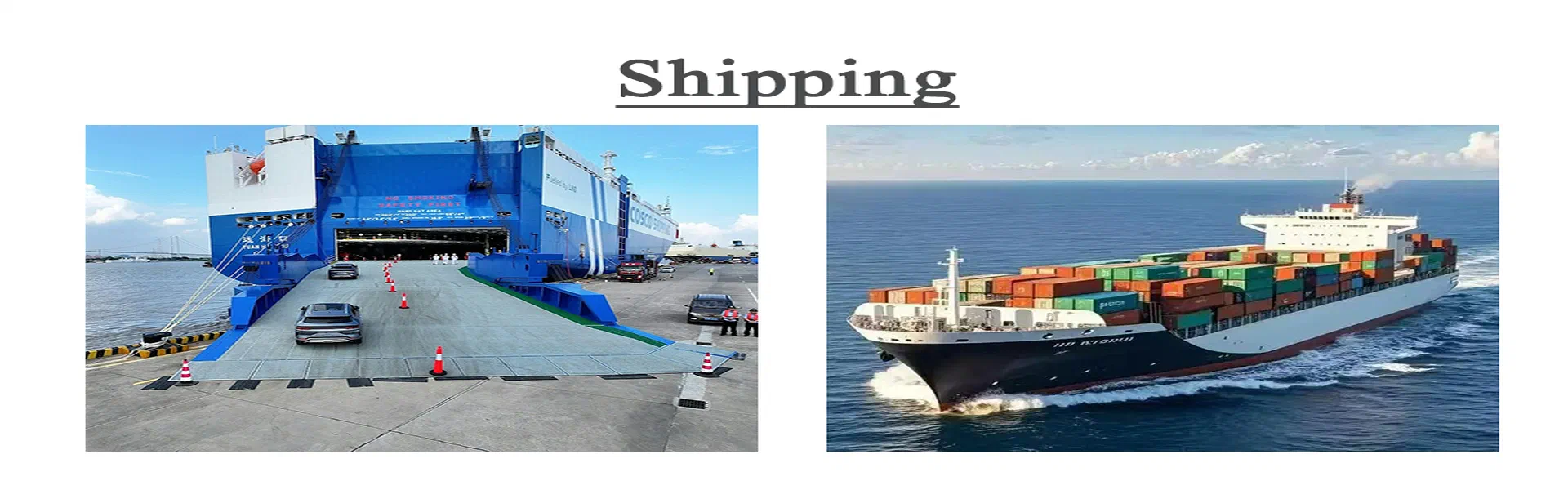
Once a vehicle is approved for import, the shipping method becomes a major commercial decision. Roll-on/roll-off (RoRo) shipping involves driving the vehicle onto a specialised vessel and securing it in the designated vehicle deck. It is generally a straightforward option for running vehicles and can be less expensive than container freight. However, the vehicle remains in a shared vessel environment, with handling and exposure risks that differ from enclosed transport. Personal belongings and loose equipment are normally restricted. The exporter and shipping line should confirm operational requirements before the vehicle is delivered to the loading terminal.
Container shipping provides an enclosed transport environment and can offer greater control over loading and securing. It is worth considering for higher-value SUVs, vehicles with vulnerable exterior components or shipments requiring additional protection. The trade-off is cost and loading complexity. Vehicle dimensions, container capacity, loading equipment and securing arrangements all need to be checked. A container may also accommodate more than one vehicle when the configuration permits, but loading plans must account for weight distribution, clearance and safe access. Incorrect securing can cause movement damage during the voyage. Buyers should request photographs of the loading process and confirmation of how the vehicle will be restrained.
Freight quotations depend on more than the vehicle’s purchase price. Departure port, destination port, vessel availability, vehicle dimensions, shipping method and seasonal capacity all influence the charge. Routes from China to East African destinations commonly involve ports such as Mombasa in Kenya and Dar es Salaam in Tanzania. Uganda-bound vehicles generally require onward inland transport after arrival at a regional port. For West African shipments, Tema in Ghana and Lagos-area ports in Nigeria are relevant alternatives, but they are not substitutes for an East African delivery plan. Transit time depends on the sailing schedule, transshipment arrangements and port congestion. Buyers should request an estimated port-to-port schedule and distinguish it from the total time required for export preparation and destination clearance.
Documentation, Insurance and Destination Clearance
Before loading, the exporter must complete the applicable Chinese export procedures. These include export licensing, customs declaration and pre-shipment inspection. The vehicle identification number (VIN), ownership and registration records, vehicle specifications and inspection findings should be checked against the export documents. Buyers should also request clear photographs showing the bodywork, interior, odometer and underbody, alongside available service records. A condition report describes the vehicle at the time of inspection; it does not guarantee that no mechanical issue will emerge later. For used electric vehicles, battery diagnostics should form part of the inspection rather than being treated as an optional extra.

Marine insurance deserves attention before the vessel departs. Buyers should establish whether the quotation includes insurance or whether it must be arranged separately. The policy should specify the insured value, covered risks, exclusions, deductible and claims procedure. Coverage can differ between RoRo and container shipments, particularly regarding loading, unloading and handling incidents. The bill of lading is a key transport document issued by the carrier or its agent. It records shipment details and serves as evidence of the contract of carriage, with its precise legal function depending on the document type. Names, VIN details, port information and consignee details should be checked carefully before release.
Arrival at the destination port does not mean the vehicle is ready for collection. The consignee or appointed clearing agent must receive the shipping documents, arrange customs processing, settle applicable duties and taxes, and complete any required local inspection or registration procedures. Port storage and demurrage charges can accumulate when documents are delayed or clearance arrangements are incomplete. Uganda-bound buyers should also budget for inland transportation after port release. Payment terms should identify when the vehicle balance, freight, insurance and destination charges become payable. A practical transaction schedule links payment milestones to verifiable events, such as completed inspection, export clearance and issuance of the bill of lading. This gives both parties a clearer record of their responsibilities.
FAQ
Q: Can Chinese SUVs be shipped directly to Kenya, Uganda and Tanzania?
A: Vehicles can be shipped to regional ports such as Mombasa and Dar es Salaam, subject to current import eligibility and shipping arrangements. Uganda-bound shipments generally require additional inland transport after port clearance.
Q: Is RoRo or container shipping better for a used SUV?
A: RoRo is often more economical for running vehicles, while container shipping provides an enclosed transport environment. The appropriate choice depends on vehicle value, loading constraints, insurance coverage and the buyer’s budget.