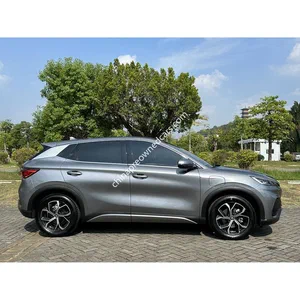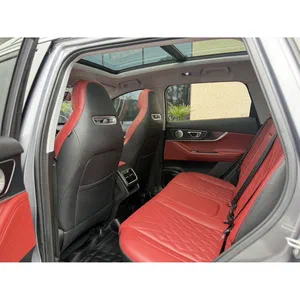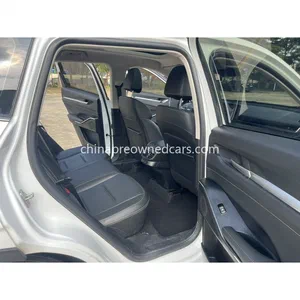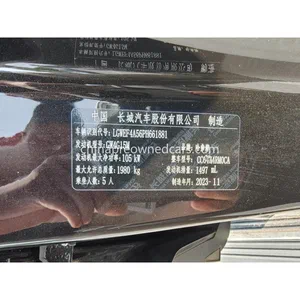
Exporting a used electric or hybrid vehicle from China to West Africa requires more than checking its purchase price and odometer. Battery condition, charging compatibility, shipping arrangements and destination import rules all affect the vehicle’s landed cost and resale prospects. These checks are particularly important when comparing low-priced listings, including searches for used cars for sale cheap under $3000, with the actual cost of importing an electric vehicle.
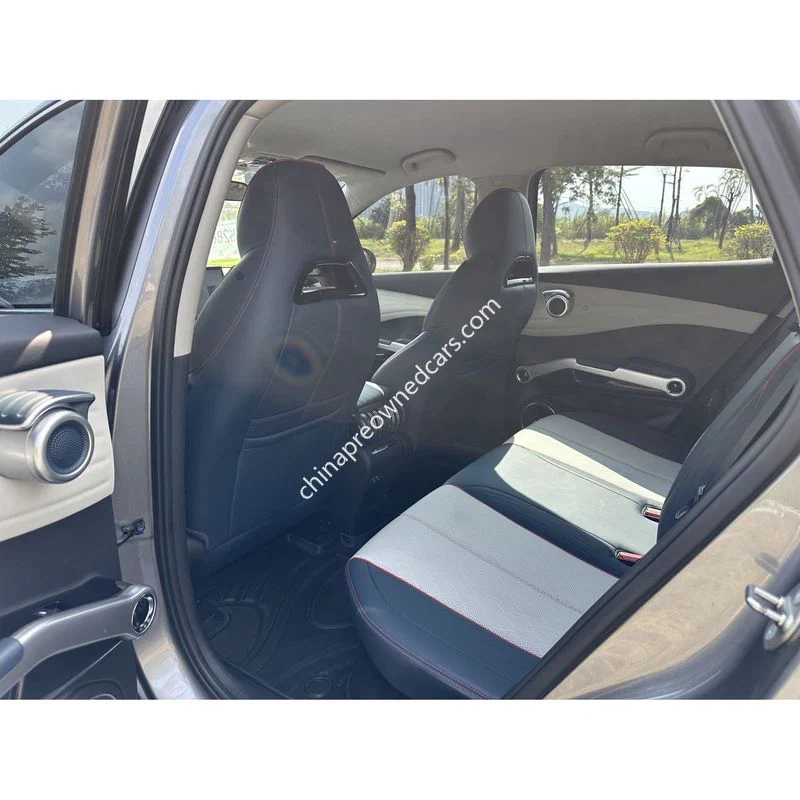
Battery state of health (SOH) should be established before a purchase is agreed. A dashboard range estimate is not sufficient evidence because it changes with temperature, driving conditions and previous usage. Buyers should request a battery diagnostic report showing SOH, cell voltage differences, fault codes and charging history where available. An independent pre-shipment inspection should also check the battery casing, cooling system, high-voltage connections and evidence of collision or water damage. For a BYD Atto 3 or another used electric SUV, remaining battery capacity directly affects practical driving range and future resale value. A vehicle with substantial degradation may be inexpensive at the source but expensive to operate in a market with limited charging facilities.
Charging compatibility needs separate verification. Chinese domestic-market vehicles commonly use GB/T connectors, while CCS2 and Type 2 are widely encountered in international charging networks. CHAdeMO remains present in some older charging installations but should not be assumed to be readily available. Ghana, Nigeria, Kenya, Uganda and Tanzania have developing charging networks, with coverage and connector availability varying by city and operator. Buyers should confirm the exact inlet fitted to the vehicle and identify compatible public chargers or an appropriate installation before shipment. An adapter should not be treated as an automatic solution: vehicle communication protocols, charging power and local electrical standards must also be compatible. A hybrid may reduce dependence on public charging, but its battery and charging requirements still need checking if it is a plug-in model.
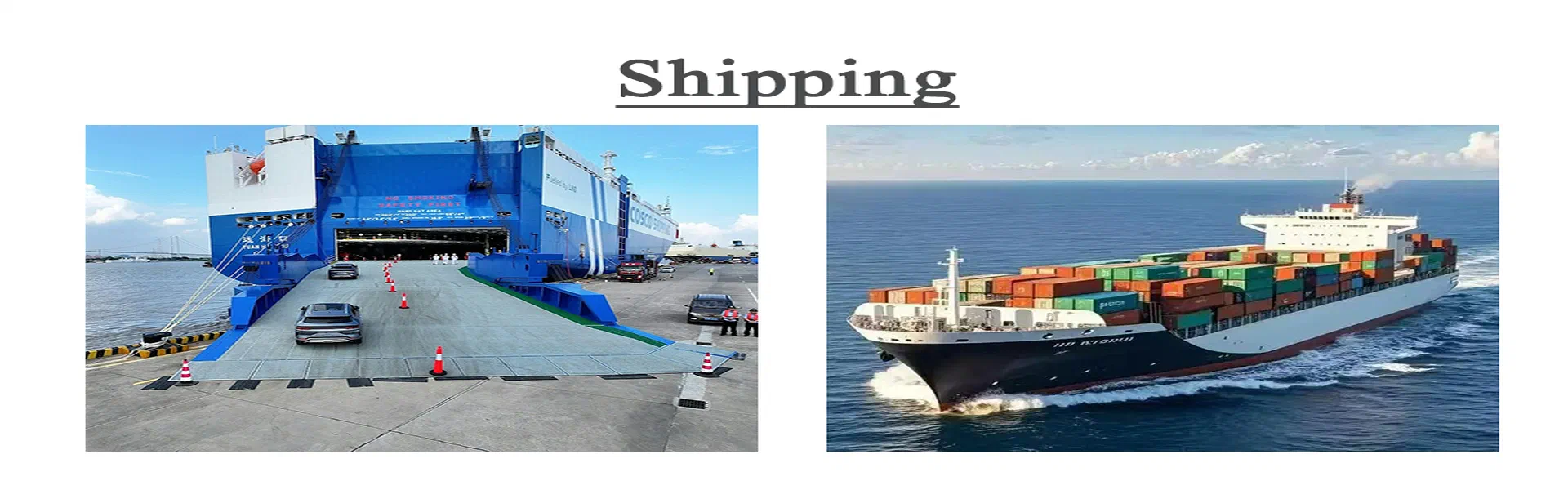
Shipping arrangements influence both cost and handling risk. RoRo services generally suit operational vehicles that can be driven onto and off the vessel. They often avoid the additional handling involved in container loading, although access to suitable sailings and vehicle acceptance conditions can limit availability. Container shipping offers greater control over how a vehicle is secured and can reduce exposure to handling and weather, but loading, lashing, unloading and container charges add cost. Vehicle dimensions, ground clearance, battery transport classification and carrier rules determine whether a particular EV can be accepted. Freight quotations should account for vehicle size, departure port, destination port, fuel and seasonal surcharges, terminal handling and insurance. Transit to West African ports such as Tema, Lagos, Mombasa is not interchangeable: Mombasa serves East Africa, while Tema and Lagos are relevant West African gateways. Actual sailing schedules and transshipment arrangements determine the transit period.

For lithium-ion vehicles, dangerous-goods classification must be settled before booking. A complete battery-electric vehicle is generally classified under UN 3556, not UN 3480, which applies to lithium-ion batteries shipped separately. The carrier must confirm the applicable IMDG requirements, documentation and acceptance conditions. Battery condition, state of charge, isolation procedures and protection against accidental activation can affect acceptance. Shipping lines may impose additional restrictions on used or damaged EVs. Before departure, the exporter must also complete China’s export licensing, customs declaration and required pre-shipment inspection. The buyer should receive the commercial invoice, packing information where applicable, export documentation and bill of lading. Marine insurance should cover the agreed cargo value and relevant transit risks. At Tema or Lagos, destination procedures include manifest checks, customs assessment, payment of applicable charges, inspection where required and release of the vehicle. Buyers should confirm local age, emissions, roadworthiness and left-hand-drive requirements before paying. These rules differ between Ghana and Nigeria and can change. The final landed cost should include freight, insurance, port handling, duties and clearance charges, rather than relying on the vehicle purchase price alone.
FAQ
Q: Can a used electric vehicle from China be shipped by RoRo?
A: Some RoRo carriers accept electric vehicles subject to dangerous-goods procedures and battery condition requirements. Acceptance must be confirmed with the shipping line before booking.
Q: Is UN 3480 the correct classification for an exported electric car?
A: No. A complete lithium-ion battery-powered vehicle is generally classified as UN 3556. UN 3480 applies to lithium-ion batteries transported separately, so the carrier must confirm the correct classification.
Q: What should buyers check before importing a Chinese EV into Ghana or Nigeria?
A: Verify battery SOH, charging connector compatibility, vehicle history, left-hand-drive suitability and current import regulations. Obtain a full shipping quotation covering freight, insurance, port charges and customs clearance.