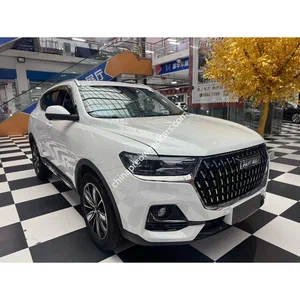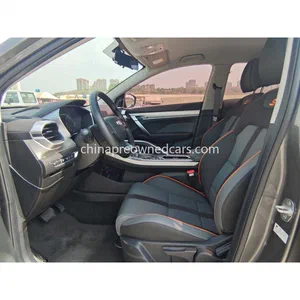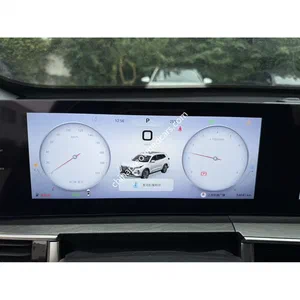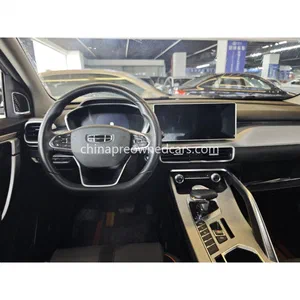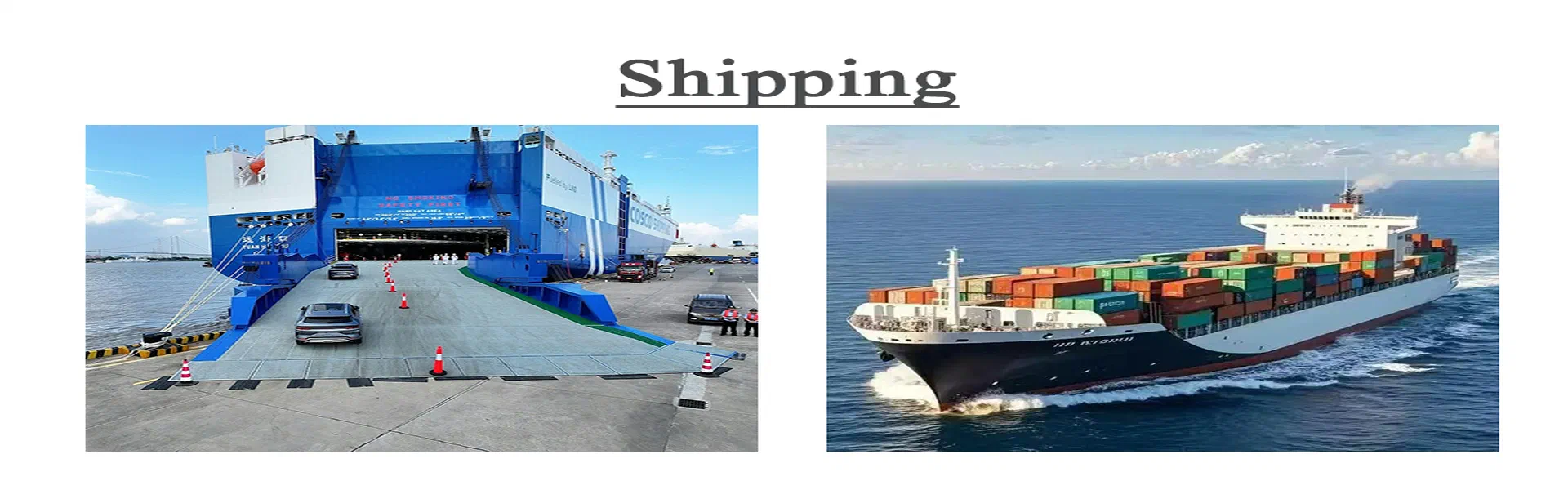
Chinese-brand electric and hybrid SUVs are becoming increasingly popular in overseas markets, particularly in Africa, the Middle East, and South America. This article compares several models from our inventory, focusing on their specifications, suitability for export, and shipping logistics. Key considerations include powertrain options, range, emission standards, and shipping methods.
The BYD Atto 3, Chery Tiggo 7 Plus, Chery Tiggo 8 Pro, Geely Coolray, and Haval H6 are notable options in our inventory. The BYD Atto 3 features a robust electric powertrain with a range that can suit various driving needs. In contrast, the Haval H6 offers a hybrid option, catering to markets where a combination of electric and fuel power might be more desirable. Each model’s fuel consumption varies, with electric SUVs like the Atto 3 generally offering lower operational costs compared to their hybrid counterparts. Buyers should consider local charging infrastructure when selecting an electric vehicle, as this impacts the overall usability in destination markets.
Emission standards and vehicle compatibility with destination countries are crucial factors to consider. Most of the inventory consists of left-hand drive vehicles, which aligns with the driving norms in key markets like Ghana and Nigeria. However, it’s essential to verify the current regulations regarding vehicle age and emissions, as these can differ from country to country. For instance, some markets have stringent controls on emissions for imported vehicles, which may limit options for older models.
When exporting vehicles, understanding shipping logistics is vital. There are two primary methods: Roll-on/Roll-off (RoRo) and container shipping. RoRo is often more cost-effective but poses risks, such as potential damage during transit. Container shipping provides better protection, particularly for fragile electric vehicles, but can be more expensive and may have loading constraints. Transit times to West African ports can vary, usually taking between 15-25 days, depending on shipping schedules and port efficiency. Marine insurance is recommended to cover any potential damages.
Documentation and customs clearance are also pivotal parts of the export process. Each vehicle requires a bill of lading, and ensuring proper export licensing and compliance with local regulations is essential. Buyers should stay informed about the documentation needed for their specific destination to facilitate smooth customs clearance.

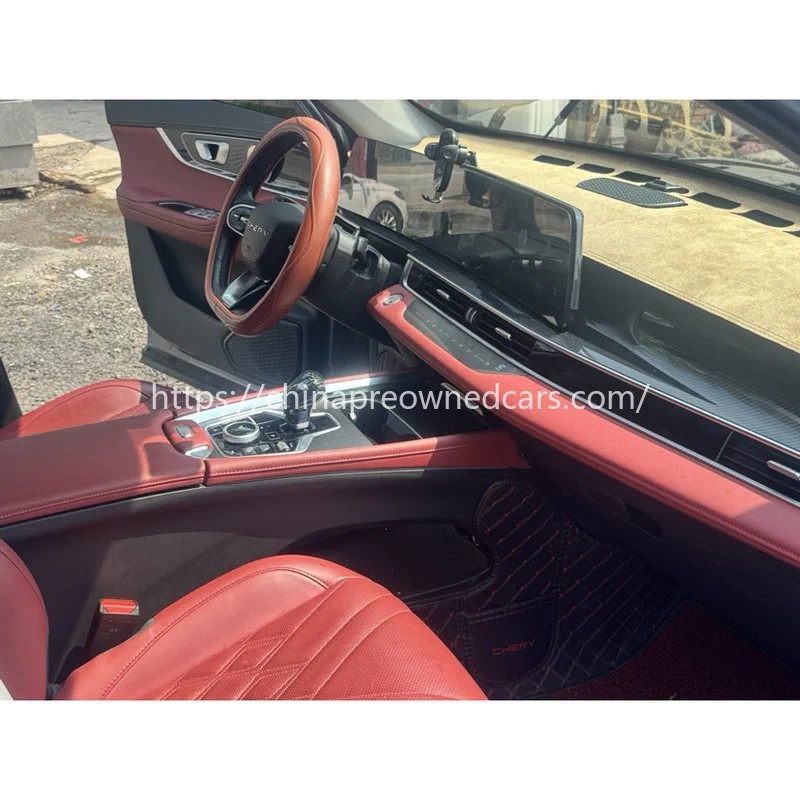
Before making a purchase, buyers should verify the vehicle’s condition, including battery health for electric models and overall maintenance history. Payment terms can vary, with many exporters offering flexible options to accommodate international buyers. After-sales support is also an important consideration; establishing a reliable contact for assistance post-purchase can enhance the ownership experience.
FAQ
Q: What are the shipping options for exporting vehicles from China?
A: The two main shipping options are Roll-on/Roll-off (RoRo) and container shipping, each with its own cost and risk factors.
Q: How can I verify the condition of a vehicle before purchase?
A: Buyers should conduct a thorough inspection, possibly using a pre-purchase inspection service, and review the vehicle’s maintenance history and condition reports.