When considering the purchase of used vehicles, especially from overseas markets like Africa, it is crucial to ask the right questions to ensure a satisfactory transaction. This article provides practical guidance for overseas buyers, covering what to verify about the vehicle, the necessary documentation, and the logistics of shipping used cars, specifically from China. The focus is on the key details that can make or break the purchase.
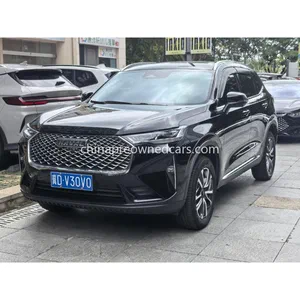
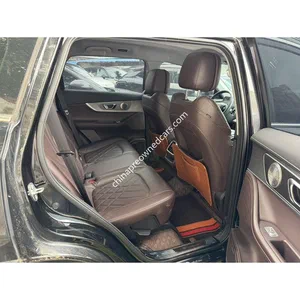
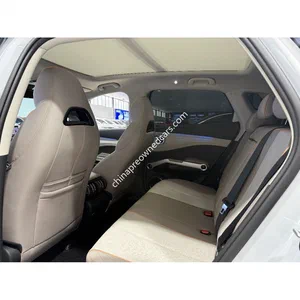
One of the first things to verify is the vehicle’s condition. Buyers should inquire about the mileage, service history, accident records, and, for electric vehicles, the battery health. It is also essential to check the authenticity of the Vehicle Identification Number (VIN) to ensure the vehicle’s legitimacy. This verification can prevent future issues with registration and compliance with local regulations in destination markets.
Documentation is another critical aspect of purchasing used vehicles. Buyers should request a pre-shipment inspection report, which provides a detailed account of the vehicle’s condition before export. Additionally, obtaining an export license and customs clearance paperwork is vital for a smooth transaction. This documentation not only facilitates the shipping process but also ensures compliance with import regulations in the buyer’s country.
Understanding the credibility of the exporter is crucial in the used vehicle market. Buyers should assess the exporter’s reputation by looking for reviews and testimonials from previous customers. It is also advisable to confirm their experience in handling logistics and documentation, as these factors significantly influence the ease of the buying process. A trustworthy exporter will provide transparency regarding the vehicle’s condition and the shipping process.
Payment terms are another area where clarity is essential. Buyers should clearly understand the payment methods accepted by the exporter and any associated fees. Common practices may involve a deposit followed by the remaining balance upon shipment. Ensuring that payment terms are documented can protect buyers from potential disputes and misunderstandings.

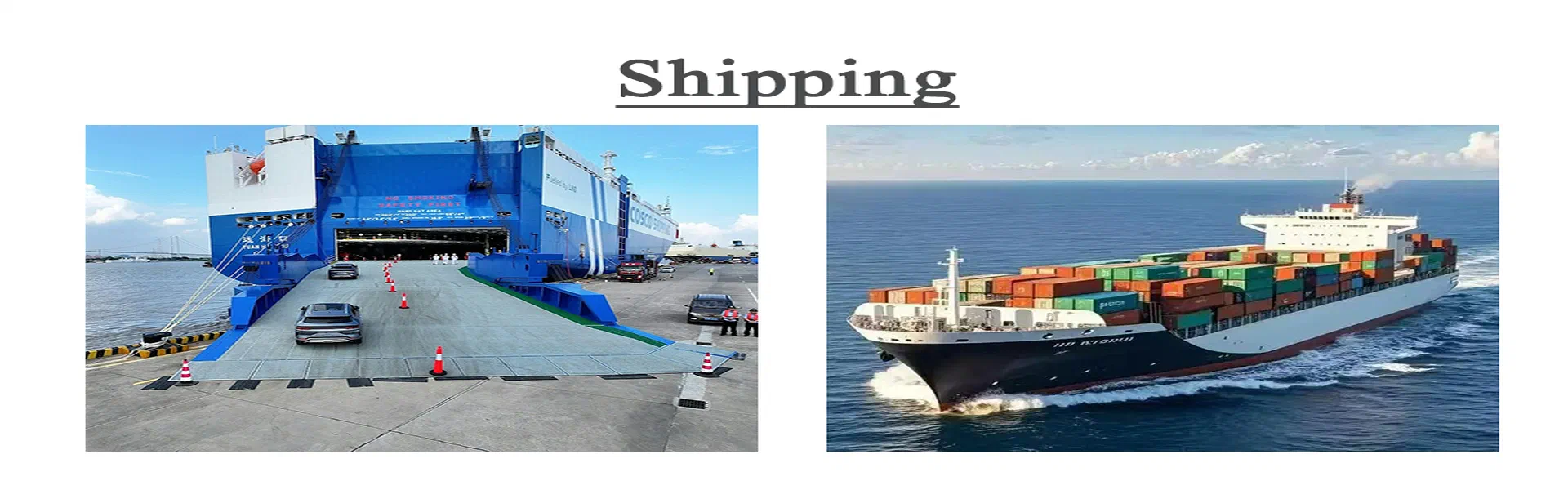
Shipping logistics play a significant role in the buying process. Vehicles can be shipped using either Roll-on/Roll-off (RoRo) or container shipping methods. RoRo is generally more cost-effective but carries a higher risk of damage due to exposure during transit. In contrast, container shipping offers better protection but may be more expensive. Buyers should consider factors such as the cost of shipping, potential damage risks, and loading constraints when choosing a shipping method.
Transit times to West African ports typically range from 15 to 25 days, depending on the shipping method and route. It is advisable to factor in these lead times when planning the purchase. Additionally, securing marine insurance can provide peace of mind during transit, safeguarding the investment against potential losses.
At the destination port, buyers should be prepared for customs clearance procedures. This process may vary by country, so understanding local regulations is crucial. It often involves presenting the necessary documentation, paying any applicable duties, and verifying that the vehicle meets local emission standards and age limits. Being aware of these requirements can help expedite the process and avoid unexpected delays.
FAQ
Q: What should I check regarding the vehicle’s condition before purchasing? A: Verify the mileage, service history, accident records, and battery health for electric vehicles. Also, confirm the authenticity of the VIN.
Q: What documents are necessary for exporting a vehicle? A: Key documents include the pre-shipment inspection report, export license, and customs clearance paperwork. These ensure compliance with local regulations.