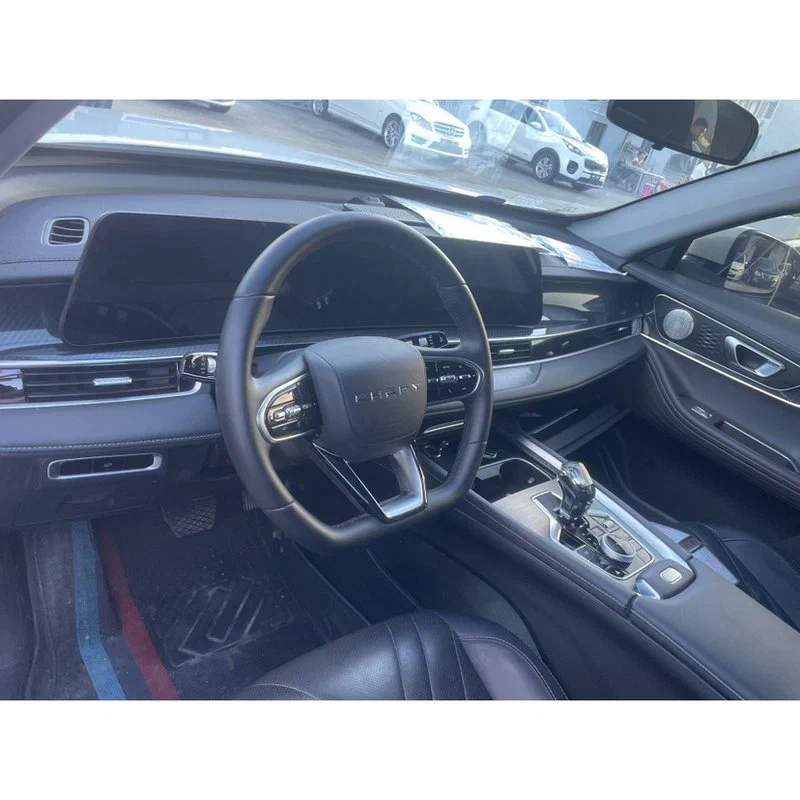
Electric vehicles (EVs) and hybrids present unique considerations for exporters, particularly regarding their battery systems and charging infrastructure. Assessing the battery state-of-health is critical, as it directly influences the vehicle’s performance and resale value. Buyers should seek documentation confirming battery health, including any diagnostic reports from previous owners. It’s also important to verify the charging connector types compatible with the destination market; for instance, some countries accept GB/T, while others may use CCS or CHAdeMO connectors. Ensuring that the vehicles can connect to local charging infrastructure is essential for successful integration into the market.
Battery transport regulations, particularly the UN 3480 classification for dangerous goods, must be adhered to during shipping. Exporters must ensure proper labeling and packaging to comply with international shipping standards. Additionally, understanding local regulations regarding battery transport in destination countries is necessary. For instance, certain markets may have restrictions on the age or condition of EV batteries, which can affect the eligibility of a vehicle for import.

Range anxiety remains a concern for potential buyers of used electric vehicles. As batteries degrade over time, the range of an EV diminishes, which can impact its attractiveness in the resale market. Exporters should educate buyers on the expected range based on the vehicle’s battery condition and age. This information can help buyers make informed decisions, especially in regions where charging infrastructure is still developing.
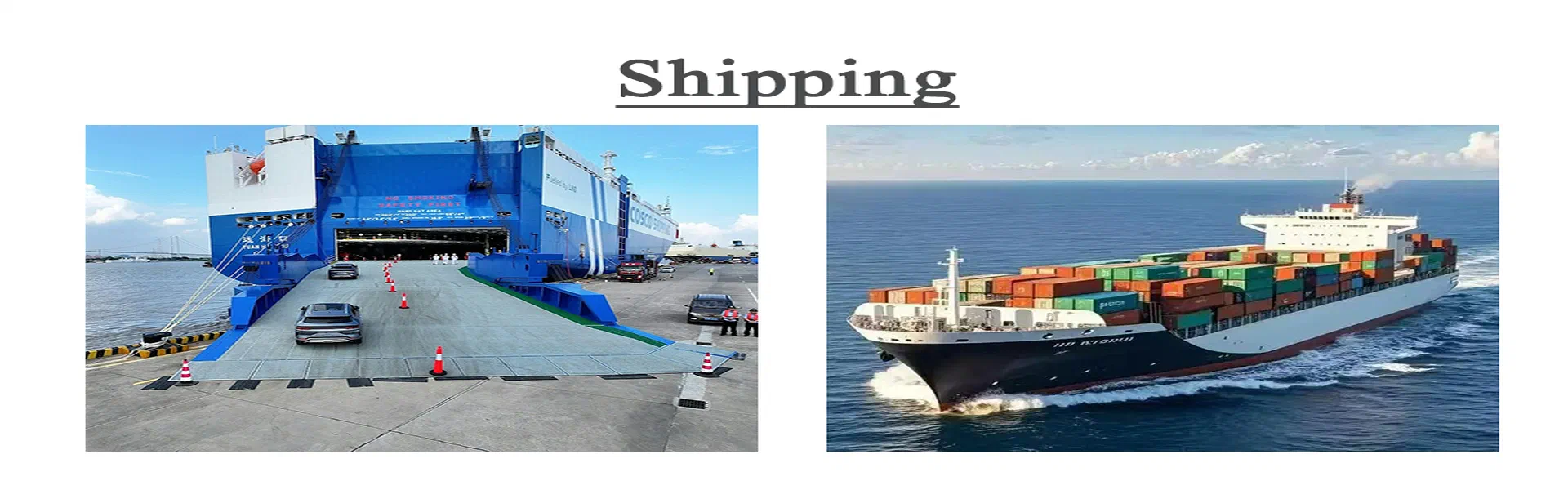
Logistics play a vital role in the export process of electric and hybrid vehicles. There are two primary shipping methods: Roll-on/Roll-off (RoRo) and container shipping. RoRo is generally more cost-effective and allows for easy loading and unloading, but it may pose a higher risk of damage during transit. Container shipping, while more expensive, provides better protection against potential damage, making it suitable for higher-value vehicles. Exporters must evaluate the pros and cons of each method based on the specific vehicle, destination, and budget.
The shipping timeline to West African ports usually falls within a typical range of 15-25 days, depending on the shipping method and route. Exporters should communicate expected transit times clearly to buyers to manage their expectations. Additionally, securing marine insurance is advisable to cover potential damages during transit. Buyers should also be familiar with the bill of lading, which serves as the shipping contract and proof of ownership for the vehicle.
Upon arrival at the destination port, customs clearance procedures must be followed. Buyers should be prepared to provide necessary documentation, including the bill of lading, vehicle registration, and any export compliance certificates. Understanding local customs regulations is crucial, as they can vary significantly by country. Import duties and taxes may also apply, depending on the vehicle’s age and emission standards.
In summary, thorough preparation and understanding of the specific requirements for exporting electric and hybrid vehicles are essential. Buyers should verify battery health, compatibility with local charging infrastructure, and shipping logistics to ensure a smooth purchasing experience. By adhering to regulatory standards and being informed about local market conditions, exporters can successfully navigate the complexities of the used vehicle export trade.
FAQ
Q: What should I check regarding the battery state-of-health before purchasing an electric vehicle?
A: Buyers should request diagnostic reports and any service history related to the battery to assess its condition and remaining capacity.
Q: How do I choose between RoRo and container shipping for my vehicle?
A: RoRo is typically cheaper and faster, but container shipping offers better protection against damage, making it suitable for more valuable vehicles.
Q: What documents are needed for customs clearance at the destination port?
A: Essential documents include the bill of lading, vehicle registration, and any required export compliance certificates.