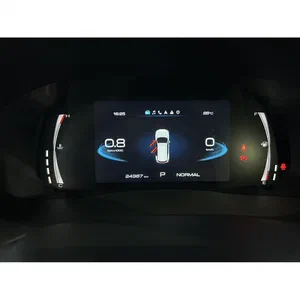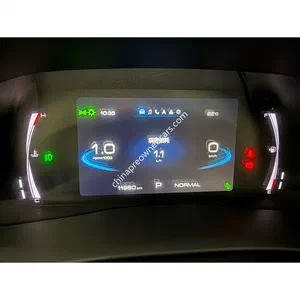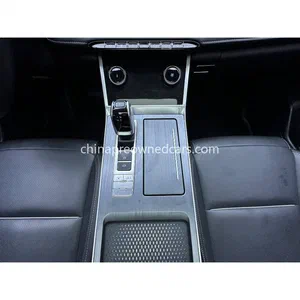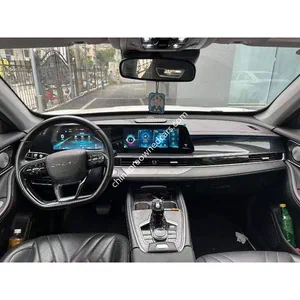
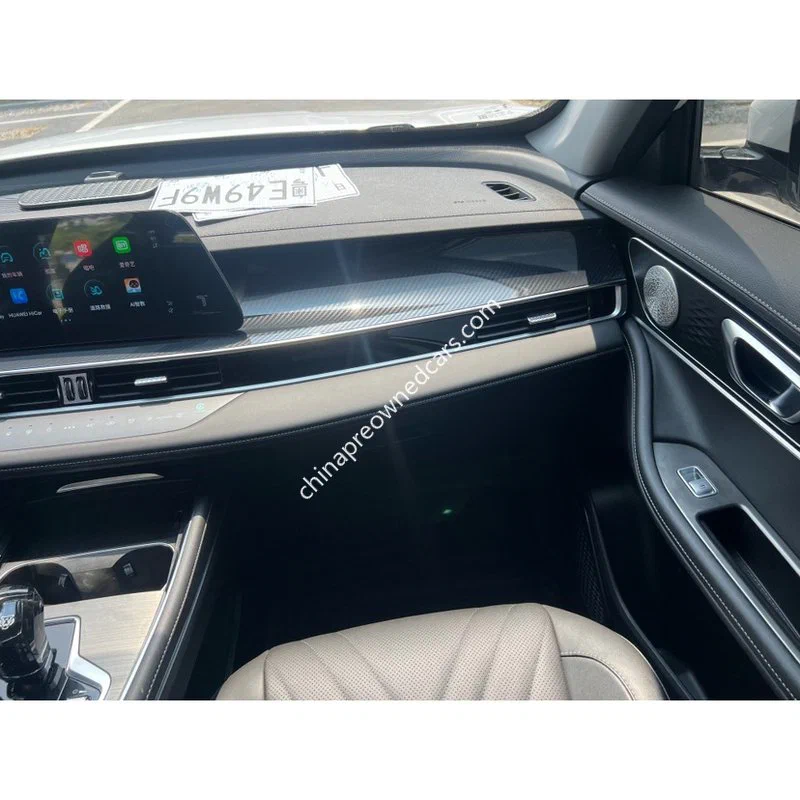
Exporting electric and hybrid vehicles requires careful consideration of various technical and logistical factors. Buyers looking for the best used electric cars to buy in 2025 should focus on battery health, charging standards, and shipping logistics. This article outlines the key aspects of sourcing and exporting electric and hybrid vehicles from China, particularly to markets in Africa.
Battery State-of-Health and Charging Standards
Battery state-of-health is crucial for electric vehicles, as it directly impacts range and resale value. Before purchasing, buyers should verify the battery’s condition through an inspection report. Different markets accept various charging connector standards, including GB/T, CCS, and CHAdeMO. Understanding which standard is compatible with the destination market is essential for ensuring the vehicle’s usability upon arrival.
Shipping Logistics: RoRo vs. Container
When exporting vehicles, the choice between Roll-on/Roll-off (RoRo) and container shipping is significant. RoRo is generally cost-effective and allows for quicker loading and unloading times. However, it poses a higher risk of damage due to exposure during transit. Conversely, container shipping provides better protection but may incur additional costs and loading constraints. Understanding the freight rate factors, such as vehicle size and shipping distance, can help buyers make informed decisions.
Documentation and Customs Clearance
Exporting vehicles involves thorough documentation and customs procedures. Essential documents include the bill of lading, export license, and customs declaration. Buyers should ensure that all paperwork is in order to prevent delays at the destination port. Each country has specific import regulations, which may include vehicle age limits and emission standards. Buyers are advised to confirm these regulations to ensure compliance.
Destination Market Considerations
Different destination markets, such as Ghana, Nigeria, and Kenya, have unique requirements regarding vehicle importation. Most vehicles in the inventory are left-hand drive, which is suitable for these markets. Buyers should also evaluate the charging infrastructure available in their target countries, as this may affect the feasibility of electric vehicle ownership.

Practical Buyer Guidance
Before finalizing any purchase, buyers should conduct a thorough quality assessment of the vehicle. This includes verifying the VIN, checking for any existing damages, and ensuring proper inspection has been completed. Payment terms should be clearly discussed, and buyers should be aware of typical shipping lead times, which can vary but usually fall within a range of 15-25 days. After-sales support is also an important consideration, as it can provide assistance with any issues that arise post-purchase.
FAQ
Q: What should I check for when buying a used electric vehicle?
A: Verify the battery state-of-health, charging standards, and overall vehicle condition through an inspection report.
Q: How does RoRo shipping differ from container shipping?
A: RoRo is typically cheaper and faster but has a higher risk of damage, while container shipping offers better protection but may be more expensive.
Q: What documentation do I need for exporting vehicles?
A: Required documents include the bill of lading, export license, and customs declaration, among others.