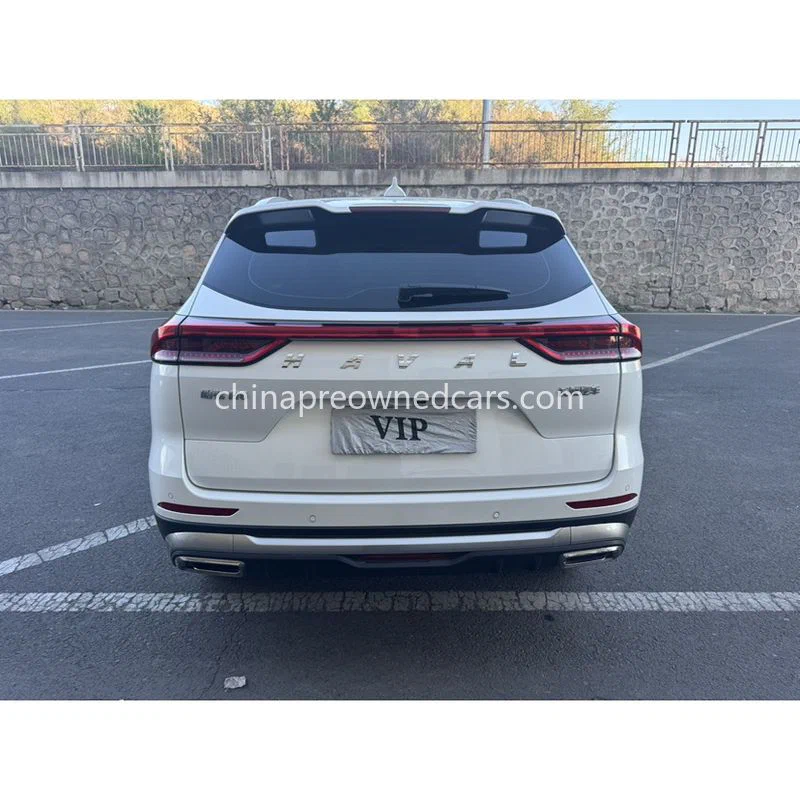
Shipping a used vehicle from China to West Africa involves several stages: vehicle inspection, export documentation, port handling, international freight and destination clearance. The choice between Roll-on/Roll-off (RoRo) and container shipping affects freight costs, loading arrangements and the level of protection during transit. Each stage needs to be coordinated before the vehicle leaves China.
Pre-shipment inspection and export preparation
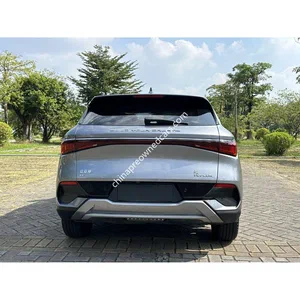
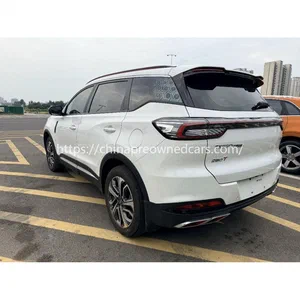
The export process starts with selecting and inspecting the vehicle. For Chinese-brand SUVs such as the BYD Atto 3, Chery Tiggo 7 Plus, Chery Tiggo 8 Pro, Geely Coolray and Haval H6, the inspection should cover the vehicle’s mechanical condition, bodywork, electrical systems and identification details. A pre-shipment inspection is not simply a visual check. It provides a record that buyers can use to assess the vehicle before committing to international freight.
The inspection typically covers:
- Engine operation, transmission response, braking performance and suspension condition on combustion and hybrid models.
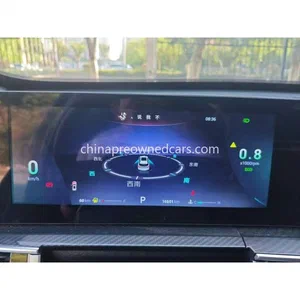
- Battery condition, charging operation, dashboard warnings and diagnostic information on electric vehicles.
- Hybrid system operation, cooling components and transitions between electric and combustion power.
- Tyres, lights, windows, interior equipment, paintwork and signs of previous repairs.
- VIN, chassis number, registration records and consistency between the vehicle and export documents.
For a used EV, battery state of health deserves particular attention. Buyers should request available battery diagnostic records rather than relying only on the dashboard range estimate. For combustion vehicles, service records, mileage consistency and evidence of accident repairs also matter. Buyers researching good used diesel cars should apply the same principle: verify the actual powertrain, service history and emissions equipment rather than judging condition from appearance.
Inspection records should identify the vehicle and describe the checks performed. Where an official pre-shipment inspection certificate is required, the exporter must confirm the applicable inspection procedure and issuing authority. Not every inspection report is a government certificate. China’s export licensing, customs declaration and any required inspection approvals must be arranged before shipment.

Export documentation and shipping method
Once the vehicle passes the agreed inspection, the exporter prepares the export paperwork. The export declaration is submitted through China’s customs process, supported by the required commercial and vehicle information. The export licence must also be in place where applicable. Other documents commonly involved include the commercial invoice, vehicle purchase or sales documentation, packing list where relevant, certificate of origin and shipping instructions.
The bill of lading is issued by the shipping carrier or its agent after the vehicle is accepted for shipment. It records the shipment details and serves as an important transport document for cargo release. Buyers should check the consignee name, destination port, vehicle description and other shipment details before accepting the final document. Errors can delay clearance or require amendments.
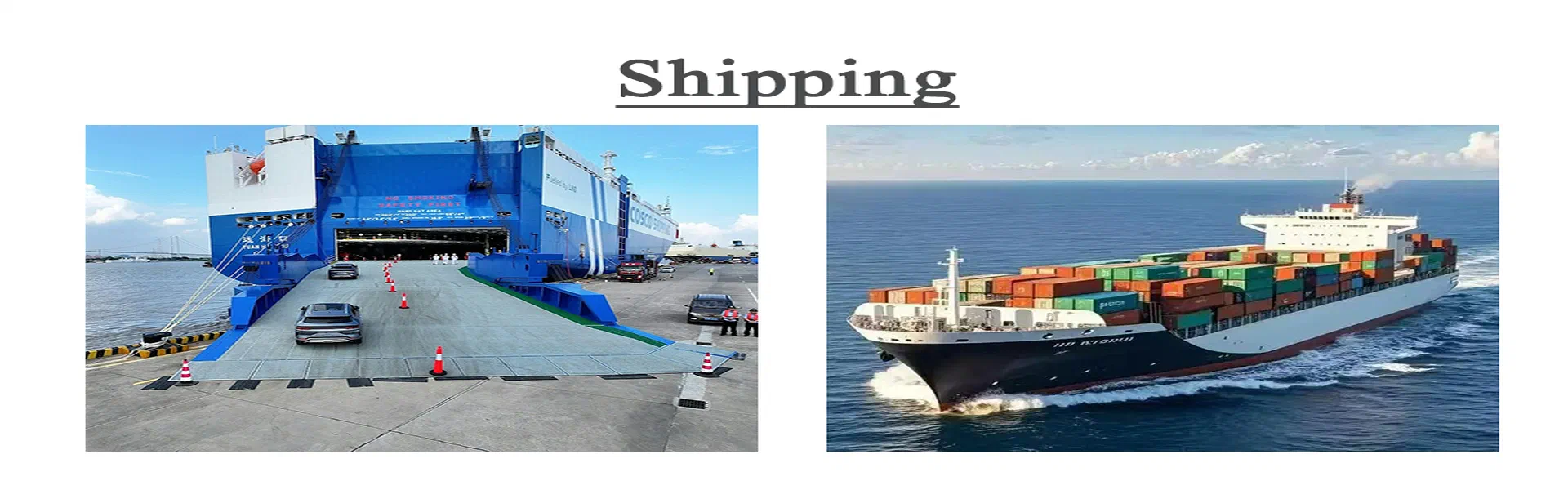
The main shipping choices are RoRo and container freight. RoRo vessels carry vehicles that are driven or moved onto designated vehicle decks. This method generally suits operational vehicles that meet the carrier’s acceptance requirements. It can reduce handling and freight costs compared with container transport, although vehicles are exposed to the normal port and vessel handling environment.
Container shipping is more suitable when additional protection or specific loading arrangements are required. Vehicles are secured inside a container, reducing direct exposure to weather and other cargo-handling activity. However, loading, lashing, container preparation and unloading add costs. Container dimensions, vehicle height and width, loading equipment and carrier rules must be checked in advance. Non-running vehicles may also require special arrangements. Freight quotations should distinguish ocean freight from origin handling, documentation, terminal charges and destination fees.
West African port handling and delivery timelines
For shipments to Ghana, Nigeria, Kenya, Uganda and Tanzania, the destination port and onward transport arrangements should be agreed before booking. West African shipments commonly involve ports such as Tema in Ghana and Lagos-area ports in Nigeria. The selected carrier’s route determines whether a shipment travels directly or through a transshipment hub.
Ocean transit time depends on the departure port, vessel schedule, routing, transshipment and seasonal congestion. A direct sailing and a service involving intermediate ports will not necessarily have the same schedule. Buyers should request an estimated sailing date and transit window separately from the expected port arrival date. Port congestion, customs examinations and incomplete documentation can extend the overall process.
Freight rates also change with vessel capacity, fuel costs, route demand, vehicle dimensions and shipping season. Marine cargo insurance should be considered for both RoRo and container shipments. Buyers need to review the insured value, covered risks, exclusions and claims procedure. Insurance terms should be confirmed before loading, not after a shipment is already at sea.
At the destination port, the consignee or appointed clearing agent receives the arrival notice and prepares the import declaration. The bill of lading, commercial invoice, certificate of origin and other required documents are presented to the relevant authorities. Customs may assess duties and taxes, arrange an examination and verify compliance with local vehicle regulations. Port storage and demurrage charges can accumulate if clearance is delayed. Once customs and port charges are settled, the vehicle can be released for collection or onward transport.
Import rules differ across African markets. Ghana, Nigeria, Kenya, Uganda and Tanzania each apply their own requirements concerning vehicle age, emissions, roadworthiness and left-hand or right-hand drive. Most vehicles sourced from China’s domestic market are left-hand drive. Buyers should therefore confirm drive-side eligibility before purchase, along with current import restrictions and any required inspection or conformity documents. A vehicle that can legally leave China is not automatically eligible for registration in its destination country.
FAQ
Q: Is RoRo or container shipping better for used cars from China?
A: RoRo is generally suitable for operational vehicles when lower freight and simpler loading are priorities. Container shipping offers additional physical protection but usually involves higher handling and loading costs.
Q: What documents are needed to clear a used car at a West African port?
A: Common documents include the bill of lading, commercial invoice, certificate of origin and customs import declaration, alongside any destination-specific vehicle approvals. The importer should confirm the current requirements with a local clearing agent before shipment.