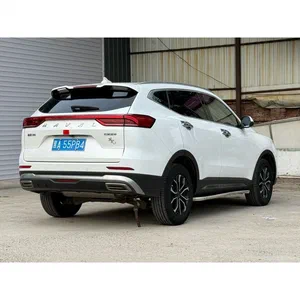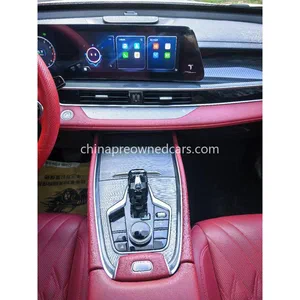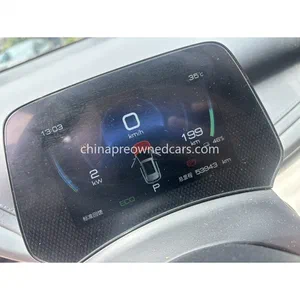
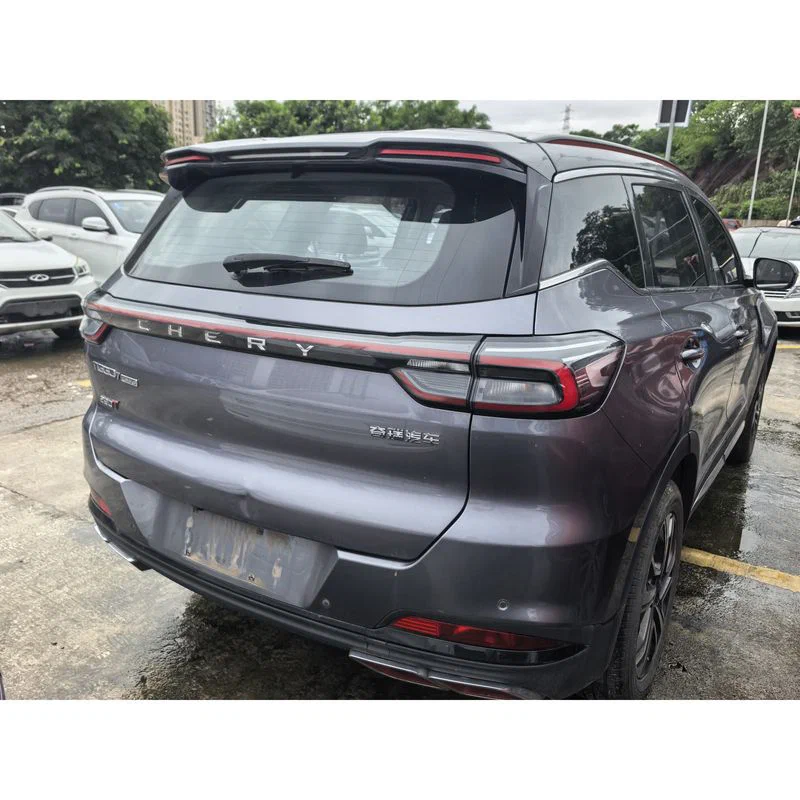
The Haval H6 stands out in the East African market as a versatile vehicle suitable for various road conditions. This model aligns well with the preferences in countries like Kenya, Uganda, and Tanzania, where left-hand drive vehicles are favored. Its design meets the demands of both urban and rural settings, making it an appealing choice for buyers looking for reliability and performance.
Buyers in East Africa often prioritize fuel efficiency, durability, and functionality, especially given the diverse driving conditions. The Haval H6 is equipped with features that cater to these needs, including a spacious interior, advanced safety systems, and good fuel economy. Additionally, its ability to handle rough terrain is beneficial in regions where road infrastructure may be less developed. Understanding the specific requirements of the East African markets will help potential buyers determine the suitability of the H6 for their needs.

When sourcing used vehicles for export, it is important to consider the regulatory environment in destination countries. East African nations have varying import regulations that affect vehicle age, emission standards, and necessary documentation. Most countries enforce specific emission standards that vehicles must meet, and as such, prospective buyers should verify the compliance of the Haval H6 with local regulations. It is advisable to consult local authorities or a trusted importer to ensure that the vehicle aligns with current legal requirements.
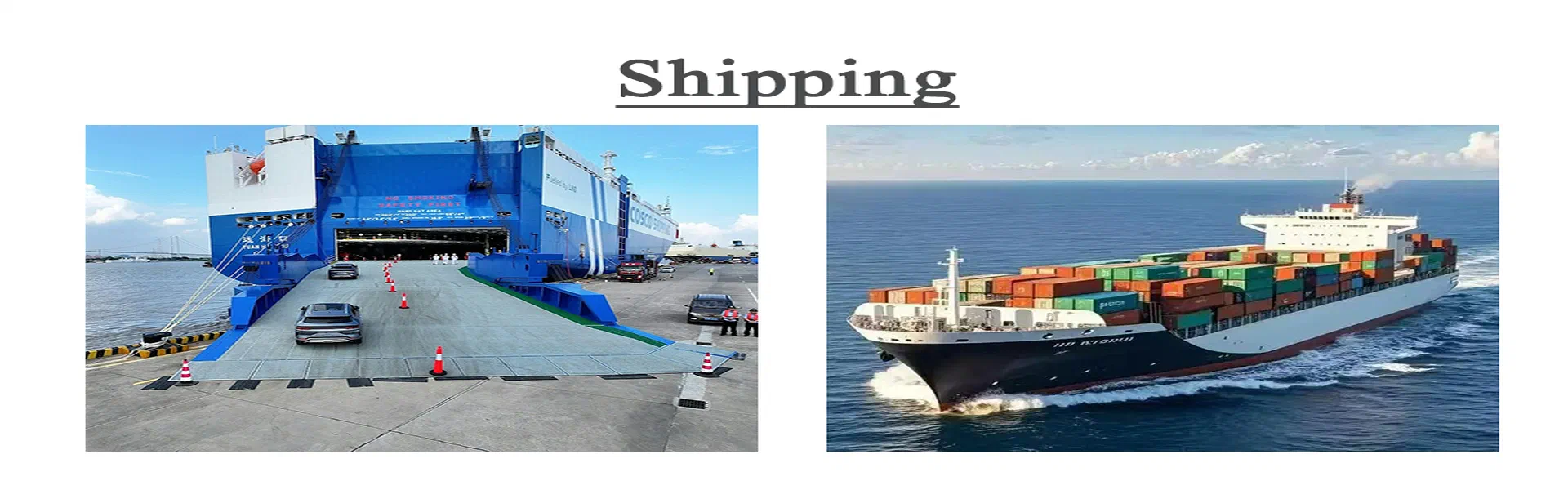
Export logistics play a critical role in the purchase process, particularly regarding shipping methods. Vehicles can be shipped via Roll-on/Roll-off (RoRo) or container shipping, each with its own advantages. RoRo is generally more cost-effective, allowing for quicker loading and unloading at ports. However, it may pose a higher risk of damage during transit since vehicles are exposed during shipping. Container shipping offers better protection but can be more expensive and may require longer lead times. Buyers should weigh these factors based on their budget and risk tolerance.
Freight rates will vary depending on the shipping method, destination port, and current market conditions. For East African ports, transit times typically range from 15 to 25 days, but these can fluctuate based on shipping schedules and weather conditions. Marine insurance is highly recommended to protect against potential loss or damage during the shipping process. Acquiring a bill of lading is essential, as it serves as proof of shipment and is required for customs clearance at the destination port.
Upon arrival at the destination port, the vehicle will undergo customs clearance, which involves verifying that all documentation is in order, including the export license, pre-shipment inspection report, and proof of payment. Buyers should ensure they have all relevant documents ready to facilitate a smooth clearance process. Additionally, after-sales support is an important consideration, as some exporters offer warranties or maintenance packages that can enhance the overall purchasing experience.
FAQ
Q: What should I check before purchasing a used Haval H6? A: Verify the vehicle’s condition, service history, and compliance with local emission standards.
Q: How long does shipping typically take to East African ports? A: Shipping lead times usually range from 15 to 25 days, depending on the method and conditions.
Q: What documents are required for customs clearance? A: Essential documents include the bill of lading, export license, and pre-shipment inspection report.