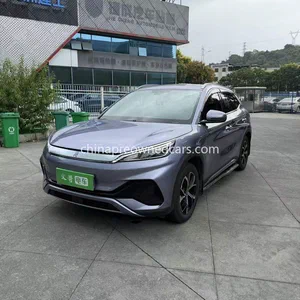
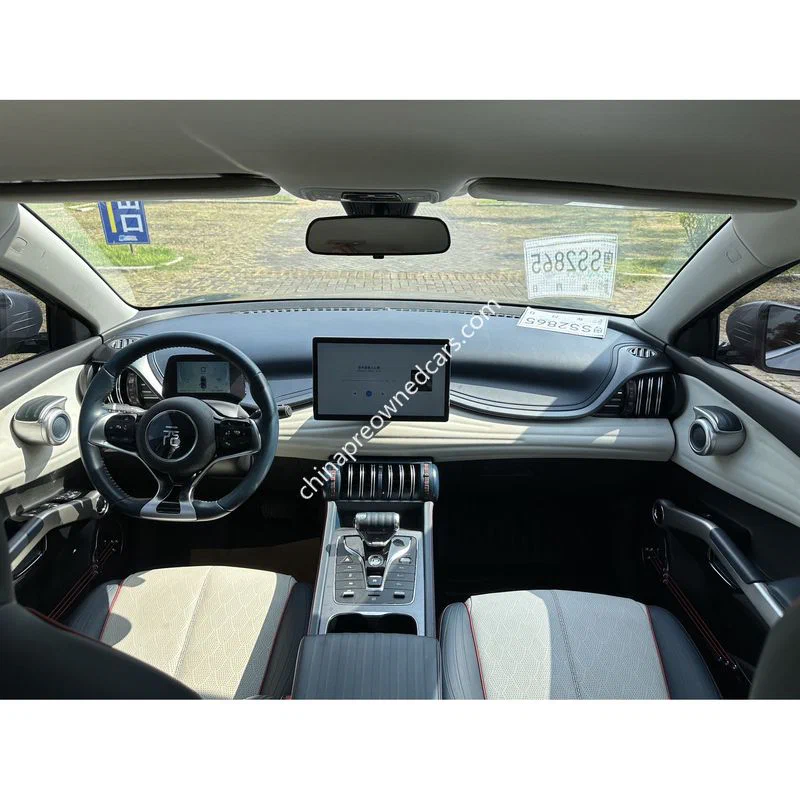
Assessing vehicle condition is a critical step in sourcing quality used cars, particularly when looking for the best value used cars 2026. Buyers must understand how vehicles are graded based on several factors, including cosmetic appearance, mechanical health, mileage, and service history. Each of these criteria plays a role in determining a vehicle’s suitability for export, especially to markets like Ghana, Nigeria, Kenya, Uganda, and Tanzania.
Grading Vehicle Condition

Vehicle condition is often categorized into grades that reflect both cosmetic and mechanical aspects. Grading typically ranges from “excellent” to “poor,” with specifics often including:
- Cosmetic Condition: This entails the exterior and interior appearance, including paint quality, upholstery, and any visible wear or damage.
- Mechanical Health: Buyers should request a report detailing engine performance, transmission functionality, and any mechanical issues.
- Mileage Bands: Vehicles are often categorized by mileage ranges, typically considered high, medium, or low. Lower mileage generally indicates less wear and tear.
- Service History: A comprehensive service history can provide insights into how well the vehicle has been maintained.
Determining these aspects often requires thorough inspection and verification to ensure accuracy.
Inspection and Verification
Pre-shipment inspection is a crucial procedure in the export process. This inspection covers mechanical components, safety features, and overall roadworthiness. However, it does not guarantee the absence of hidden defects, so buyers should also consider a comprehensive pre-purchase inspection.
Buyers should verify claims made by sellers, especially regarding vehicle condition. This includes checking:
- VIN Verification: Confirm the vehicle’s history and ensure it matches the seller’s claims.
- Inspection Reports: Scrutinize any documentation provided, looking for consistency with the vehicle’s current condition.
- Test Drives: If possible, conducting a test drive can reveal issues that may not be apparent in a static inspection.
Understanding the terminology used in vehicle grading is also important. Terms like “export-grade” or “dealer-grade” often imply that a vehicle is in a condition suitable for resale or export, but these can vary by seller.
Export Logistics
After confirming vehicle condition, the logistics of exporting used vehicles from China must be addressed. The two primary shipping methods are Roll-on/Roll-off (RoRo) and container shipping. Each method has its benefits and drawbacks.
- RoRo Shipping: This method is generally more cost-effective and faster. Vehicles are driven directly onto a ship, which minimizes handling but exposes them to potential weather-related risks.
- Container Shipping: While typically more expensive, this method provides better protection against damage. Containers can hold multiple vehicles, but loading constraints may limit the number of vehicles per shipment.
Importantly, freight rates may vary based on shipping method, destination port, and current market conditions. Buyers should also consider marine insurance to cover potential damages during transit.
Documentation and Customs Clearance
Exporting vehicles entails a considerable amount of documentation, including bills of lading, export licenses, and customs declarations. Accurate documentation is vital for smooth customs clearance in destination markets.
Each destination country has its own regulations regarding vehicle age, emission standards, and roadworthiness. Buyers should familiarize themselves with these regulations, as they can impact the import process. It is crucial to ensure that all documentation aligns with the requirements of the importing country to avoid delays.
Practical Buyer Guidance
Before finalizing a purchase, buyers should verify several key factors. This includes:
- Condition Confirmation: Ensure that the vehicle condition aligns with the seller’s description and any inspection reports.
- Payment Terms: Understand the payment structure, including deposits and final payments, to avoid issues.
- Shipping Lead Times: Factor in transit times, which can vary based on the shipping method chosen and destination port.
After-sales support is also an important consideration. Buyers should inquire about warranty options, return policies, and any available after-sales services.
FAQ
Q: What is the importance of service history in used vehicles?
A: A comprehensive service history indicates how well the vehicle has been maintained, which can affect its reliability and value.
Q: How do I choose between RoRo and container shipping?
A: The choice depends on budget and risk preference; RoRo is faster and cheaper, while container shipping offers better protection.