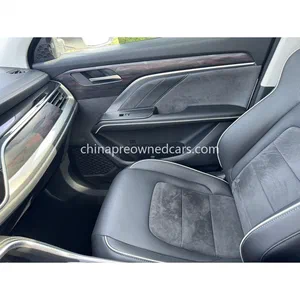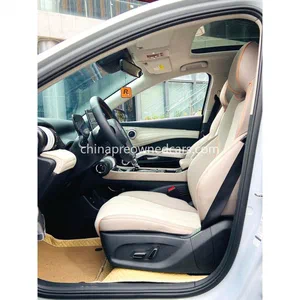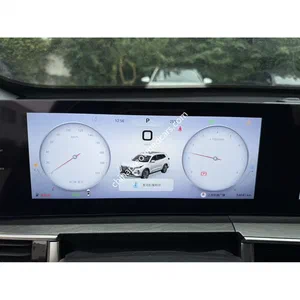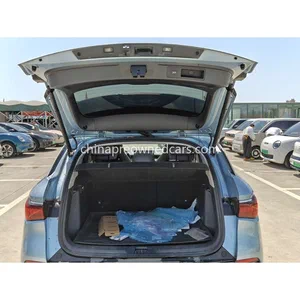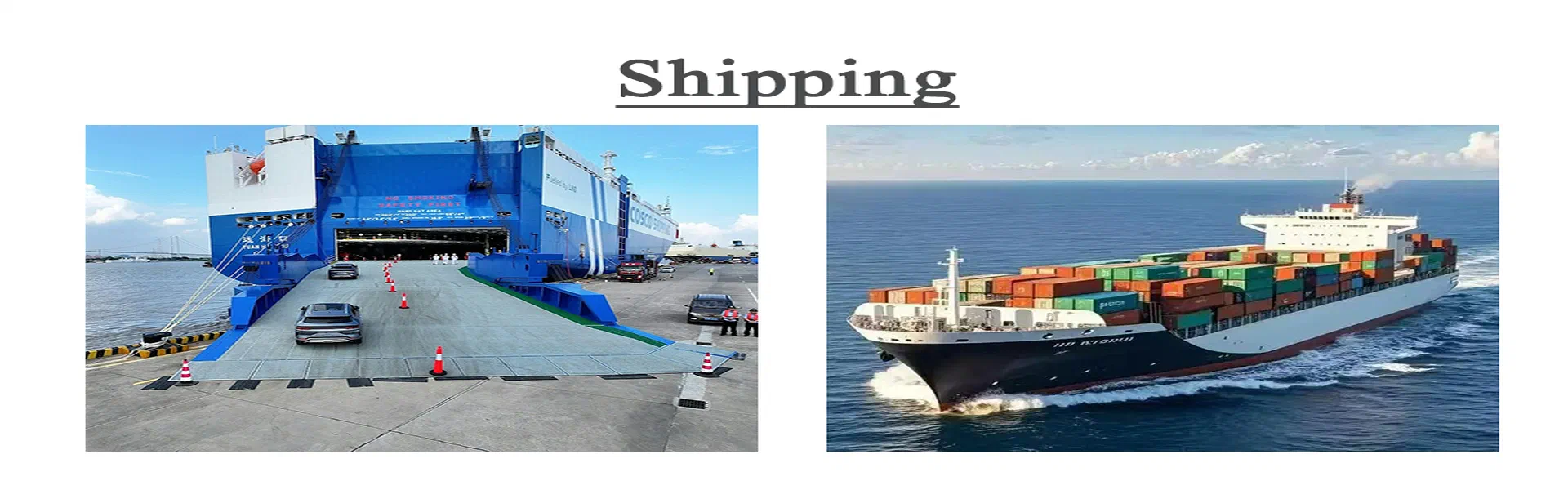
Used vehicles exported from China to West Africa pass through several stages before reaching the buyer: vehicle selection, pre-shipment inspection, export customs clearance, ocean freight and destination port handling. For buyers in Ghana, Nigeria, Kenya, Uganda and Tanzania, the shipping method and documentation requirements should be confirmed before the vehicle leaves China. Each stage affects the final cost, transit schedule and condition of the vehicle on arrival.
The process begins with vehicle inspection and export preparation. Before shipment, the exporter arranges a physical inspection covering the bodywork, paint, tyres, glass, lights, engine or electric drive system, transmission, brakes and interior equipment. The inspection should also record the odometer reading and check the vehicle identification number (VIN) against its documents. For electric models such as the BYD Atto 3, battery state of health, charging functions and available battery diagnostic records require particular attention. A pre-shipment inspection report provides a record of the vehicle’s observed condition, but buyers should agree in advance on the inspection scope and any certification required by the destination authority. Once the vehicle passes the agreed checks, the exporter prepares the export licence, commercial invoice, packing list where applicable, customs declaration and certificate of origin. Customs authorities review the declaration before export clearance. The bill of lading is issued by the shipping carrier after the vehicle has been accepted for shipment. Buyers should check that the VIN, consignee details and shipment information match across the relevant documents. Working with the best used auto dealership for export means examining its documentation process as carefully as its vehicle sourcing.
RoRo and container shipping serve different shipment requirements. Roll-on/roll-off (RoRo) vessels allow vehicles to be driven or moved onto designated decks and secured for ocean transport. This is generally a practical option for standard passenger SUVs, particularly when shipping several vehicles through a regular vehicle carrier service. It can offer lower freight costs, although vehicles may be exposed to port handling activity and shared vessel conditions. Container shipping places vehicles inside a sealed container, with suitable securing materials and loading procedures. It offers greater control over exposure during transit and can suit higher-value vehicles, mixed cargo or shipments requiring additional protection. However, container dimensions, loading equipment, securing arrangements and handling costs must be considered. Freight rates depend on vehicle dimensions, shipment volume, departure and destination ports, carrier availability, seasonal demand and fuel-related surcharges. Marine insurance should also be discussed before booking. Buyers need to review the insured value, covered risks, exclusions and claims procedure rather than assume that standard freight charges include comprehensive protection.

After export clearance, the vehicle moves to the departure port for terminal acceptance, documentation checks and loading. Transit time to West African ports varies according to the sailing route, carrier schedule, transshipment requirements and port congestion. Buyers should distinguish ocean transit time from the full shipping lead time, which also includes inspection, customs processing, vessel waiting time and destination clearance. On arrival, the carrier or its local agent issues an arrival notice and provides instructions for obtaining the release documents. The consignee or appointed clearing agent submits the bill of lading, commercial invoice, certificate of origin and other documents requested by local authorities. Import duties, taxes, vehicle inspections and registration requirements are assessed under the current rules of the destination country. Ghana and Nigeria, for example, have their own vehicle import procedures, while buyers in Kenya, Uganda and Tanzania must verify their respective requirements. Most Chinese domestic vehicles are left-hand drive, so drive-side compatibility must be checked before purchase. Vehicle age restrictions, emissions rules and roadworthiness requirements also vary. A clear agreement on port charges, demurrage responsibility, insurance and document delivery helps prevent avoidable costs after arrival.
FAQ
Q: How long does it take to ship a used car from China to West Africa?
A: The schedule depends on vessel availability, routing, transshipment and port congestion. Buyers should request separate estimates for export preparation, ocean transit and destination clearance.
Q: Is RoRo or container shipping better for used SUVs?
A: RoRo is often suitable for standard SUVs and can reduce freight costs. Containers offer more protection from external exposure but involve loading constraints and potentially higher handling costs.
Q: What documents are required to import a used car from China?
A: Common documents include the bill of lading, commercial invoice, certificate of origin and export documentation. Additional inspection certificates and import permits may be required under the destination country’s current regulations.