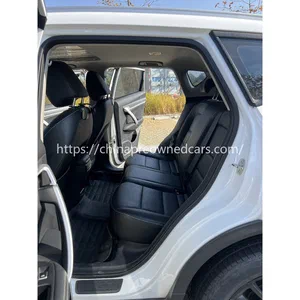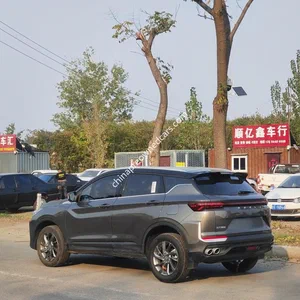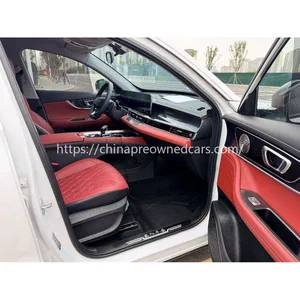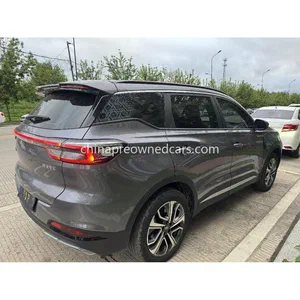
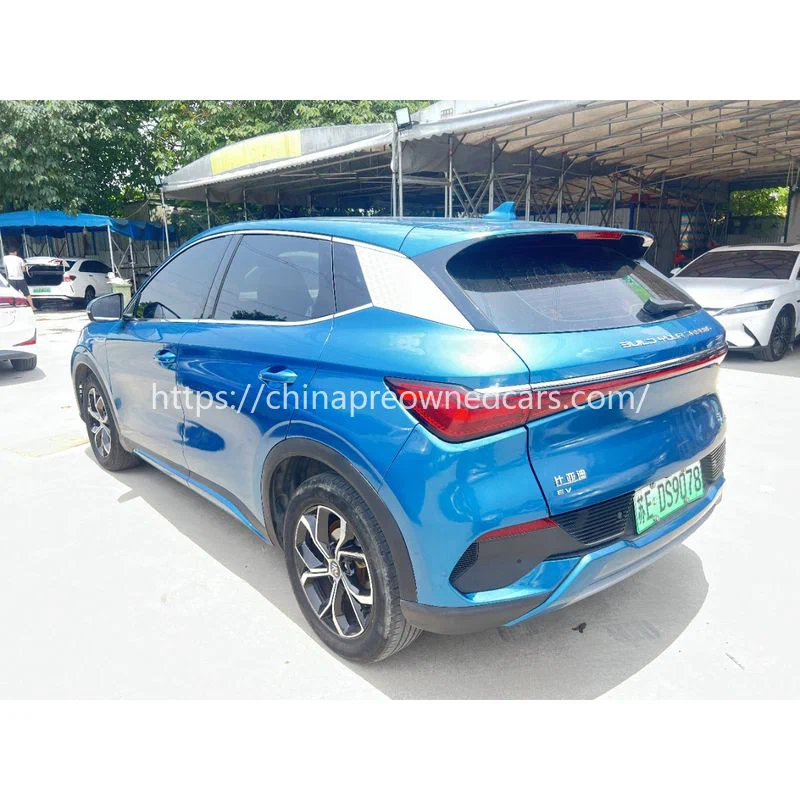
Exporting electric and hybrid all-wheel-drive SUVs from China requires a thorough understanding of various factors, including battery health assessment, compliance with local regulations, and logistics for shipping to international markets. Key models such as the BYD Atto 3, Chery Tiggo 7 Plus, and Haval H6 are increasingly popular selections for buyers in Africa and other regions. These vehicles must undergo careful evaluation to ensure they meet the specific needs of the target market, particularly regarding battery state-of-health and compatibility with local charging infrastructure.
Battery assessments should focus on the state of health (SoH), which can significantly impact resale value. Additionally, different markets may have varying requirements for charging connectors such as GB/T, CCS, and CHAdeMO. Buyers should confirm the standards accepted in their destination countries. For instance, while some regions may have adequate charging infrastructure, others might still be developing their electric vehicle (EV) networks, making it crucial to evaluate these conditions before proceeding with a purchase.
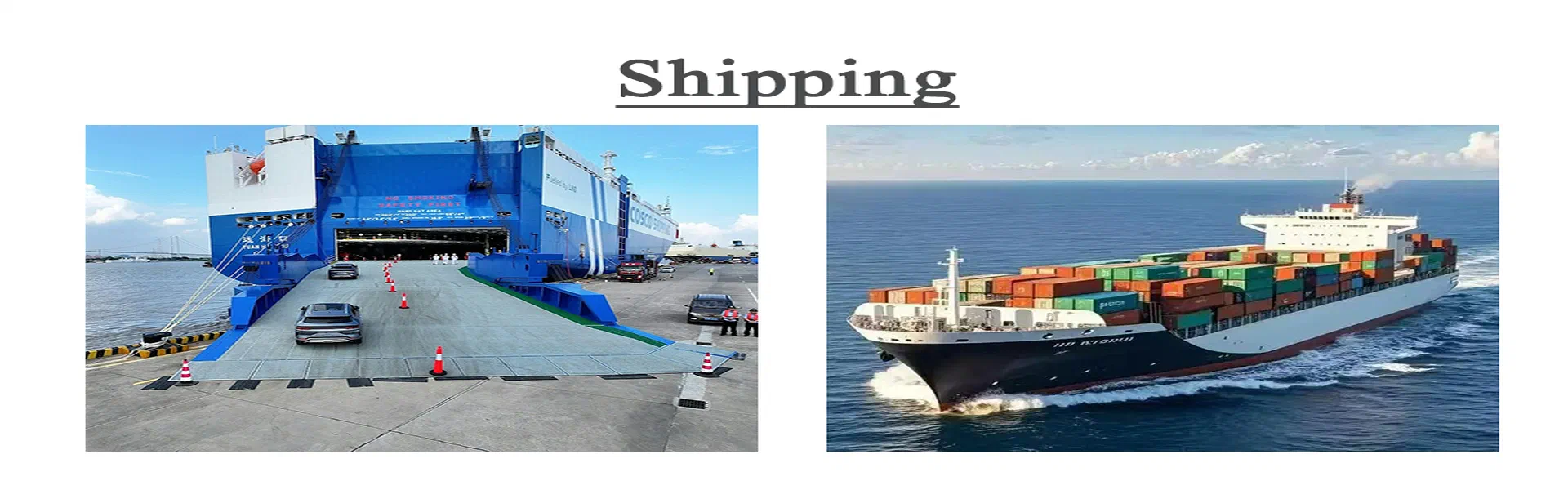
Export logistics involve critical procedures, including pre-shipment inspections and customs clearance. Vehicles must be inspected to ensure they comply with safety and emission standards set by the destination market, which can differ widely. Export licenses and documentation are essential for smooth transit; buyers should ensure all paperwork is complete to avoid delays. Vehicles can be shipped via RoRo (Roll-on/Roll-off) or container shipping, each having its advantages and disadvantages. RoRo is generally more cost-effective, but it poses a higher risk of damage during transit compared to container shipping.
Freight rates can fluctuate based on several factors, including fuel costs and shipping demand. Transit times to West African ports typically range from 15 to 25 days; however, these can vary depending on the shipping method and the specific port involved. Marine insurance is advisable to mitigate risks during transport. Upon arrival, the bill of lading serves as proof of ownership and must be presented for customs clearance at the destination port, ensuring compliance with local import regulations.

Potential buyers seeking the best used AWD or 4WD vehicles should conduct thorough verification of a vehicle’s condition, including inspection reports and service history. Payment terms should be clearly defined, with reliable after-sales support being a critical consideration. Understanding local regulations regarding vehicle age limits and emission standards will further aid in making informed purchasing decisions. Each market may impose its own unique restrictions, making it essential to stay updated on current import rules.
FAQ
Q: What should I check before purchasing an electric SUV for export?
A: Verify the battery state-of-health, charging compatibility with local standards, and ensure all documentation is complete for export.
Q: What are the shipping options for exporting vehicles to Africa?
A: Vehicles can be shipped via RoRo or container shipping, with each method offering distinct advantages regarding cost and safety.