
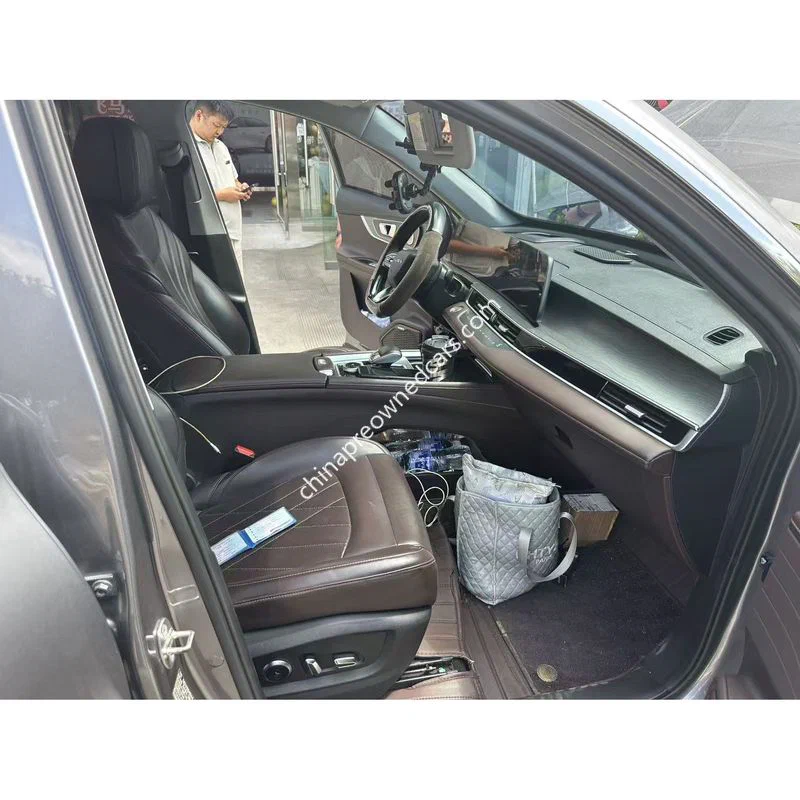
When considering the purchase of a pre-certified vehicle for export, several key factors must be verified to ensure the quality and compliance of the vehicle with local regulations. Buyers should focus on the vehicle’s mileage, service history, accident records, and for electric vehicles, the health of the battery. It is essential to request documentation such as the inspection report, export license, and customs clearance paperwork to ensure that all procedures have been properly adhered to.
Export Procedures
The export process involves several steps, including pre-shipment inspections, customs clearance, and ensuring compliance with destination regulations. Vehicles are typically shipped using either Roll-on/Roll-off (RoRo) or container methods. RoRo is often more cost-effective, allowing vehicles to be driven directly onto the ship, but it may present a higher risk of damage during transit. Container shipping, while generally safer, can incur higher costs and may have constraints based on the vehicle’s dimensions. Buyers should also consider marine insurance to protect their investment during shipping.
At the destination port, customs clearance will require specific documentation. It is crucial for buyers to confirm the documentation needed, as it can vary by country. For instance, in the West African markets of Ghana, Nigeria, Kenya, Uganda, and Tanzania, there are specific requirements regarding left-hand drive vehicles and emissions standards that must be met. Buyers should verify the local regulations to avoid complications upon arrival.
Assessing Exporter Credibility

Before finalizing a purchase, assess the credibility of the exporter. This includes reviewing customer testimonials, checking for proper licensing, and ensuring they have a history of successful transactions in the targeted markets. Payment terms should also be clarified; common practices involve secure payment methods and possibly an escrow service to protect both parties. Buyers should be aware of potential issues, such as unexpected additional fees or delays in shipping, which can affect the overall experience.
It is also advisable to conduct a thorough quality assessment of the vehicle. This includes verifying the Vehicle Identification Number (VIN) to ensure authenticity and inspecting for any signs of tampering. Understanding the condition of the vehicle, including service history and previous usage, is critical to making an informed decision. Buyers should be prepared to ask detailed questions and request evidence of the vehicle’s history to avoid future disputes.
FAQ
Q: What should I check before purchasing a used vehicle for export?
A: Verify the vehicle’s mileage, service history, accident records, battery health for EVs, and request documentation like the inspection report.
Q: How do I assess the credibility of an exporter?
A: Review customer testimonials, check licensing, and ensure they have a track record of successful transactions in your target market.