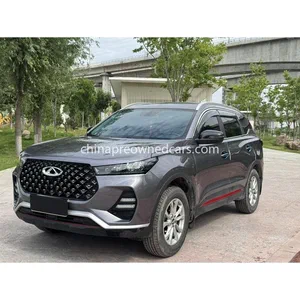
The export process for 7-seater cars from China involves several critical stages, ensuring compliance with regulations and facilitating smooth logistics. This article outlines the export workflow, including pre-shipment inspection, necessary documentation, shipping methods, and handling at destination ports.
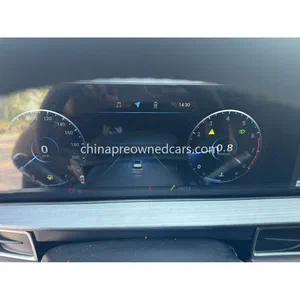
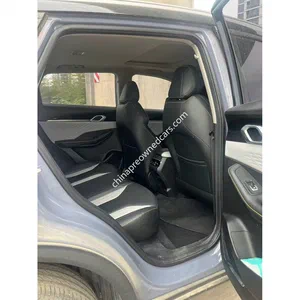
Pre-shipment inspection is mandatory for used vehicles to verify their condition and compliance with destination market requirements. Inspectors check various aspects, including overall vehicle condition, mileage, and functionality of key components. Certification is required to confirm that the vehicle meets local standards, particularly regarding emissions and safety. Buyers should ensure that the vehicle has passed the inspection and request the relevant certification documents.
Export documentation is crucial for customs clearance at both the origin and destination. Essential documents include the customs declaration, bill of lading, and certificate of origin. The customs declaration provides detailed information about the vehicle, including its identification number and value. The bill of lading serves as proof of shipment and outlines the shipping terms. Buyers should verify that all documentation is accurate and complete to prevent delays during the customs process.
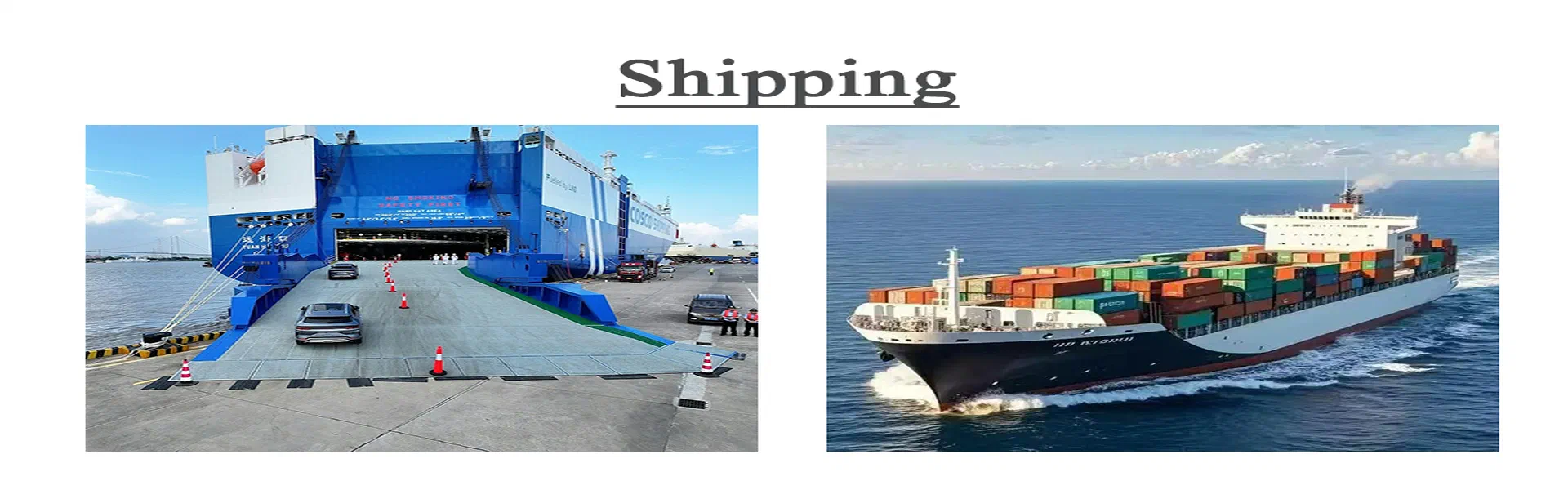
Shipping methods can vary depending on the specifications and requirements of the vehicle being exported. Roll-on/roll-off (RoRo) shipping is often a cost-effective choice for vehicles, allowing them to be driven directly onto the vessel. However, it carries a higher risk of damage due to exposure during transit. On the other hand, container shipping offers better protection but may involve higher costs and loading constraints. Buyers should weigh the pros and cons of each method based on their budget and risk tolerance.
Upon arrival at the destination port, vehicles undergo customs clearance, where officials check documentation and inspect the vehicle. Depending on the country, additional fees may apply, and import regulations can vary widely. Buyers should familiarize themselves with the specific import rules for their target market, particularly regarding vehicle age, emissions standards, and left-hand drive configurations, as most Chinese vehicles adhere to LHD specifications.

Typically, shipping lead times to West African ports range from a few weeks to over a month, depending on the shipping method and port of origin. Buyers should plan accordingly and confirm the estimated transit times with their exporter. Marine insurance is also recommended to cover potential risks during transit, providing peace of mind in the event of unforeseen incidents.
FAQ
Q: What is included in the pre-shipment inspection? A: The pre-shipment inspection checks the vehicle’s condition, mileage, and key components to ensure compliance with destination market requirements.
Q: How long does shipping usually take to West African ports? A: Shipping lead times to West African ports typically range from a few weeks to over a month, depending on the method used.
Q: What documents are necessary for customs clearance? A: Necessary documents include the customs declaration, bill of lading, and certificate of origin, all of which must be accurate and complete.