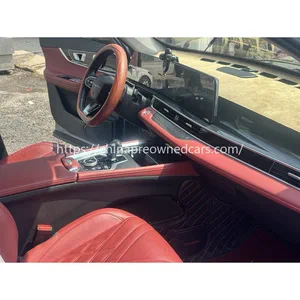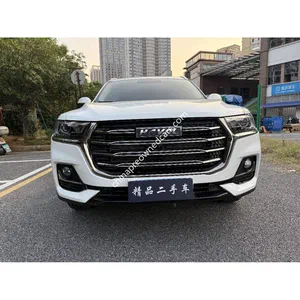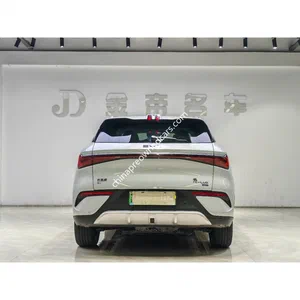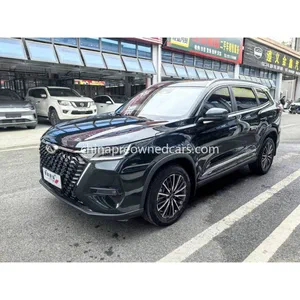
China’s used vehicle export market is increasingly targeting African nations, where specific requirements shape buyer preferences. As demand rises for pre-owned vehicles, understanding the unique characteristics of the market is essential. This article focuses on what buyers in countries like Ghana, Nigeria, Kenya, Uganda, and Tanzania need to consider when sourcing used electric and hybrid SUVs, including vehicle specifications, export logistics, and local regulations.
Market Requirements

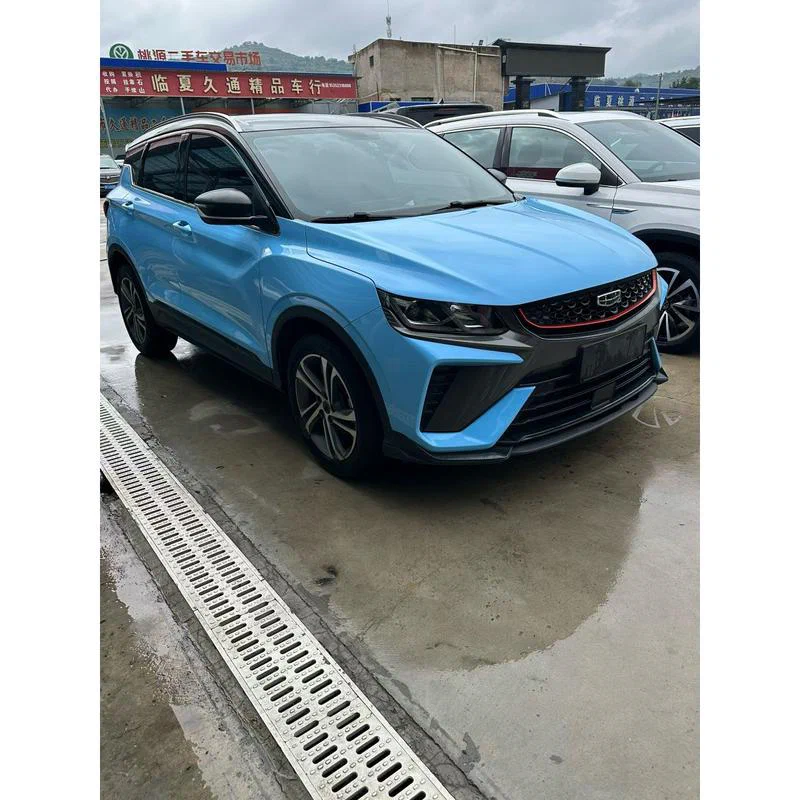
African markets present distinct challenges and opportunities for used vehicle imports. Most of the inventory from Chinese exporters, such as the BYD Atto 3, Chery Tiggo 7 Plus, Chery Tiggo 8 Pro, Geely Coolray, and Haval H6, typically features left-hand drive configurations. Buyers should ensure compatibility with local driving conditions, particularly in nations like Ghana and Nigeria where left-hand drive is standard. Additionally, vehicle age and emissions standards can vary significantly by country; thus, it is advisable to verify the latest regulations regarding acceptable vehicle age and emissions compliance before proceeding with a purchase.
Vehicle Specifications and Features
The models available through Chinese exporters often come equipped with modern features suitable for various road conditions found in these markets. The electric and hybrid SUVs offer advantages in fuel efficiency and lower running costs, aligning with the growing infrastructure for electric vehicles in urban centers. Factors such as battery health, service history, and overall vehicle condition should be prioritized during the selection process. Potential buyers should conduct thorough inspections of the vehicles and request detailed reports to assess the condition and suitability for their specific needs.
Export Logistics
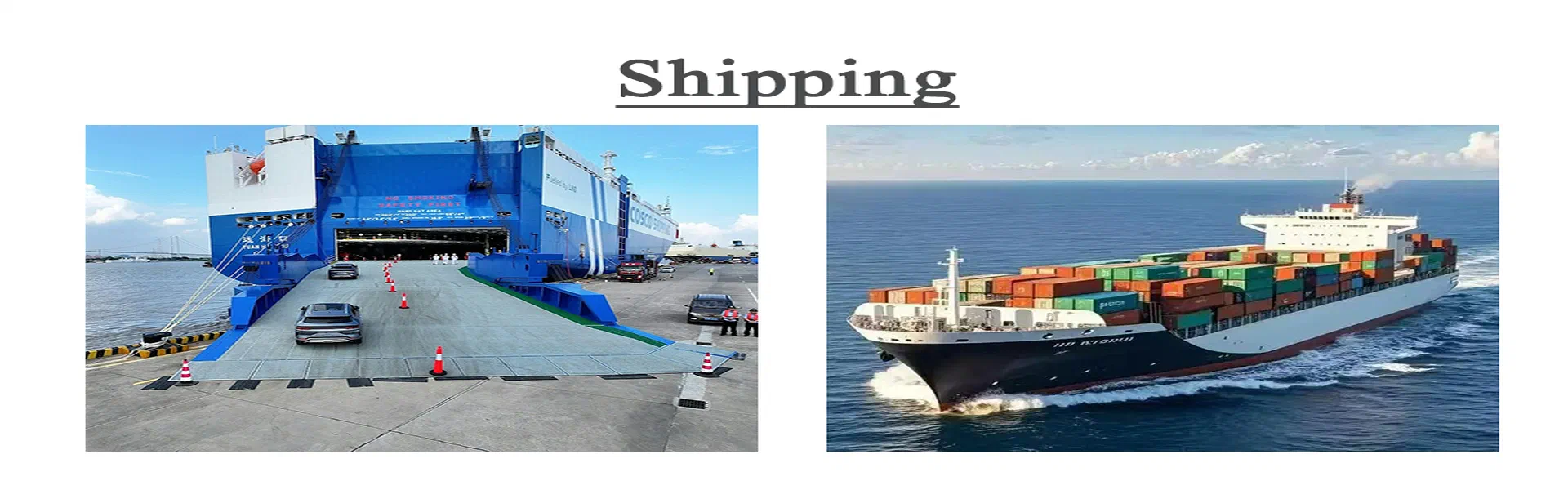
Export procedures for used vehicles from China involve several critical steps. Vehicles are generally subject to pre-shipment inspections to ensure they meet international standards. This is followed by customs clearance, which requires meticulous documentation to facilitate smooth transit. Buyers have two primary options for shipping: RoRo (Roll-on/Roll-off) and container shipping.
RoRo shipping is often more cost-effective but carries slightly higher risks of damage due to exposure during transit. Container shipping, while generally more secure, can incur additional costs and may have loading constraints. Transit times to West African ports typically range from 15 to 25 days, depending on the shipping method and specific route chosen.
Customs and Documentation
Proper documentation is essential for seamless customs clearance at the destination port. This includes the bill of lading, export license, and any certificates required by local authorities. Each market has its own import regulations, which can include duties and taxes that vary widely. It is advisable to consult with a local customs agent to understand the full scope of requirements and potential costs before finalizing a purchase.
Practical Buyer Guidance
When sourcing a vehicle for export, buyers should engage in detailed due diligence. This includes verifying the VIN (Vehicle Identification Number) and conducting a quality assessment to ensure the vehicle meets their standards. Payment terms typically vary; buyers should discuss these details with their exporter to ensure clarity and security in transactions. After-sales support is also a critical factor to consider, as it can significantly affect the long-term satisfaction and performance of the vehicle in its new environment.
Conclusion
Understanding the intricacies of the used vehicle export market to Africa is vital for successful transactions. Buyers must prioritize vehicle specifications, comply with local regulations, and navigate the logistics of shipping and customs clearance effectively. By doing so, they can make informed decisions that lead to satisfactory outcomes in their vehicle acquisitions.
FAQ
Q: What should I check before purchasing a used vehicle for export?
A: It’s important to verify the vehicle’s condition, service history, and compliance with local regulations, including emissions standards.
Q: How long does shipping typically take from China to West Africa?
A: Shipping usually takes between 15 to 25 days, depending on the shipping method and route chosen.