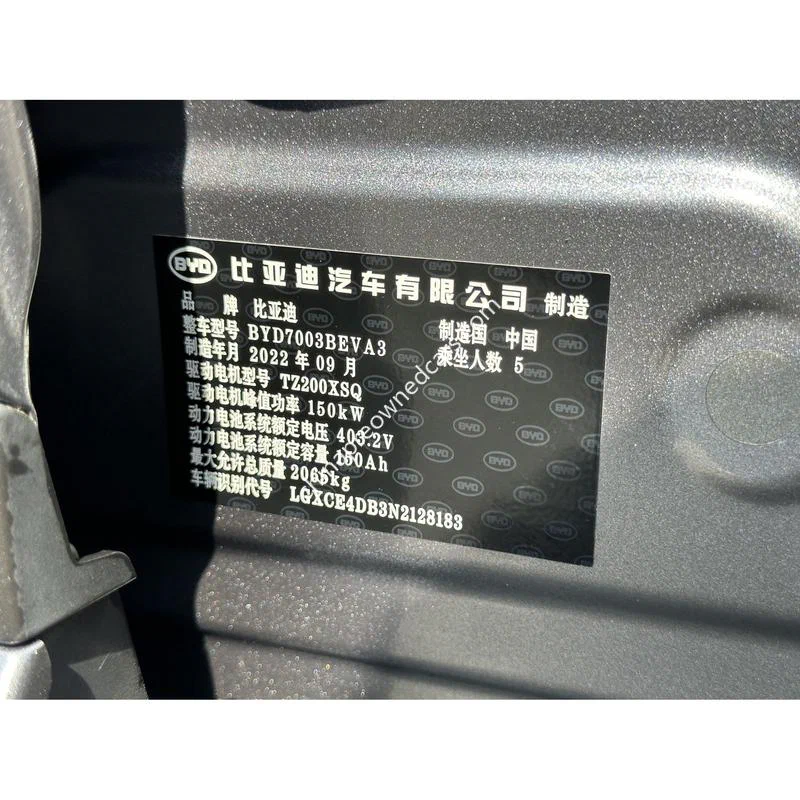
The export process for pre-owned vehicles from China involves several critical steps that ensure compliance with international regulations and the specific requirements of destination markets. This process begins with pre-shipment inspection, where vehicles undergo thorough checks for mechanical condition, safety features, and overall roadworthiness. Certification is typically required to confirm that the vehicle meets the necessary standards. Buyers should be aware that they are responsible for verifying the vehicle’s condition and history through available inspection reports and documentation.
Export documentation is essential for smooth customs clearance and includes the bill of lading, customs declaration, and certificate of origin. Each document serves a vital role: the bill of lading acts as a receipt and contract between the shipper and carrier, while the customs declaration provides detailed information about the vehicle for regulatory approval. Buyers should ensure that all documents are accurate and complete to avoid delays at both the departure and destination ports.
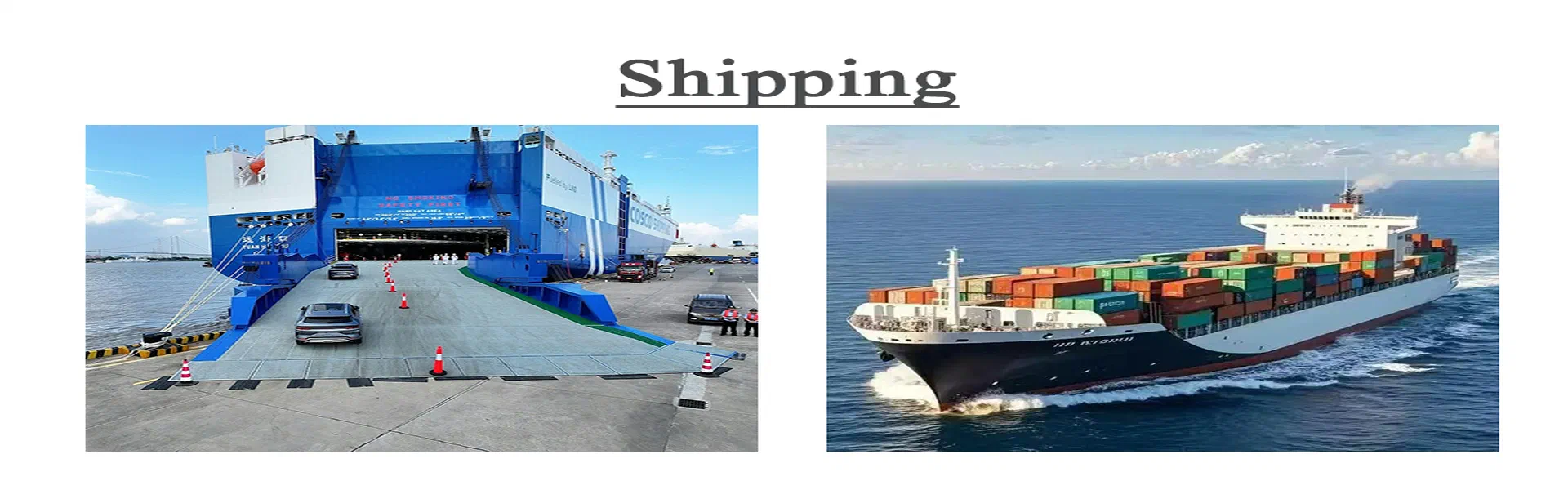
Shipping methods also significantly impact the logistics of vehicle export. Roll-on/roll-off (RoRo) shipping is often the most cost-effective method for transporting vehicles, allowing them to be driven directly onto the vessel. However, this method carries a higher risk of damage due to exposure during transit. Conversely, container shipping provides better protection against environmental factors but may be more expensive, especially for vehicles that do not fit standard container sizes. Buyers should evaluate the trade-offs between cost and risk when selecting a shipping method.
Upon arrival at the destination port, several processes occur, including unloading and customs clearance. Import regulations may vary significantly by country, affecting the vehicle’s age, emission standards, and required inspections. Buyers should consult with local authorities or customs brokers to confirm the specific rules that apply to their imports. Typical lead times for shipping vehicles to West African ports can range from 15 to 25 days, depending on the shipping method and distance from the port of origin. Marine insurance is also recommended to mitigate potential losses during transit.

FAQ
Q: What is included in the pre-shipment inspection?
A: The pre-shipment inspection typically checks the vehicle’s mechanical condition, safety features, and general roadworthiness.
Q: How long does shipping usually take to West African ports?
A: Shipping lead times to West African ports typically range from 15 to 25 days, depending on the shipping method.
Q: What documents are needed for exporting a vehicle?
A: Essential documents include the bill of lading, customs declaration, and certificate of origin.