The export process for used vehicles from China involves several key steps, starting with the pre-shipment inspection. This inspection is crucial as it assesses the vehicle’s condition, checking factors such as engine performance, body integrity, and overall functionality. Additionally, necessary certification is obtained to confirm that the vehicle meets the destination market’s regulations. This inspection ensures that buyers receive a vehicle that is fit for purpose and complies with local laws.
Following the inspection, export documentation is prepared. This includes the customs declaration, bill of lading, and certificate of origin, all of which are critical for smooth customs clearance at both the exporting and importing ports. Each document serves a specific purpose: the customs declaration provides information about the vehicle and its value, the bill of lading serves as a receipt for the goods, and the certificate of origin confirms where the vehicle was manufactured. Buyers should ensure that these documents are accurate and complete to avoid delays during customs processing.
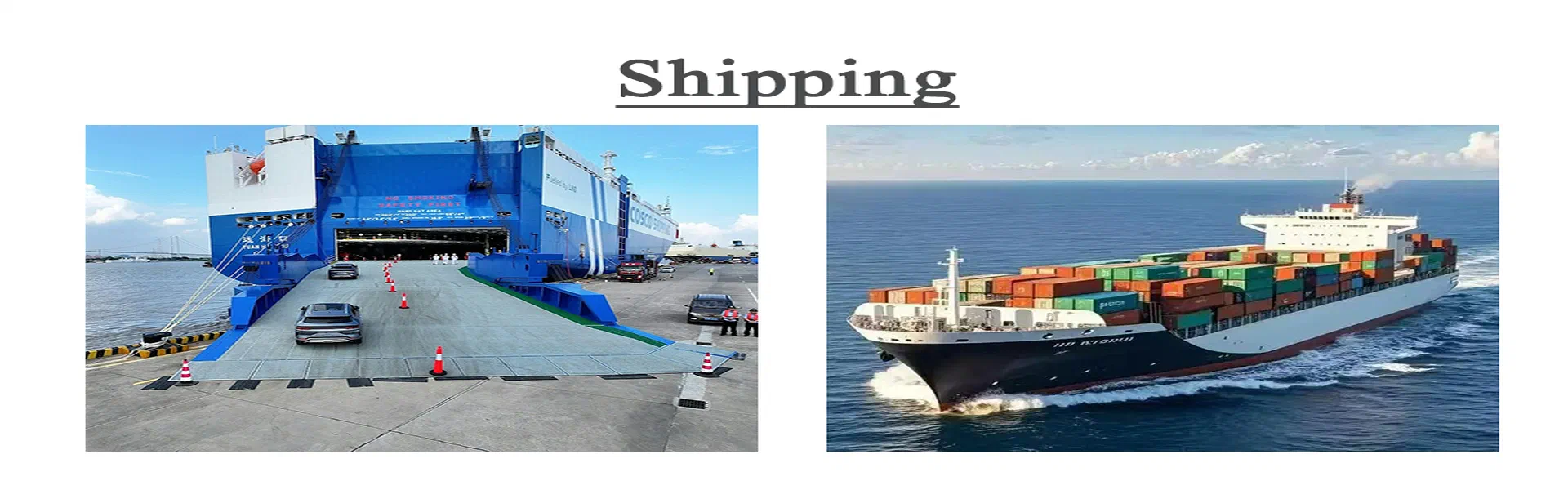
Shipping methods significantly affect the logistics of exporting vehicles. The two primary options are Roll-on/Roll-off (RoRo) and container shipping. RoRo is often more cost-effective for larger shipments, where vehicles are driven onto the ship and secured for transit. However, it carries a higher risk of damage due to exposure to the elements. Conversely, container shipping offers better protection against damage but can be more expensive and may have loading constraints. Factors such as shipping distance, vehicle size, and destination port availability influence the choice between these methods.
Transit times to West African ports vary, but shipping usually takes several weeks depending on the origin and destination. For example, shipments to Ghana and Nigeria may experience different lead times due to port congestion or local regulations. It is advisable for buyers to plan for potential delays and verify the typical shipping duration with their exporter. Marine insurance may also be considered to protect against potential loss or damage during transit.
Once the vehicles arrive at the destination port, there are additional handling procedures to consider. Import duties and taxes must be paid, and the vehicles must clear customs before they can be released to the buyer. The local regulations regarding vehicle age, emission standards, and documentation requirements may differ significantly between countries like Kenya and Uganda. Buyers should confirm the specific regulations that apply to their market to ensure compliance.
In addition to understanding the logistics of the export process, buyers should verify several details before making a purchase. This includes checking the vehicle’s condition, obtaining a pre-purchase inspection report, and clarifying payment terms and after-sales support. Establishing a reliable line of communication with the exporter can help address any concerns that may arise during the purchase and shipping process.

FAQ
Q: What is the purpose of pre-shipment inspection?
A: Pre-shipment inspection assesses the vehicle’s condition and ensures it meets the destination market’s regulations.
Q: How long does shipping typically take to West African ports?
A: Shipping times can vary but usually take several weeks, depending on the origin and destination.
Q: What documents are needed for exporting a vehicle?
A: Essential documents include the customs declaration, bill of lading, and certificate of origin.