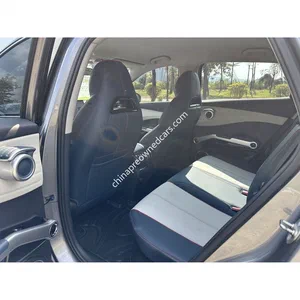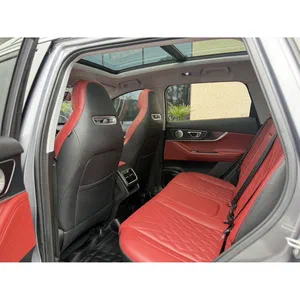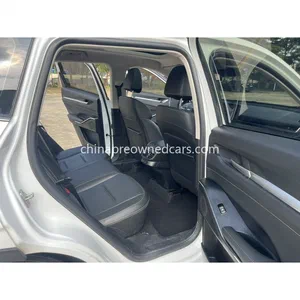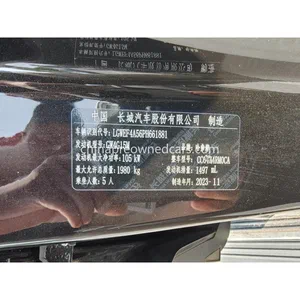
Exporting a used electric SUV from China to West Africa requires more than checking its odometer and exterior condition. Battery state of health (SOH), charging compatibility, dangerous goods classification and shipping arrangements all affect the vehicle’s suitability and landed value. Buyers sourcing electric vehicles for Ghana, Nigeria, Kenya, Uganda and Tanzania should assess these factors before confirming a purchase or booking ocean freight.
Battery Health and Charging Compatibility Before Export
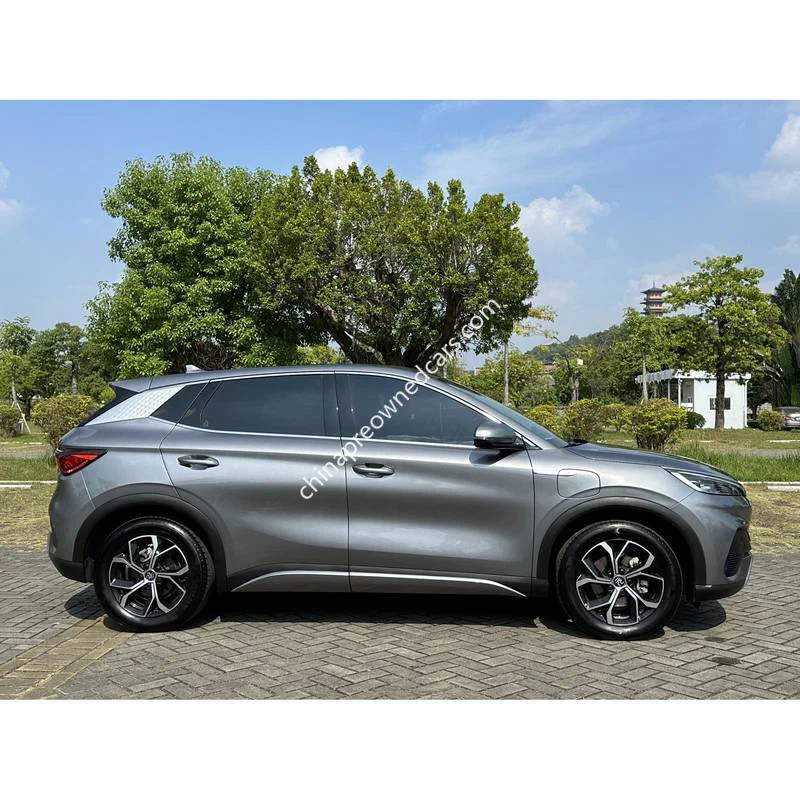
Battery state of health is one of the most important indicators when evaluating a pre-owned electric SUV. SOH describes the battery’s remaining capacity relative to its original usable capacity. A vehicle may show a reasonable mileage figure but still have significant battery degradation from frequent fast charging, high temperatures, prolonged storage or repeated deep discharging. Buyers should request a diagnostic report showing battery SOH, available capacity, cell voltage differences, fault codes and charging history where available. A battery inspection should also identify warning messages, cooling-system problems and evidence of previous battery repairs. The report date and vehicle identification number (VIN) should match the vehicle being purchased. For models such as the BYD Atto 3, checking the battery management system is particularly relevant to assessing remaining range and potential resale value. The advertised driving range should never be treated as a guaranteed real-world figure.
Charging compatibility needs equal attention. Chinese-market electric vehicles commonly use GB/T connectors, while CCS2 is widely used in many international charging networks and CHAdeMO appears in some older Japanese vehicle and charging systems. These standards are not interchangeable without suitable equipment and compatibility approval. Charging infrastructure in Ghana, Nigeria, Kenya, Uganda and Tanzania remains uneven, so buyers should check the actual connector types available in their intended operating areas. A vehicle that requires a GB/T charger may need a compatible charging installation or an approved conversion arrangement. An adapter alone does not guarantee charging compatibility, communication between the vehicle and charger, or safe operation. Buyers should also establish whether the vehicle supports the local electrical supply and whether home charging equipment can be installed. These checks influence the vehicle’s practical range, operating costs and future resale prospects. Search phrases such as best used cars under $15 000 may help identify budget options, but the battery’s condition should remain a separate purchasing criterion.

RoRo or Container Shipping: Preparing an EV for West Africa
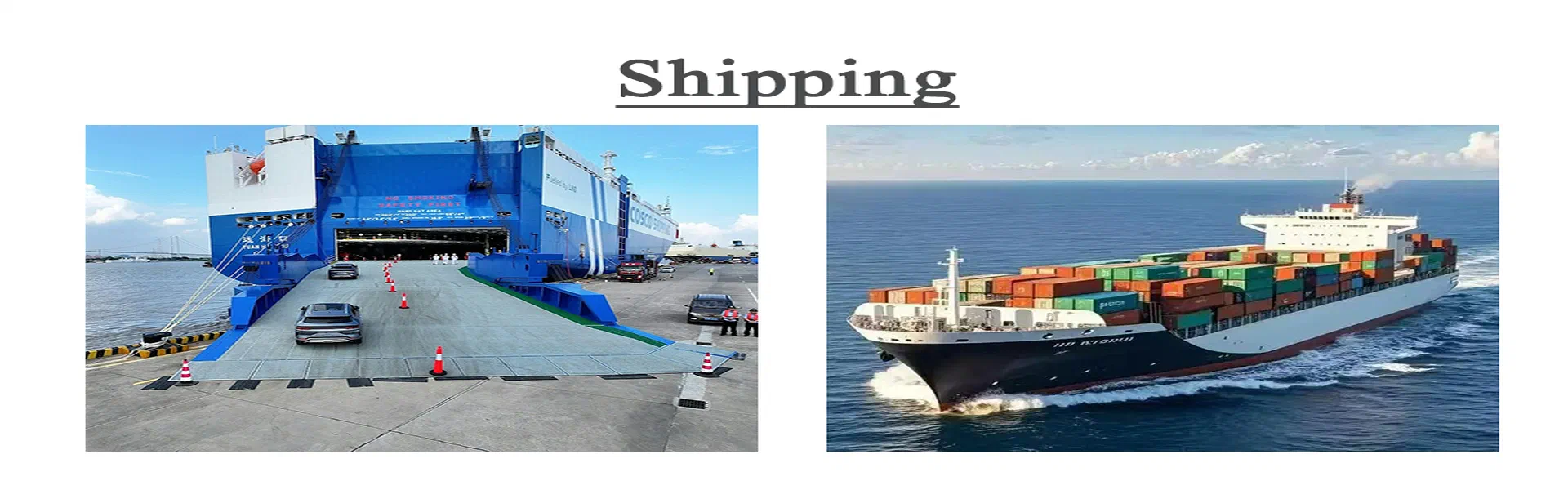
The shipping method affects freight cost, loading restrictions and exposure to handling risks. Roll-on/roll-off (RoRo) shipping allows operable vehicles to be driven onto and off the vessel. It is often a practical option for standard electric SUVs, although sailing availability, port handling arrangements and carrier acceptance policies must be confirmed. Vehicles travel in designated vessel decks, where movement and handling create some exposure to minor damage. Container shipping provides a different arrangement. An SUV is secured inside a container, offering protection from some external handling and weather exposure. However, loading requires suitable equipment, securing materials and sufficient internal clearance. Vehicle dimensions, battery condition, loading access and dangerous goods requirements all affect acceptance. Container freight may also involve additional handling and preparation costs. Freight quotations depend on the departure port, destination port, vehicle dimensions, shipping method, seasonal vessel capacity, transshipment and applicable port charges. Transit to West African ports such as Tema in Ghana or Lagos in Nigeria varies according to the sailing route and schedule. Buyers should distinguish ocean transit time from the complete process, which includes export preparation, customs procedures and destination clearance. Marine insurance should be discussed before loading. Confirm whether the policy covers the vehicle’s full declared value, loading and unloading, transit damage and exclusions relating to battery incidents.
Lithium battery transport requires particular attention. A vehicle powered by a lithium-ion battery must be classified correctly under the applicable dangerous goods rules. UN 3480 generally covers standalone lithium-ion batteries, while UN 3481 covers batteries contained in or packed with equipment. Lithium-ion battery-powered vehicles may fall under UN 3556. The applicable classification, documentation, battery condition and state-of-charge requirements must be confirmed with the carrier and qualified dangerous goods forwarder. A damaged or defective battery can face additional restrictions or refusal of carriage. Export preparation should include a pre-shipment inspection, VIN verification, battery diagnostic records, export licensing, customs declaration and the required shipping documentation. The bill of lading is essential evidence of the ocean carriage contract and shipment details. At destination, the consignee or appointed clearing agent uses the shipping documents to arrange customs entry, settle applicable duties and charges, complete required inspections and collect the vehicle. Import requirements differ across the five target markets. Vehicle age restrictions, emissions rules, left-hand-drive acceptance and roadworthiness requirements must be checked against current local regulations before purchase. Most Chinese domestic vehicles are left-hand drive, so buyers should verify acceptance in their destination market rather than assume suitability.
FAQ
Q: How can a buyer verify the battery condition before shipping a used electric SUV?
A: Request a vehicle-specific battery diagnostic report showing SOH, usable capacity, cell balance and fault codes. Match the report’s VIN to the vehicle and arrange an independent inspection where possible.
Q: Is RoRo or container shipping better for used electric SUVs?
A: RoRo can be economical for operable vehicles accepted by the carrier. Containers offer additional physical protection but require suitable loading arrangements and compliance with battery transport requirements.
Q: What documents are needed to ship a used electric SUV from China to West Africa?
A: Typical documents include the export licence, commercial invoice, vehicle ownership or export documentation, customs declaration, inspection records and bill of lading. Additional dangerous goods documents may be required depending on the vehicle and carrier’s classification requirements.