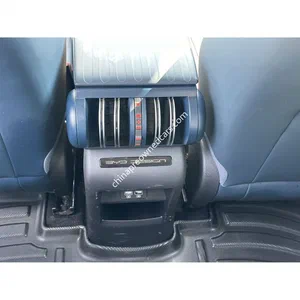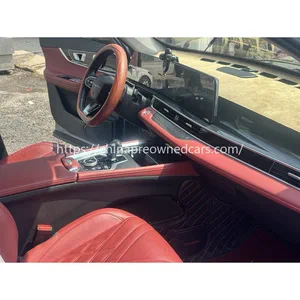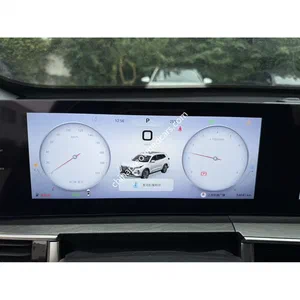
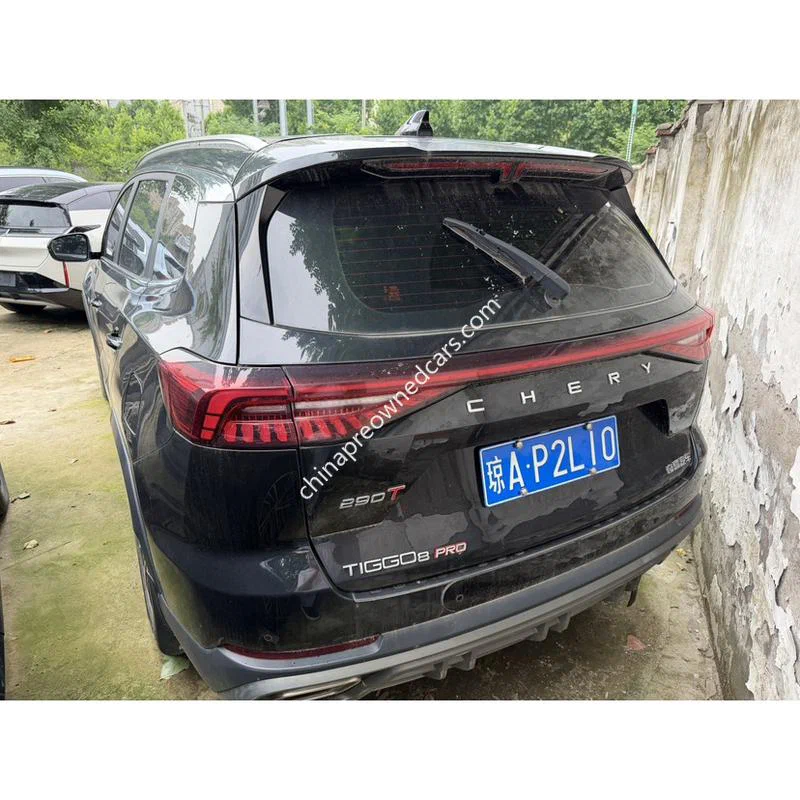
“Good condition” for a second-hand car typically means that the vehicle is mechanically sound and has been well-maintained, showing minimal wear and tear. Buyers should expect reliable performance, clean interior and exterior, and a history of regular servicing.
When considering a good condition second hand car, it is essential to evaluate specific features and specifications. This includes checking the vehicle’s mileage, service history, and any signs of damage or repairs. For Chinese-brand SUVs like the BYD Atto 3, Chery Tiggo 7 Plus, and Haval H6, potential buyers should also inspect the battery health for electric and hybrid models, as this can significantly impact performance and resale value.
Exporting vehicles involves several logistical steps, including pre-shipment inspection and customs clearance. A thorough inspection checks for compliance with regulations in the destination market, ensuring that vehicles meet emission standards and other import regulations. Export documentation is crucial, as it includes the bill of lading, which serves as a receipt for the goods, and outlines the shipping method.

Shipping options can significantly influence cost and risk. Vehicles can be shipped using Roll-on/Roll-off (RoRo) or container shipping methods. RoRo shipping is often more economical but may pose a higher risk of damage due to exposure during transit. Container shipping, while typically more expensive, offers better protection from the elements. Buyers should consider these factors based on their budget and the vehicle’s condition.
Freight rates depend on various factors, including the shipping method, destination port, and current market conditions. Transit times to West African ports, such as those in Ghana and Nigeria, can vary, but typically range from 15 to 25 days. Buyers should factor in marine insurance, which provides coverage against potential losses during transit, ensuring peace of mind until the vehicle arrives.
At the destination port, customs clearance procedures will be in effect. It is crucial for buyers to understand local regulations, including any duties or taxes applicable to their imported vehicle. Ensuring compliance with these regulations is essential to avoid delays and additional costs. After securing the vehicle, buyers should also consider after-sales support options, including warranty coverage and service availability.
FAQ
Q: What should I check before purchasing a used car?
A: Buyers should verify the vehicle’s service history, inspect for damages, and assess battery health for electric models.
Q: What shipping method is better for used cars?
A: Container shipping offers better protection from damage, while RoRo shipping is generally more affordable.
Q: How long does shipping to West Africa typically take?
A: Transit times usually range from 15 to 25 days, depending on the shipping method and destination port.