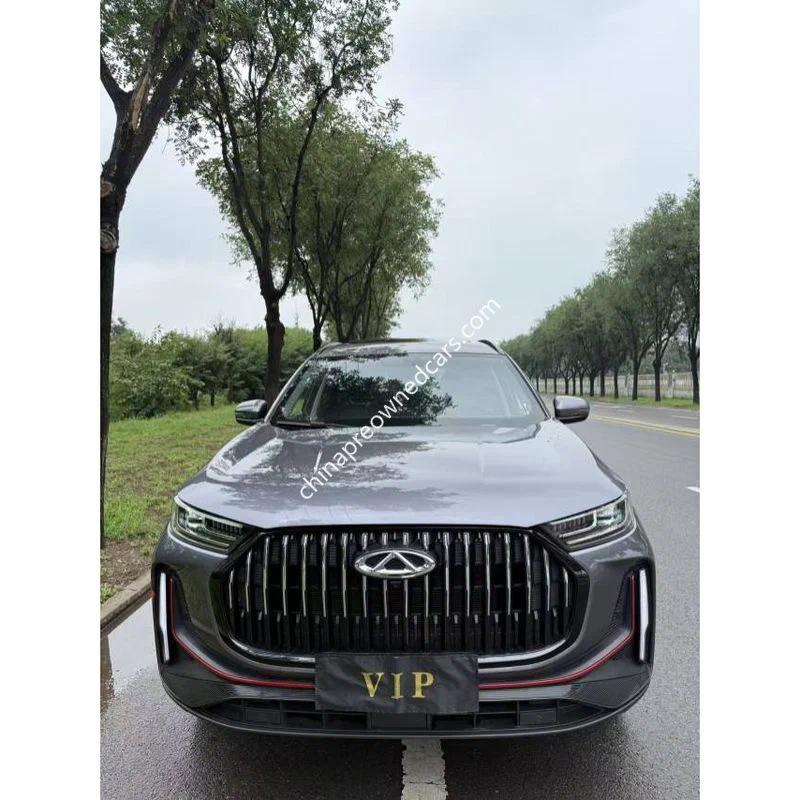
The Chery Tiggo 8 Pro is a midsize family SUV whose suitability for export depends on more than passenger space and equipment. For buyers importing used vehicles from China to West Africa, the powertrain, steering configuration, mechanical condition and shipping method all affect the final purchasing decision. These factors should be assessed together before a vehicle is booked for export.
Chery Tiggo 8 Pro: Powertrain, Configuration and Export Suitability

The Tiggo 8 Pro is offered in different configurations depending on model year and original sales market. Petrol turbocharged engines are common, with engine displacement, transmission and drivetrain varying across versions. Front-wheel drive is available, while certain configurations offer all-wheel drive. Buyers should obtain the original vehicle specification and verify the actual engine and transmission rather than relying on a model name alone. Fuel consumption also depends on engine size, transmission, driving conditions and maintenance history. For family use, the balance between engine performance and running costs matters more than the advertised power figure. A buyer planning regular highway journeys should check transmission response, cooling performance and engine operation under load. These details are particularly relevant when the vehicle will be used in regions with high ambient temperatures and varying road conditions.
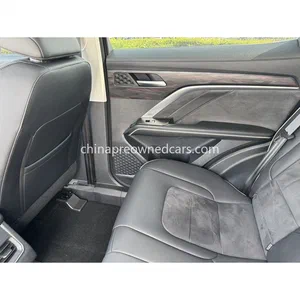
Passenger capacity and cabin layout are important reasons to consider the Tiggo 8 Pro. Its three-row configuration provides greater flexibility for family transport than smaller SUVs such as the Geely Coolray or BYD Atto 3. The second and third rows should be inspected individually, including seat adjustment, folding mechanisms, seat belts and ventilation. Boot capacity also changes depending on how many seats are occupied. Buyers should therefore assess the vehicle in the seating configuration they expect to use. Ground clearance, suspension condition and tyre specifications deserve equal attention. Potholes, uneven road surfaces and frequent speed bumps can expose worn suspension components quickly. A road test should cover low-speed manoeuvres, braking, steering response and acceleration. The Tiggo 8 Pro is a family-oriented SUV, but its suitability for demanding road conditions depends on the actual condition of each unit.
Steering configuration requires particular attention for West African buyers. China primarily supplies left-hand-drive vehicles, while Ghana, Nigeria, Kenya, Uganda and Tanzania follow left-side traffic systems, where right-hand-drive vehicles are generally the standard. This does not mean every left-hand-drive vehicle is automatically eligible for import or registration. Local restrictions can differ, and buyers must establish whether a particular LHD vehicle can legally enter, clear customs and obtain road registration in the intended destination. The same principle applies to emission standards. Engine type, model year and applicable emissions documentation may affect eligibility. A buyer should confirm current requirements with the destination country’s customs authority or a qualified clearing agent before paying a deposit. Import approval should come before vehicle selection is finalised, not after the SUV has arrived at the port.
Used Vehicle Inspection and Shipping to West Africa
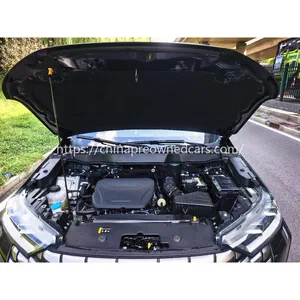
Condition grading provides a useful starting point when comparing pre-owned Tiggo 8 Pro units. However, a grade is not a substitute for an inspection report. A typical assessment considers exterior paintwork, body-panel alignment, accident repairs, interior wear, mechanical performance, tyres and electronic systems. Buyers should request photographs of the engine compartment, underbody, dashboard, seats and all exterior panels. The VIN should match the vehicle documents and inspection records. Mileage should be checked against available service records and electronic diagnostic information where possible. Particular attention should be paid to turbocharger operation, oil leaks, transmission behaviour, cooling-system performance and suspension noise. Air conditioning should also be tested under sustained operation. A vehicle with cosmetic wear may remain a reasonable purchase, but evidence of structural damage, flood exposure or poorly repaired accident damage requires closer examination. The final grade should clearly distinguish cosmetic defects from mechanical or safety-related concerns.
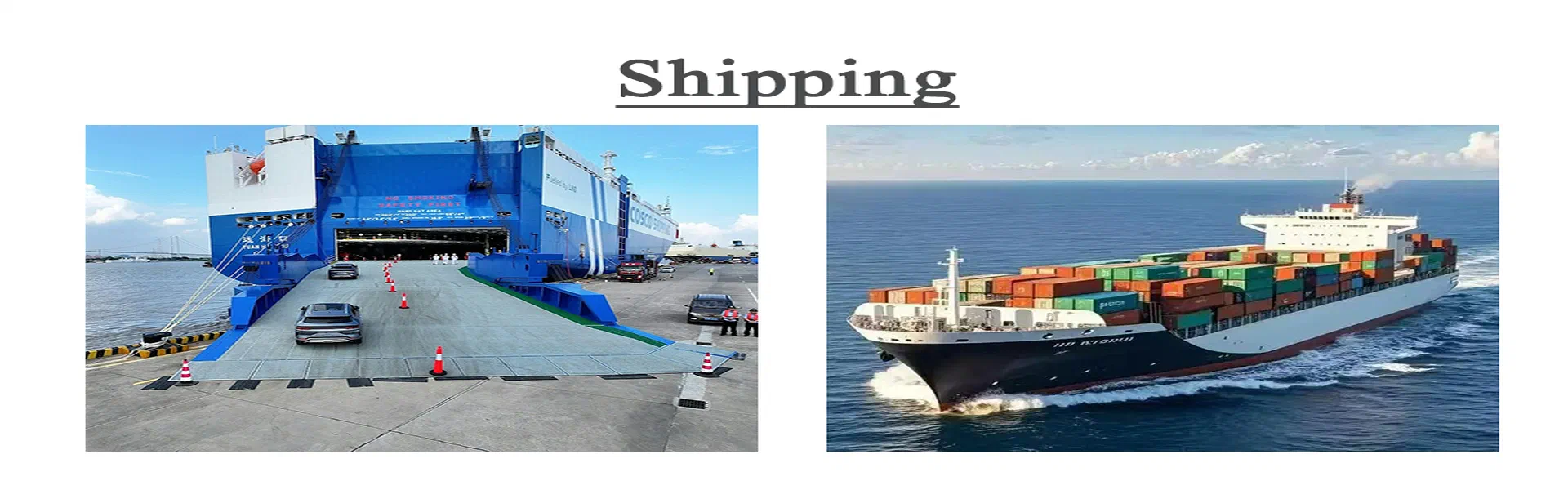
Shipping arrangements have a direct effect on the landed condition and total import cost. RoRo, or roll-on/roll-off shipping, involves driving the vehicle onto a specialised vessel and securing it in a designated vehicle deck. It is often economical for standard roadworthy SUVs, with fewer individual loading operations than container transport. However, vehicles share vessel space and remain subject to port handling and movement during the voyage. Personal belongings and loose accessories are generally restricted. Container shipping places the SUV inside a shipping container, providing greater separation from other cargo and reducing exposure to external handling. It can be preferable for higher-value vehicles or shipments requiring additional cargo protection. The trade-off is a higher handling and freight cost, together with loading, securing and unloading requirements. Container dimensions, vehicle height and width, securing points and loading equipment must all be checked before booking. Poorly secured cargo can still sustain damage inside a container.
Freight quotations for China-to-West-Africa shipments depend on several variables. These include the Chinese departure port, destination port, shipping method, vessel availability, seasonal demand, vehicle dimensions and carrier charges. RoRo rates are generally calculated differently from container rates, and the cheapest initial quotation does not necessarily represent the lowest total shipping cost. Buyers should establish which charges are included, including origin handling, export documentation, port fees, terminal handling and destination charges. Marine insurance should be considered separately. Its coverage, exclusions, insured value and claims procedure should be confirmed in writing before shipment. Transit schedules to West African ports vary according to the departure port, vessel route, transshipment arrangements and shipping line. Allowance should be made for possible schedule changes. The exporter should provide the expected sailing window and explain whether the quoted transit period refers to port-to-port sailing or the wider export process.
Once the vehicle is cleared for shipment, export documentation becomes central to the transaction. China’s used vehicle export process requires the appropriate export licensing, customs declaration and pre-shipment inspection. The exporter should coordinate these requirements and confirm that the vehicle identification details match across the relevant documents. After loading, the shipping line issues a bill of lading, which records the shipment and identifies the parties, vessel and cargo details. Buyers should check the consignee information, destination port, vehicle description and shipping terms carefully. At the destination port, the clearing agent uses the shipping documents and supporting import paperwork to arrange customs processing, applicable duties and taxes, inspection where required, and release of the vehicle. Port storage and demurrage charges may arise if documents are delayed or clearance is not completed within the permitted period. Before making the final payment, buyers should understand the agreed payment milestones, document-release arrangements and responsibility for destination charges. A prediction for used car prices may help with broader purchasing plans, but the landed cost calculation should use actual vehicle, freight, insurance and clearance quotations.
FAQ
Q: Is the Chery Tiggo 8 Pro suitable for family buyers in West Africa?
A: Its three-row seating and SUV layout make it a practical candidate for family transport. However, buyers should verify steering-side eligibility, mechanical condition, spare-parts access and local service support before importing.
Q: Is RoRo or container shipping better for exporting a used Chery Tiggo 8 Pro?
A: RoRo is often the more economical option for standard roadworthy vehicles, while container shipping offers greater separation from other cargo and more control over loading. The appropriate choice depends on freight quotations, vehicle condition, insurance coverage and loading constraints.