
Assessing the condition of used vehicles is critical for exporters to ensure quality and compliance with market standards. Various grading systems exist, typically focusing on cosmetic condition, mechanical health, mileage bands, and service history. Buyers should understand these factors to make informed purchasing decisions and avoid costly mistakes. Inspection processes are essential, but they only provide a snapshot of a vehicle’s current state, requiring buyers to verify claims before finalizing any transactions.
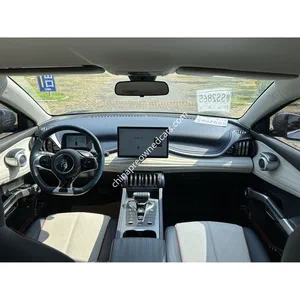
Condition grading often categorizes vehicles into different levels, such as “export-grade” or “dealer-grade.” Export-grade vehicles usually meet certain mechanical and cosmetic standards, making them suitable for international markets. Buyers should look for a detailed inspection report that outlines the vehicle’s history, including any previous accidents or repairs. However, an inspection does not guarantee that every issue will be identified, so it’s advisable for buyers to conduct a thorough personal assessment when possible. Red flags might include rust, significant body damage, or irregularities in the vehicle’s service history.

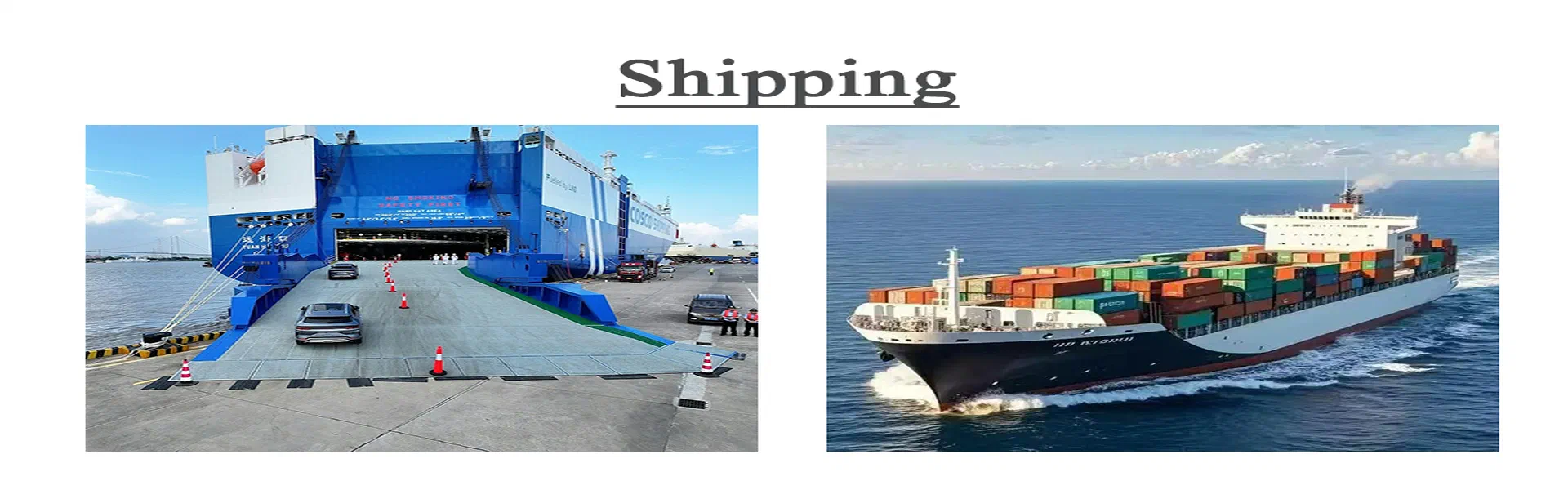
When shipping vehicles, logistics are a fundamental consideration. There are two primary methods for transporting vehicles: RoRo (Roll-on/Roll-off) and container shipping. RoRo is generally more cost-effective, allowing vehicles to be driven onto the vessel. However, it carries a higher risk of damage due to exposure and the loading/unloading process. Container shipping, while more expensive, offers greater protection from the elements and potential mishandling. Transit times to West African ports typically range from 15 to 25 days, depending on various factors, including the shipping line and route.
Documentation is another critical aspect of the export process. Proper export documentation must accompany each vehicle, including the bill of lading, customs clearance paperwork, and any necessary inspection certificates. Understanding the specific requirements for destination countries like Ghana, Nigeria, Kenya, and Uganda is essential, as each nation has different regulations regarding vehicle age, emission standards, and drive-side configurations. Most vehicles in the inventory are left-hand drive, which may limit options for purely right-hand drive markets.
Before making a purchase, buyers should confirm the vehicle’s condition and assess its suitability for their market. Payment terms can vary but usually require an upfront deposit followed by the balance upon documentation approval. After-sales support is also an important consideration, ensuring that buyers have access to assistance if issues arise after the vehicle has been delivered.
FAQ
Q: What should I check before purchasing a used vehicle for export?
A: Assess the vehicle’s inspection report, service history, and look for any signs of damage or wear.
Q: How long does shipping typically take to West African ports?
A: Shipping usually takes between 15 to 25 days, depending on the shipping method and route.
Q: What documentation is necessary for exporting a used vehicle?
A: Key documents include a bill of lading, customs clearance paperwork, and inspection certificates.