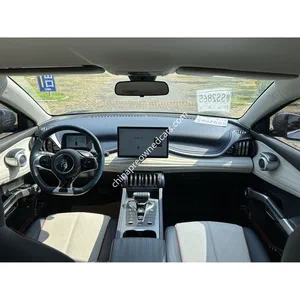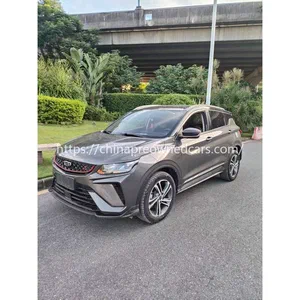
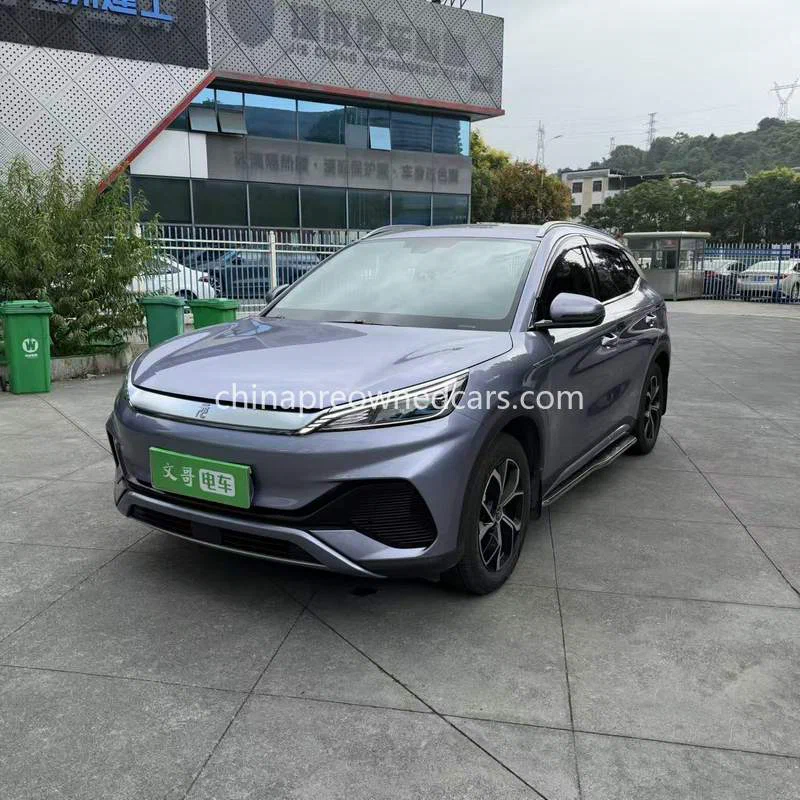
Evaluating the condition of used vehicles is critical in the used cars for sale marketplace, where buyers seek reliable options. This assessment involves examining various factors such as cosmetic condition, mechanical health, mileage, and service history. Understanding how vehicles are graded can help buyers make informed decisions when sourcing pre-owned vehicles for export, especially from China.
Vehicle condition grading typically ranges from “excellent” to “poor.” An “export-grade” vehicle is generally expected to meet specific standards for overseas markets, ensuring that it is in sound mechanical condition and has acceptable cosmetic appearance. Buyers should inquire about the vehicle’s mileage and service history. Verifying these details can help establish the vehicle’s reliability and potential maintenance needs. Additionally, some exporters provide detailed inspection reports, which outline the vehicle’s condition, including any repairs or issues identified.

Pre-shipment inspections are crucial in the export process. These inspections typically cover mechanical and safety checks but may not include an exhaustive evaluation of every detail. Buyers should confirm that the inspection is thorough and ask for documentation. It is essential to understand that not all inspection reports guarantee the vehicle’s future performance or condition; thus, buyers should remain vigilant and consider conducting their own inspections where possible.
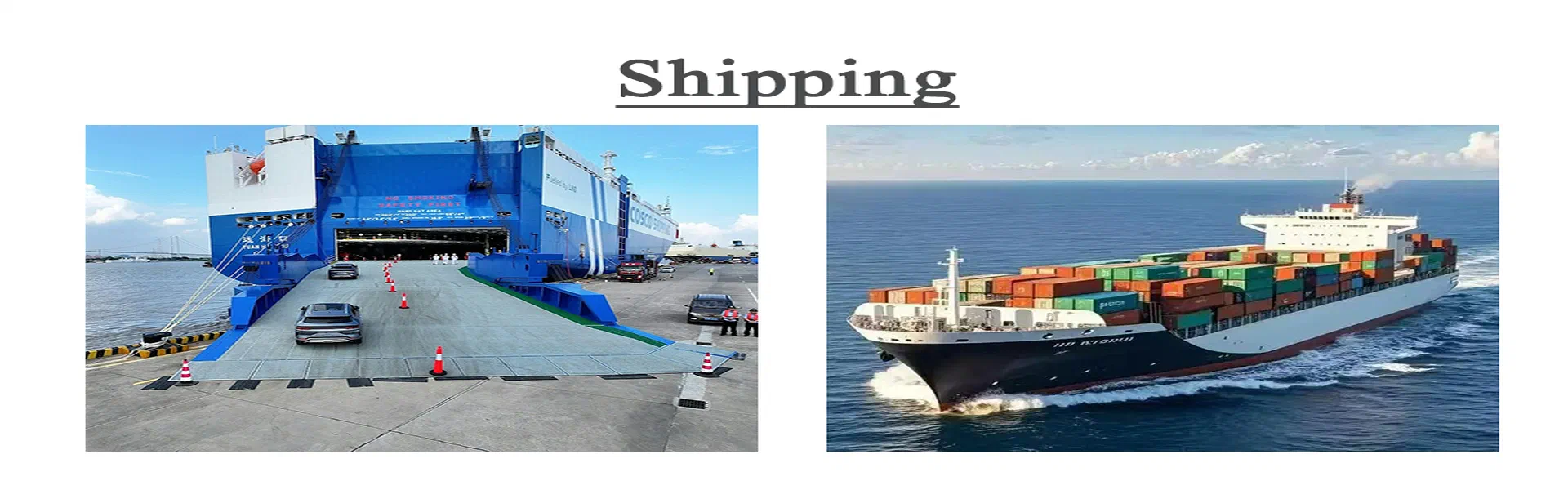
When assessing a vehicle’s quality, certain red flags should be monitored. Signs of previous accidents, extensive rust, or inconsistent service records may indicate potential issues. Buyers should also verify the vehicle identification number (VIN) against service records to ensure accuracy. In addition to vehicle condition, understanding the export logistics is vital, particularly the choice between RoRo (Roll-on/Roll-off) and container shipping.
RoRo shipping is often more cost-effective and simpler, as vehicles are driven onto the vessel for transport. However, this method may expose vehicles to potential damage from the elements during transit. In contrast, container shipping provides better protection but may come with higher costs and loading constraints. Buyers should consider freight rate factors such as shipping distance, vehicle size, and market conditions when evaluating shipping options.
Once the vehicle reaches the destination port, customs clearance will involve submitting required documentation, including the bill of lading and export license. Buyers should ensure all necessary paperwork is prepared in advance to avoid delays. Understanding the local import regulations, which can vary significantly by country, is also essential for a smooth import process.
FAQ
Q: What should I check before purchasing a used vehicle?
A: Buyers should verify the vehicle’s service history, inspect for signs of damage, and confirm the mileage and condition through inspection reports.
Q: How does shipping logistics affect the purchase of used vehicles?
A: Shipping logistics impacts costs and vehicle condition upon arrival. Choosing between RoRo and container shipping involves trade-offs in cost, protection, and loading ease.