The Chery Tiggo 8 Pro is a mid-size SUV worth evaluating for family vehicle import orders to West Africa, particularly where cabin space and petrol power are priorities. For export buyers in Ghana, Nigeria, Kenya, Uganda and Tanzania, the vehicle’s mechanical configuration, left-hand-drive layout and shipping requirements all deserve attention before a purchase is confirmed. The choice of shipping method also affects the landed condition and total import cost.
Powertrain, configuration and export suitability

The Tiggo 8 Pro is offered in different engine and transmission configurations, depending on production year and market specification. Petrol versions commonly use turbocharged engines paired with automatic transmissions, including dual-clutch systems on certain trims. Buyers should establish whether a particular vehicle has the 1.6-litre turbocharged or 2.0-litre turbocharged engine rather than relying on the model name alone. Engine output, transmission type and fuel consumption can differ between versions. The standard petrol model should not be confused with a plug-in hybrid or another electrified derivative. For buyers comparing options through a used cars search, the original factory specification and vehicle identification number provide a more dependable starting point than general model descriptions.
Fuel consumption is another practical consideration. Actual economy depends on engine size, transmission calibration, vehicle condition, driving habits and road conditions. A turbocharged petrol engine may offer useful performance when carrying several passengers and luggage, but it can require more attention to maintenance than a simpler naturally aspirated engine. Buyers should request the manufacturer’s fuel consumption figures for the exact trim and compare them with the vehicle’s service history. Front-wheel drive is common in Tiggo 8 Pro configurations, although the drivetrain should be confirmed for each unit. Four-wheel-drive capability should never be assumed from the SUV body style. Emission compliance also requires separate verification because the applicable standard depends on the production specification and destination country’s current import rules.
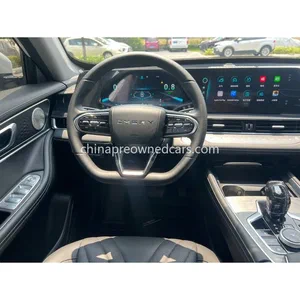
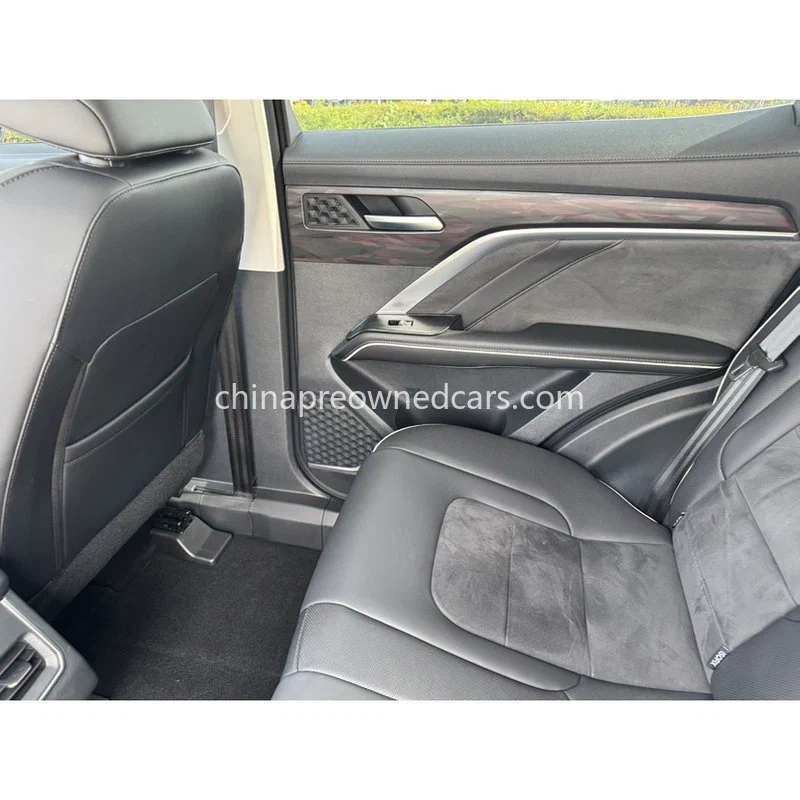
The cabin is one of the model’s main practical considerations for family buyers. Three-row seating provides flexibility for larger households, while the rear luggage area changes considerably depending on whether the third row is in use. Buyers should check all seating positions, seatbelt mechanisms, air-conditioning performance and electronic controls during inspection. A vehicle intended for regular family transport needs functioning rear ventilation and adequate cooling, particularly in hot conditions across West Africa. Ground clearance, tyre condition and suspension response also deserve attention where roads include uneven surfaces and potholes. The Tiggo 8 Pro is a road-oriented family SUV, not a dedicated off-road vehicle. Its suitability therefore depends on the actual routes and expected passenger load.
Used vehicle grading and pre-shipment checks
Used Tiggo 8 Pro units should be assessed individually rather than assigned a condition based on model reputation. A practical grading process separates exterior condition, interior wear, mechanical performance and accident history. Cosmetic scratches, paint deterioration and minor cabin wear should be recorded separately from structural damage or mechanical faults. The inspection should include the chassis, underbody, suspension joints, engine compartment, transmission operation and cooling system. Diagnostic equipment can identify stored fault codes, but a clean scan alone does not establish that a vehicle is mechanically sound. Buyers should also request mileage records, available maintenance invoices and evidence of previous repairs. Where possible, an independent inspection and road test should take place before the final payment is released.
The Tiggo 8 Pro’s electronics require particular attention. Its infotainment display, parking sensors, cameras, driver assistance features and instrument cluster should be tested individually. Air-conditioning should be operated long enough to assess cooling performance, and the automatic transmission should be checked for abnormal hesitation or shifting behaviour. Tyres should be inspected for uneven wear, which can indicate alignment or suspension problems. For vehicles fitted with advanced safety systems, warning lights and sensor operation should be checked after any previous body repair. Buyers should receive photographs and an inspection report identifying existing defects rather than relying on a general description such as excellent condition. VIN verification is also important for matching the vehicle to its registration and available history records.
Shipping the Tiggo 8 Pro to West Africa
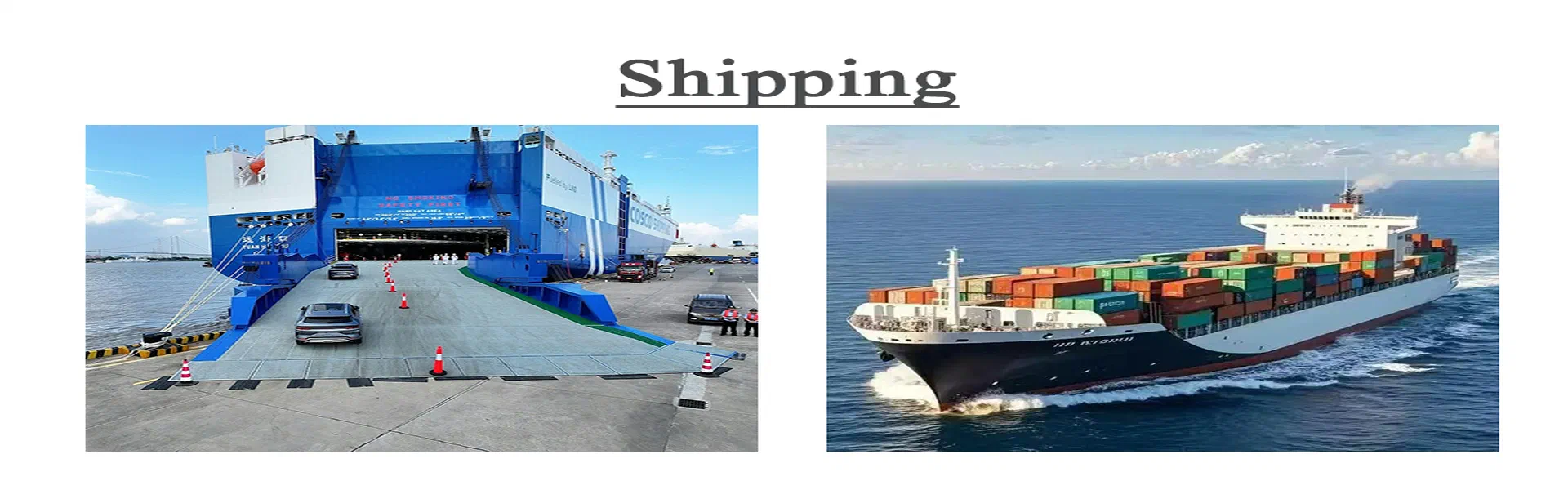
Once the vehicle passes inspection and the export documentation is prepared, the shipping method becomes a major cost consideration. RoRo shipping places the vehicle on a specialised vessel, where it is driven on and off through the vessel’s ramps. This option can be economical for vehicles that meet the carrier’s acceptance requirements. It also reduces the handling associated with loading and unloading a container. However, the vehicle remains exposed to the shared vessel environment, and personal belongings or loose accessories are generally restricted. Container shipping places the SUV inside a secured shipping container, offering greater protection from weather and external handling. It may also suit buyers shipping several vehicles together, although loading, securing and unloading require additional work.
Container selection must account for the Tiggo 8 Pro’s dimensions, weight and loading access. Its three-row SUV body can make container loading more restrictive than loading a smaller vehicle. Door clearance, internal container dimensions and the space needed for securing equipment must be checked before booking. A standard container should not be assumed suitable without confirmation from the freight forwarder. Freight rates depend on the departure port, destination port, vessel availability, shipping method, seasonal demand and applicable port charges. Additional costs may include export handling, documentation, inspection, container loading, terminal fees and marine insurance. A useful quotation separates ocean freight from origin and destination charges so that buyers can calculate the likely landed cost.
Transit planning requires attention to the actual sailing route. Shipments from China to Ghana generally move towards Tema Port, while Nigerian imports commonly discharge at Lagos-area ports, including Apapa or Tin Can Island, depending on the carrier and booking. Vessel schedules, transshipment arrangements and port congestion affect the total journey. A typical sea passage may take several weeks, but the complete shipping process can take longer when documentation, vessel connections or destination clearance are delayed. Buyers should obtain an estimated departure window and transit schedule in writing rather than treating a quoted sailing duration as a guaranteed arrival date. Marine insurance should cover the agreed transport risks, with the insured value, exclusions and claims procedure reviewed before shipment.
Before departure, the exporter must arrange the required Chinese export licensing, customs declaration and pre-shipment inspection. The vehicle’s commercial invoice, export documents, inspection records and shipping instructions should be checked for consistent VIN and vehicle details. After loading, the carrier issues a bill of lading, which records the shipment and identifies the parties involved. The buyer should confirm whether the original bill of lading, a surrendered release or another accepted release arrangement applies. At the destination port, the consignee or appointed clearing agent uses the shipping documents to arrange cargo release, settle applicable charges and complete local customs procedures. Import duties, taxes, vehicle-age restrictions, emission requirements and roadworthiness rules vary by country and must be confirmed before purchase. Ghana and Nigeria buyers should also verify left-hand-drive acceptance and the current vehicle import regulations applicable to their particular shipment.
FAQ
Q: Is the Chery Tiggo 8 Pro suitable for family buyers in Ghana and Nigeria?
A: Its three-row seating, petrol powertrain and family-oriented cabin make it a practical candidate. Buyers should assess local service support, parts availability and the condition of the individual vehicle before ordering.
Q: Is RoRo or container shipping better for exporting a Tiggo 8 Pro?
A: RoRo can reduce freight and handling costs, while container shipping offers greater protection from external exposure. The better option depends on the freight quotation, vehicle dimensions, carrier restrictions and buyer’s protection requirements.
Q: What documents are needed to import a used Tiggo 8 Pro from China?
A: Typical documents include the commercial invoice, export documentation, pre-shipment inspection records and bill of lading. Destination-specific customs paperwork, import eligibility and tax requirements should be confirmed with a local clearing agent before shipment.