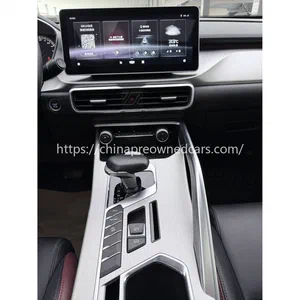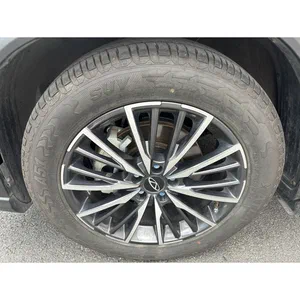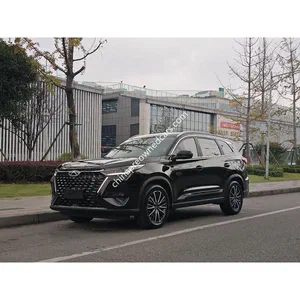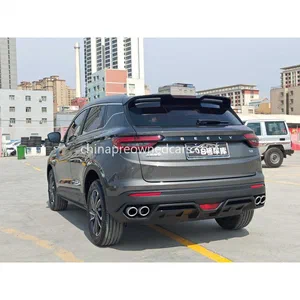
The Haval H6 is a notable contender among low cost used cars, particularly for export to markets in Africa. This SUV features a 2.0-liter turbocharged engine that delivers adequate power while maintaining decent fuel efficiency, making it suitable for both urban and rural driving conditions. The H6 typically comes with a choice of front-wheel or all-wheel drive, offering versatility based on buyer preference. Its emissions standards generally align with those required in many African countries, but potential buyers should confirm specific regulations in their destination market.
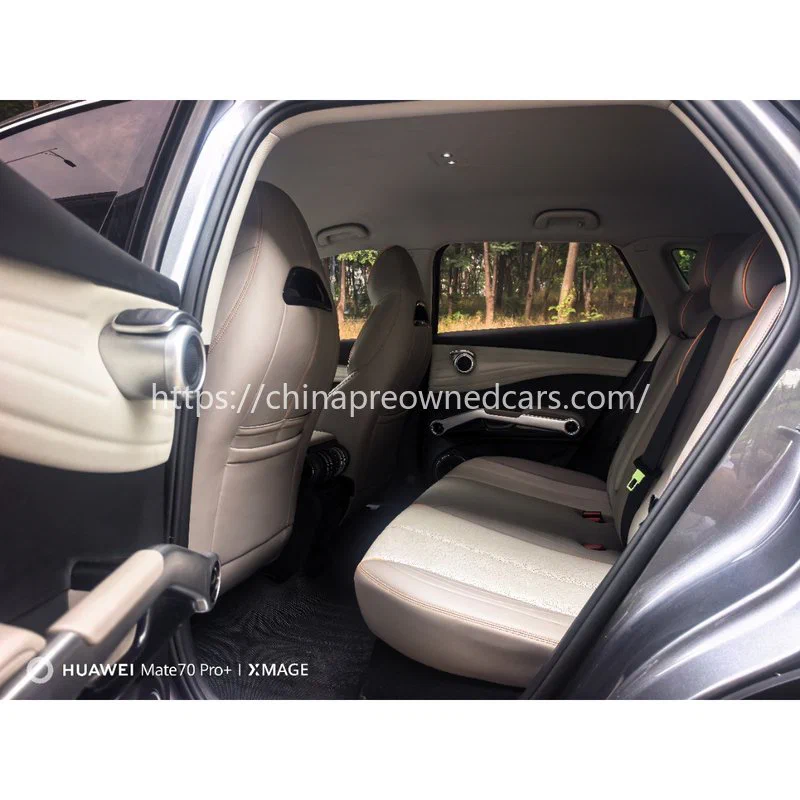
Condition grading is crucial when assessing pre-owned Haval H6 units. Most vehicles available for export are usually classified as Grade B or C, indicating they are in fair to good condition with some signs of wear. Buyers should closely inspect the vehicle’s exterior and interior, verify mileage, and consider obtaining a pre-purchase inspection to ensure the vehicle meets their expectations. Additionally, checking for a valid service history can provide insight into the vehicle’s maintenance and performance.
The Haval H6 is practical for the African market due to its robust parts availability and established service network. Many regions in Africa have access to spare parts, which is essential for maintaining the vehicle over time. The vehicle’s design is well-suited for varying road conditions, including those that may be less developed. Its ground clearance and suspension system are beneficial for tackling rough terrain, which is common in many areas.

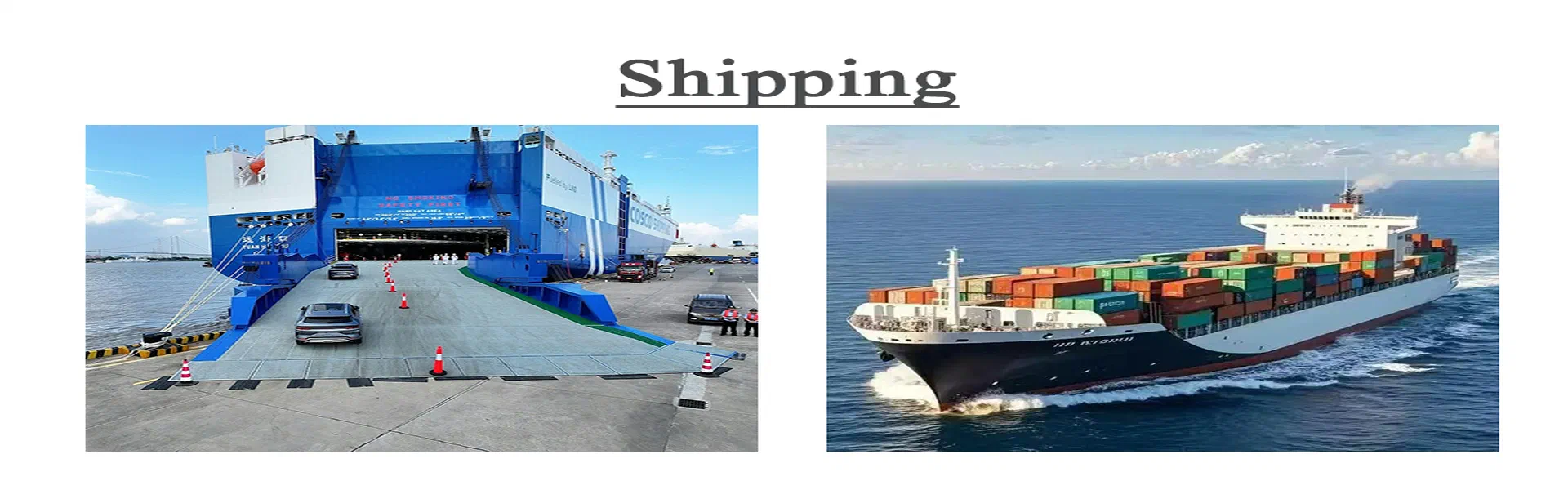
Export logistics for the Haval H6 involve several key considerations. Vehicles can be shipped using either Roll-on/Roll-off (RoRo) or container methods. RoRo shipping is often more cost-effective, allowing for quick loading and unloading, but it does come with a higher risk of exposure to damage during transit. Container shipping is safer but typically incurs higher costs and longer lead times. Freight rates can fluctuate based on market conditions, vehicle size, and shipping routes. Buyers should account for marine insurance and ensure they have the necessary documentation, such as a bill of lading, to facilitate customs clearance at the destination port.
Buyers interested in importing the Haval H6 should be aware of market-specific requirements, including left-hand drive configurations, which most of the inventory supports. They should also verify any age limits and emission standards applicable in their country. It is recommended to consult with local authorities or import experts to ensure compliance with current regulations, as these can change frequently.
FAQ
Q: What should I check before purchasing a used Haval H6?
A: It’s important to inspect the vehicle’s condition, verify mileage, review the service history, and consider a pre-purchase inspection.
Q: How long does shipping typically take for vehicles to African ports?
A: Shipping lead times can vary but usually take between 15 to 25 days, depending on the shipping method and destination.