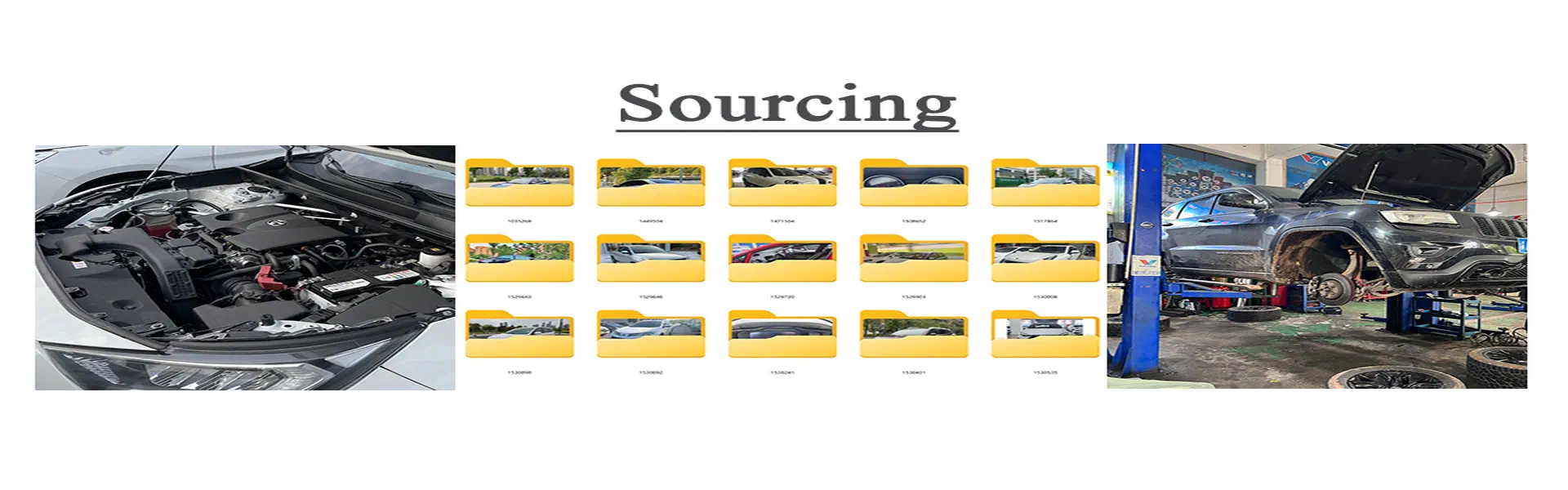
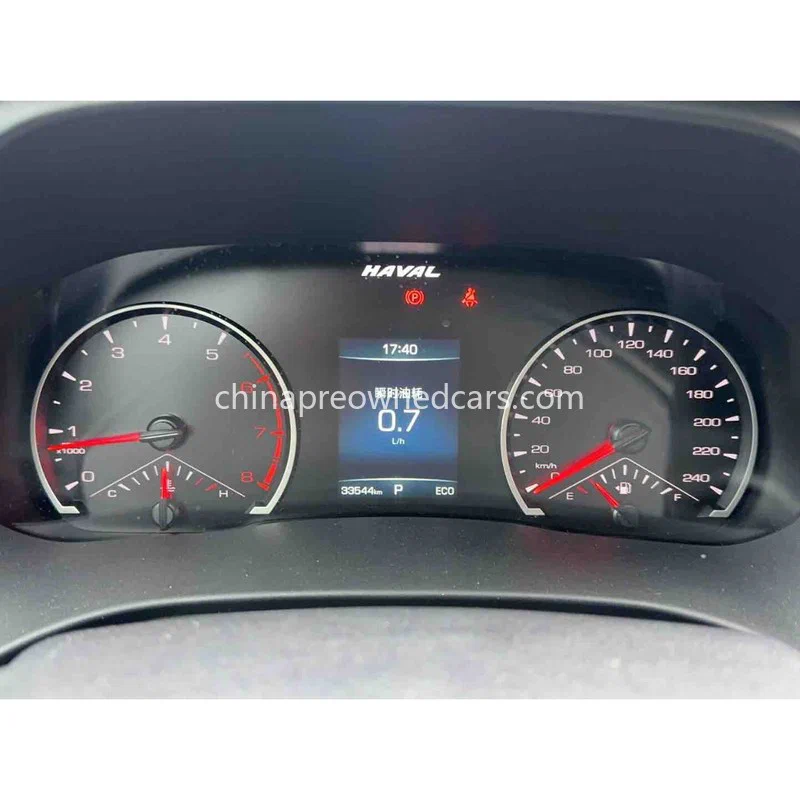
Assessing the condition of used vehicles is critical for buyers looking to source quality pre-owned cars, especially from international markets like Africa, the Middle East, and South America. This article examines key metrics to review when assessing vehicle quality, grading systems, and the inspection processes involved in purchasing used cars. Understanding these factors can help buyers make informed decisions, particularly when considering the cheapest used car to own.
Vehicle Condition Grading
Used vehicles typically undergo grading based on several criteria, including cosmetic condition, mechanical health, mileage, and service history. Cosmetic condition assesses the vehicle’s exterior and interior for signs of wear, scratches, or stains. Mechanical health evaluations involve a thorough inspection of the engine, transmission, brakes, and other vital systems. Mileage bands categorize vehicles based on their age and usage, while a complete service history can indicate how well a vehicle has been maintained. Buyers should look for vehicles graded as “export-grade” or “dealer-grade,” which often reflect higher standards of condition and reliability.
Inspection and Verification
The vehicle inspection process serves to validate claims made by sellers regarding the car’s condition. Inspections typically cover aspects such as engine performance, emissions compliance, and overall roadworthiness. However, it is essential to note that inspections might not cover every potential issue. Buyers are encouraged to request detailed inspection reports and verify the vehicle’s history through VIN verification. This process can uncover past accidents, title issues, or odometer discrepancies that may not be immediately apparent.
Red Flags to Watch For
When evaluating used vehicles, buyers should be aware of common red flags. Excessive rust, unusual wear patterns on tires, and fluid leaks can indicate underlying problems. A vehicle with a significantly low price compared to market value may also suggest hidden issues. Additionally, discrepancies in service history or missing documentation can be warning signs. Buyers should consider obtaining a pre-purchase inspection from a trusted professional to help identify any potential concerns before finalizing a purchase.
Export Procedures and Documentation
Once a vehicle has been selected, several export procedures must be followed. This includes securing an export license, completing customs clearance, and preparing necessary documentation. Buyers should familiarize themselves with the paperwork required for their specific destination, as regulations differ by country. For instance, some markets may impose emission standards or vehicle age limits that must be met. It’s advisable to consult with logistics providers experienced in vehicle exports to ensure compliance with all legal requirements.
Shipping Methods
Vehicles can be shipped using either Roll-on/Roll-off (RoRo) or container shipping methods. RoRo is often more cost-effective and faster, as vehicles are driven onto the ship and secured for transport. Container shipping, while typically more expensive, offers additional protection against damage during transit. Buyers should weigh the pros and cons of each method based on their budget and the level of protection desired for the vehicle.

Payment Terms and After-Sales Support
Understanding payment terms is crucial in the vehicle purchasing process. Buyers should clarify the accepted payment methods, deposit requirements, and any associated fees before committing to a purchase. After-sales support is another important consideration. Buyers should inquire about warranties, return policies, and availability of parts and maintenance services in their regions. This information can significantly impact long-term satisfaction with the vehicle.
Conclusion
Assessing the quality of used vehicles involves a thorough understanding of grading systems, inspection processes, and export logistics. By paying close attention to vehicle condition, verifying seller claims, and being aware of potential red flags, buyers can make more informed decisions. Following established procedures for export and shipping will also facilitate a smoother transaction, ensuring that the investment in a pre-owned vehicle is sound.
FAQ
Q: What should I check before purchasing a used vehicle?
A: Buyers should verify the vehicle’s history, mileage, condition grading, and service records.
Q: What are the common shipping methods for used vehicles?
A: The two primary shipping methods are Roll-on/Roll-off (RoRo) and container shipping, each with its advantages and cost considerations.