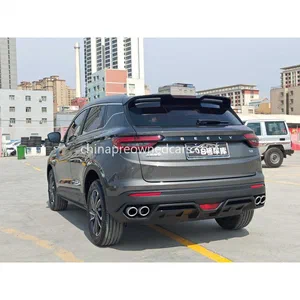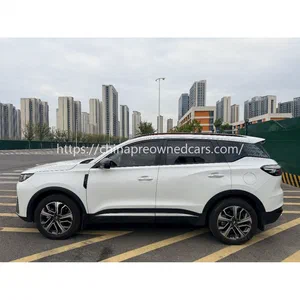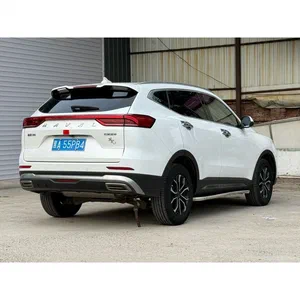
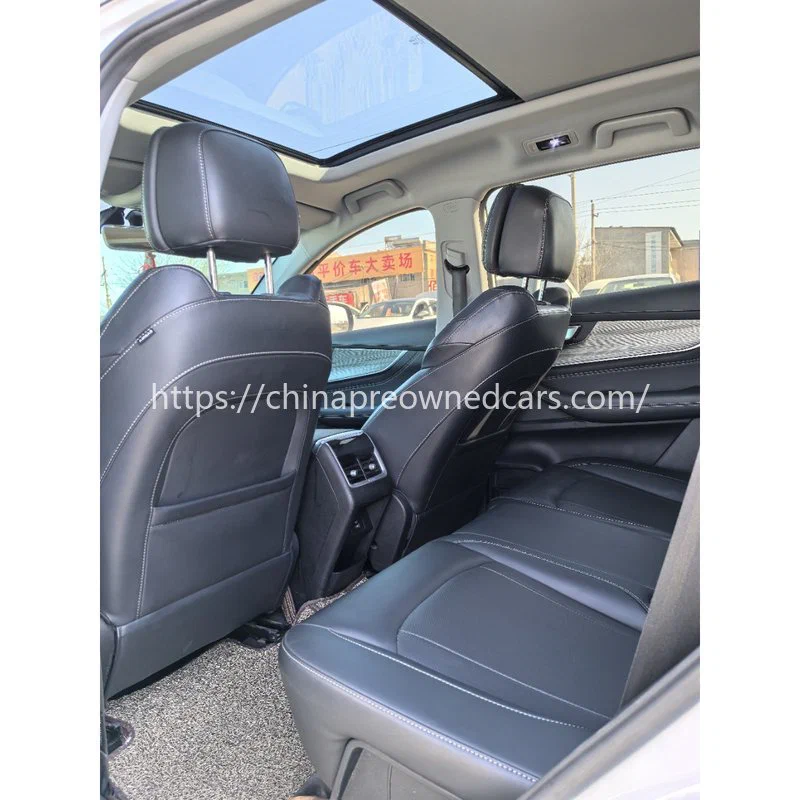
The BYD Atto 3 and Haval H6 are two prominent models in the electric and hybrid SUV segment, both appealing for their features and suitability for various export markets. This comparison will focus on key aspects that matter for buyers considering sourcing these vehicles from China, including powertrain specifications, range, emissions compatibility, and after-sales support.
The BYD Atto 3 is equipped with a 150 kW electric motor, delivering a range of approximately 400 kilometers on a single charge. It supports a charging standard that is widely compatible with most charging stations, making it suitable for markets with established charging infrastructure. Conversely, the Haval H6 offers a conventional petrol engine option, which may appeal to buyers in regions where electric vehicle infrastructure is less developed. The H6’s fuel efficiency is competitive, but potential buyers should assess their market’s preference for electric versus combustion engines.
When considering emissions standards, both vehicles cater to various international requirements, but the Atto 3 is particularly advantageous for markets prioritizing low emissions. Many African and Middle Eastern countries are increasingly adopting stricter emissions regulations, making the Atto 3 a better fit for these markets. However, Haval’s widespread parts availability and service network can be a deciding factor for buyers concerned about maintenance and repair support in less urbanized regions.
Buyers should also consider the left-hand drive orientation of most available units, including the Atto 3 and H6, which aligns with the driving conditions in target markets like Ghana and Nigeria. It’s vital to verify the specific importing regulations for each country. For instance, while many regions accept left-hand drive vehicles, some may impose restrictions based on vehicle age or emissions standards. Thorough research into these regulations is essential to avoid complications during the import process.
Before finalizing a purchase, buyers should conduct rigorous vehicle history checks, including inspections for battery health in electric models like the Atto 3. Payment terms vary, and understanding the logistics involved in customs clearance, whether through RoRo or container shipping, is crucial. Lead times can be typical, usually ranging from 15 to 25 days; however, confirming specifics with the exporter will ensure better planning for delivery.

FAQ
Q: What should I check before buying a used vehicle? A: Buyers should verify the vehicle history, condition, mileage, and ensure a pre-purchase inspection is conducted.
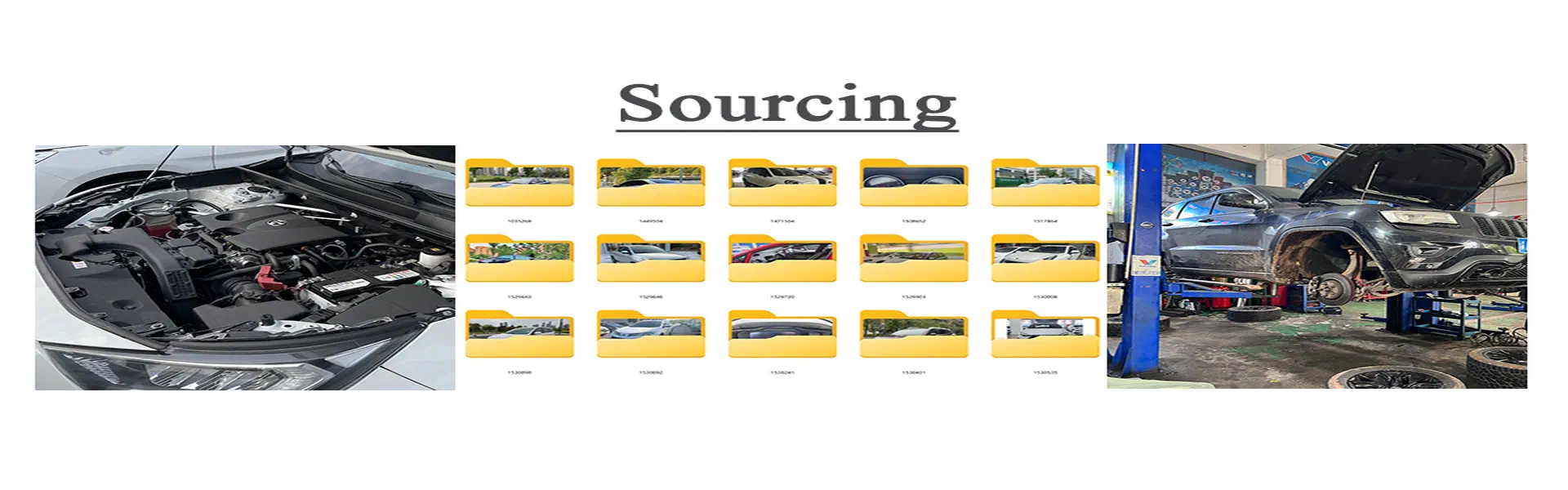
Q: How do I choose between dealer and auction sourcing? A: Dealer sourcing typically offers more reliability in vehicle condition, while auctions may provide better pricing but come with higher risks.
Q: What are typical payment terms for purchasing vehicles? A: Payment terms can vary, but most exporters require a deposit followed by full payment before shipping.